
GET A FREE CONSULTATION
(702) 680-1111

Founding Member & Managing Partner at Gina Corena & Associates
Practice Areas: Personal Injury

We trust doctors and hospitals to diagnose us correctly, prescribe the right medication, and operate with care. Too often, that trust is broken. A Johns Hopkins study found that medical errors are the third leading cause of death in the United States, linked to more than 250,000 deaths a year. This guide covers the most common errors, how to recognize them, and — importantly — how a malpractice claim works in Nevada.
Medical malpractice happens when a healthcare provider’s negligence harms a patient. A bad outcome alone isn’t malpractice; you have to show the provider fell below the accepted standard of care. A valid claim has four elements:
The most common and dangerous error. Diagnostic mistakes are estimated to cause tens of thousands of serious harms each year, and research suggests around 12 million Americans experience a diagnostic error annually. Commonly missed: cancer, heart attacks (mistaken for anxiety or reflux), and strokes. Warning sign: symptoms that worsen while you’re told nothing is wrong, or a different diagnosis from a second doctor.
Wrong drug, wrong dose, or a dangerous interaction. Medication mistakes injure roughly 1.5 million people a year in the U.S. Warning sign: a new severe reaction after a prescription change, or a pharmacy catching a dosing conflict.
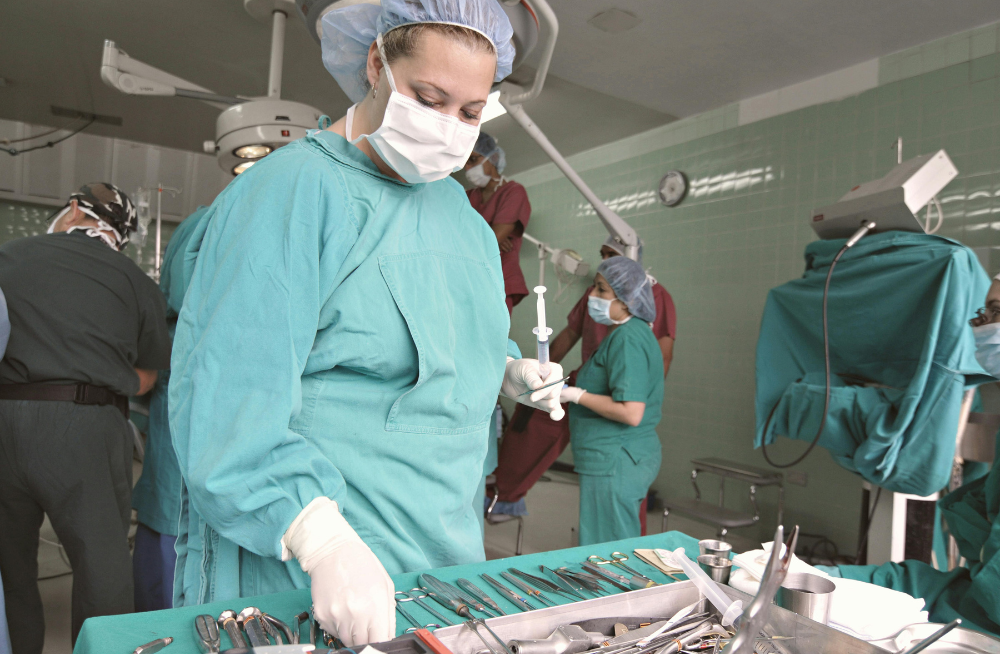
Surgery on the wrong site, a retained instrument, or an unsterilized-tool infection. Surgical error is the primary issue in an estimated three-quarters of malpractice cases against surgeons. Warning sign: unexpected complications or a second operation to fix the first.
Even small anesthesia mistakes can cause brain injury or death. Warning sign: failure to review your history or monitor you properly during a procedure.
Failing to monitor fetal distress, misusing forceps or a vacuum, or delaying a needed C-section can cause lifelong birth injuries. Warning sign: a difficult delivery followed by a diagnosis like cerebral palsy.
Roughly one in twenty hospital patients picks up an infection during care. When poor hygiene or sterilization is to blame, it can be negligence. Warning sign: a new infection that appears days into a hospital stay.
Sending a patient home too soon, or failing to order needed treatment or follow-up. Warning sign: readmission shortly after discharge for the same problem.
Patients have the right to be told the risks of a treatment. If you weren’t warned and were harmed by an undisclosed risk, you may have a claim.
| Medical error | Common causes | Potential consequences |
|---|---|---|
| Misdiagnosis | Incomplete history, misread tests | Delayed treatment, worsening condition |
| Medication errors | Wrong prescription or dosage | Organ failure, life-threatening reactions |
| Surgical mistakes | Wrong-site surgery, retained instruments | Permanent disability, infection |
| Birth injuries | Poor fetal monitoring, forceps misuse | Brain damage, physical disability |
| Hospital infections | Poor hygiene/sterilization | Sepsis, extended illness |
Nevada handles these cases as ‘professional negligence’ under NRS Chapter 41A, which adds special rules you won’t find in an ordinary injury case. The three that matter most are the filing deadline, the damages cap, and the expert-affidavit requirement.
Under NRS 41A.097, a Nevada medical-malpractice claim generally must be filed by the earlier of three years from the date of the injury or one year from when you discovered (or reasonably should have discovered) it. Limited exceptions apply — for example, a concealed error, a foreign object left in the body, or claims involving minors. Because the discovery rule can shorten your window, it’s important to act quickly. (See our overview of Nevada’s malpractice time limits.)
Nevada caps non-economic damages (pain and suffering) in malpractice cases under NRS 41A.035. After a 2023 reform (AB 404), that cap rises each year: it is $590,000 in 2026 and increases by $80,000 annually until it reaches $750,000 in 2028, then adjusts upward after that. Importantly, the cap applies only to non-economic damages — your economic losses, like medical bills and lost wages, are not capped.
Yes. Nevada requires a malpractice complaint to be filed alongside a sworn affidavit from a qualified medical expert supporting the claim (NRS 41A.071). Without that affidavit, the court can dismiss the case at the outset. This is one of the biggest reasons these claims need an experienced attorney from the start.
Winning comes down to the standard of care: what a competent provider would have done in the same situation. Your attorney works with medical experts to show how the provider deviated from that standard and how the deviation caused your injury — then documents the damages. (For a deeper look, see can you sue a doctor in Nevada.)
These are among the most complex injury cases, so experience matters. Look for a firm that handles Nevada malpractice specifically, works with credible medical experts, and will explain the affidavit and cap rules up front. Bring your medical records, a timeline of treatment, and any bills to your first consultation so the team can evaluate the claim quickly.

Misdiagnosis — including delayed or missed diagnosis. It leads to incorrect or late treatment and is one of the most frequent bases for malpractice claims.
Generally the earlier of three years from the injury or one year from when you discovered it, under NRS 41A.097, with limited exceptions for concealment, foreign objects, and minors.
Yes, on non-economic damages (pain and suffering) under NRS 41A.035 — $590,000 in 2026, rising to $750,000 by 2028. Economic damages like medical bills and lost wages are not capped.
Yes. Nevada requires a supporting affidavit from a qualified medical expert filed with the complaint (NRS 41A.071); without it, the case can be dismissed.
Medicine carries risk, and not every poor result is negligence. It’s malpractice only when the provider fell below the accepted standard of care and that failure caused harm.
Sometimes. A hospital can be liable for its employees’ negligence, but many doctors are independent contractors, which affects who is responsible. An attorney can identify the right defendant.
Most work on contingency — no upfront fee, and they’re paid a percentage only if you recover. Your first consultation is typically free.
Errors so serious they should never happen — operating on the wrong body part or patient, or leaving an instrument inside the body.
Medical errors are far more common than most people realize, and their consequences can be permanent. If you believe a provider’s mistake harmed you or a loved one, Nevada law gives you a path — but the deadlines and expert requirements are strict. Gina Corena & Associates can help you understand your options. Contact our medical malpractice team for a free consultation.

As founder of Gina Corena & Associates, she is dedicated to fighting for the rights of the people who suffer life-changing personal injuries in car, truck and motorcycle accidents as well as other types of personal injury. Gina feels fortunate to serve the Nevada community and hold wrongdoers accountable for their harm to her clients.