
GET A FREE CONSULTATION
(702) 680-1111
An Uber or Lyft accident can raise questions about insurance coverage, responsibility, and what to do next. A Las Vegas rideshare accident lawyer helps explain how these claims work, clarify which insurance may apply, and guide you through next steps.
Talk to a Lawyer
Uber and Lyft accidents are different because the rules change depending on what the driver was doing at the moment of the crash. Was the app off? Were they waiting for a ride? Were they actively driving a passenger? That single detail can completely change which insurance applies.
Most people involved in rideshare accidents are never clearly told how this works. Passengers, other drivers, and even rideshare drivers themselves are often left guessing about who is supposed to cover the damage and injuries.
At Gina Corena & Associates, our Las Vegas rideshare accident lawyer focuses on identifying the driver’s ride status, reviewing all applicable insurance policies, and clarifying how Uber or Lyft coverage may apply. This early review often determines how a claim moves forward.
Our role is to help clients understand where responsibility falls and what options may exist under Nevada law, without forcing them to sort through rideshare insurance rules on their own.
$1,040,000
$1,023,006.92
$1,010,000
$1,010,000
After an Uber or Lyft accident, the steps you take early can affect how insurance coverage applies and how smoothly a claim moves forward. This is true whether you were a passenger, a rideshare driver, or another motorist involved in the crash.
After a rideshare accident in Las Vegas, it is generally important to:
Because Uber and Lyft accidents follow coverage rules that differ from standard crashes, many people choose to speak with a Las Vegas rideshare accident attorney to better understand how insurance may apply and what steps make sense based on their role in the accident.

One of the most confusing parts of an Uber or Lyft accident is figuring out which insurance policy applies. Unlike regular car accidents, rideshare coverage changes depending on what the driver was doing at the time of the crash.
In general, coverage may depend on:
Because rideshare insurance can shift based on app status and timing, many people choose to speak with a rideshare accident lawyer in Las Vegas to help clarify which coverage may apply and what that means for their situation.

A rideshare accident claim can include both financial losses and personal harm. That may include medical expenses, future treatment, lost income, reduced earning capacity, pain and suffering, and the ways your injuries affect daily life.
Nevada does not cap these damages in a typical rideshare injury case. In some situations, punitive damages may also be available.
Nevada’s comparative negligence law can also affect compensation. If you are found partially at fault, your recovery is reduced by your percentage of fault. If you are found more than 50 percent responsible, you cannot recover damages.
The truth is that case value depends on the details. We take the time to understand what the accident has cost you, gather the evidence to support it, and pursue compensation that reflects those losses.
People involved in Uber and Lyft accidents often come to us because they want clear answers, not guesswork. They’ve heard different things from different insurance companies and are unsure who is actually responsible.
At Gina Corena & Associates, we focus on helping clients understand how rideshare claims really work. We take time to explain the situation in plain language, answer questions directly, and make sure clients know what matters before any decisions are made.
Clients also choose our firm because we understand that Uber and Lyft accidents don’t work like regular crashes. A Las Vegas Uber accident lawyer pays attention to details that are often overlooked and helps clients understand how those details affect their specific situation without rushing them or adding pressure.


Rideshare use has grown quickly across Las Vegas, especially in busy areas near the Strip, airports, and major event venues. With more Uber and Lyft vehicles on the road, accidents involving rideshare drivers have become more common.
Nevada transportation data shows:
Understanding how rideshare activity affects risk and insurance coverage is an important first step after a collision. An uber accident attorney in Las Vegas can help explain how these factors may relate to a specific situation.
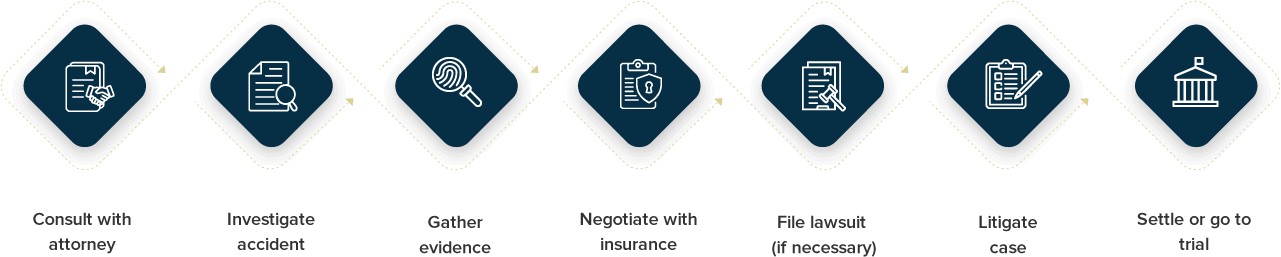
The legal process after an Uber or Lyft accident usually starts with figuring out what was happening in the app at the time of the crash. That detail helps determine which insurance policies may apply and how the claim should move forward.
From there, information such as accident reports, ride records, and medical documentation is reviewed. Some claims move through insurance discussions, while others require additional steps depending on coverage questions or disputes.
Rideshare cases often involve more than one insurer, which can slow things down if responsibilities are unclear. Throughout the process, the focus is on keeping clients informed so they understand what’s happening and what decisions may affect their claim.
Every rideshare accident follows its own path, but having a clear process helps avoid unnecessary confusion and delays.

The experience of our attorneys ranges from insurance and commercial law to personal injury and other areas which give our team an unmatched ability to reach a favorable outcome in your case. We handle each matter with accountability and responsiveness, as if we were representing ourselves.
Yes. Whether the driver was logged out, waiting for a ride, or actively transporting a passenger can affect which insurance policy applies. This detail often determines how much coverage may be available and how the claim is handled.
Passengers are usually covered under Uber or Lyft’s insurance while a ride is active. However, coverage details can still vary depending on how the accident happened and whether another driver was involved.
If you were hit by a rideshare driver, coverage may depend on whether the driver was using the app at the time of the crash. A Las Vegas Uber accident lawyer can help explain how app status affects which insurance policy may apply in that situation.
Rideshare companies may point to insurance rules or app status to limit responsibility. This can create confusion for injured people, especially when multiple insurers are involved in the claim.
Not always. Rideshare accidents can take longer because insurance coverage depends on app activity and timing. Sorting out which policy applies is often the biggest source of delay.
Rideshare accidents follow insurance rules that don’t apply to regular crashes. A Lyft accident attorney in Las Vegas can help explain coverage questions, clarify responsibility, and guide you through next steps based on whether you were a passenger, driver, or third party.

As a former las vegas car accident attorney, Ms. Corena has gained the experience and knowledge that many personal injury attorneys simply do not have access to.
“Top 40 Under 40” attorney by the American Society of Legal Advocates
“Ten Best Attorneys” in Nevada