
GET A FREE CONSULTATION
(702) 680-1111
At Gina Corena & Associates, we represent pedestrians injured in crosswalks, intersections, parking areas, and other high-traffic locations throughout Las Vegas.
Check Your Options
Pedestrian accidents often lead to serious injuries because there is little to no protection between a person and a vehicle. In Las Vegas, pedestrian accident claims can also become complicated when drivers dispute fault or insurance companies question what happened.
At Gina Corena & Associates, our Las Vegas pedestrian accident lawyer helps injured pedestrians understand their legal options and what to expect after a crash. We focus on explaining the process in clear, simple terms so clients are never left guessing about what comes next.
Pedestrian cases often involve issues like crosswalk use, right-of-way questions, or whether a driver was paying attention. We take the time to review the details carefully and explain how those factors may affect responsibility and compensation under Nevada law.
Clients work directly with attorneys who stay involved throughout the case and communicate openly at every stage. Our goal is to provide steady guidance, honest answers, and realistic expectations so clients can focus on healing while we handle the legal side.
$1,040,000
$1,023,006.92
$1,010,000
$1,010,000
Pedestrian accidents often happen suddenly and in places where people expect to be safe. In busy areas across Las Vegas, vehicle traffic, visibility issues, and driver behavior all play a role in how these collisions occur.
Some of the most common causes of pedestrian accidents include:
Understanding what caused a pedestrian accident helps explain what comes next. A Las Vegas pedestrian accident lawyer can look at how the crash happened and explain how it may affect your claim.

After a pedestrian accident, it can be hard to know what to do first—especially when injuries are involved. Taking a few important steps early can help protect your health and avoid problems later.
If you are able, it is generally important to:
Pedestrian accidents often involve insurance questions and deadlines that are not always clear. A pedestrian accident Attorney Las Vegas can help explain what steps matter most and what to expect moving forward.
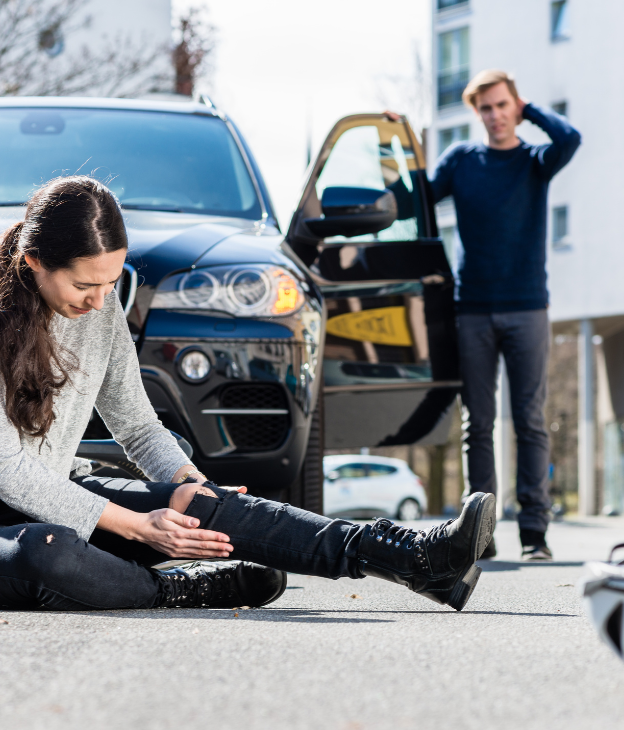
Pedestrian accident cases often involve uncertainty, especially when insurance companies raise questions about fault or try to limit coverage. In these situations, what matters most is having guidance that is steady, clear, and responsive.
Clients choose Gina Corena & Associates because our approach prioritizes understanding and communication. We take time to explain options, answer questions as they come up, and help clients make informed decisions without feeling rushed or pressured.
Throughout the case, attorneys stay directly involved rather than handing matters off. Clients receive updates when decisions are needed, explanations before actions are taken, and clear answers to insurance questions as they arise.
This approach helps avoid confusion and keeps the claim moving forward without unnecessary delays.


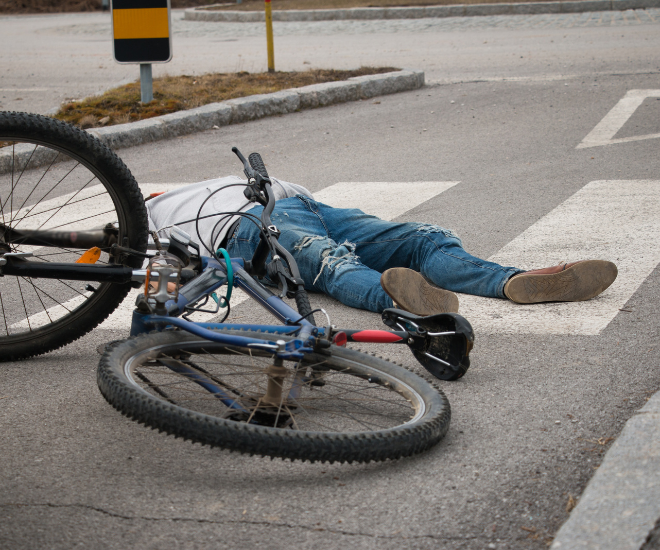
Pedestrian accidents continue to be a serious safety concern in Nevada, especially in urban areas like Las Vegas. According to data collected by the Zero Fatalities Nevada, a statewide traffic safety program, hundreds of pedestrians are injured or killed on Nevada roads each year, with pedestrian fatalities remaining a significant portion of overall traffic deaths.
Data from the Nevada Department of Transportation (NDOT) and local law enforcement agencies shows that pedestrian crashes frequently occur on busy city streets, at intersections, and in areas with high traffic volume.
Speeding, failure to yield, and impaired driving are commonly cited contributing factors in these incidents.
Understanding these patterns helps explain why pedestrian safety laws and accountability play an important role after a serious accident.
Nevada follows an at-fault system, meaning responsibility is based on how the accident occurred. In pedestrian cases, factors such as right of way, crosswalk use, driver behavior, and traffic law violations are often reviewed.
Even if a pedestrian is found to share some responsibility, Nevada’s comparative negligence rules may still allow compensation depending on the circumstances.
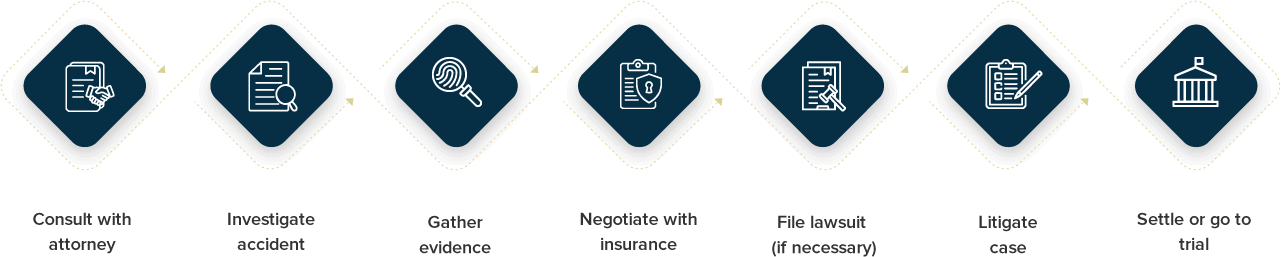
As a claim moves forward, information such as police reports, medical records, witness statements, and available video or traffic camera footage may be reviewed to understand what happened and how injuries occurred. This information is typically used during insurance discussions and, if necessary, later stages of the claim.
At Gina Corena & Associates, clients are guided through each stage of the process with clear explanations and realistic expectations. While every case follows its own timeline, understanding the process allows clients to focus on recovery while legal matters move forward.

The experience of our attorneys ranges from insurance and commercial law to personal injury and other areas which give our team an unmatched ability to reach a favorable outcome in your case. We handle each matter with accountability and responsiveness, as if we were representing ourselves.
Seek medical care right away, even if injuries seem minor. Report the accident to police, gather basic information if possible, and keep records related to treatment and expenses. A Las Vegas pedestrian accident lawyer can also help explain next steps and protect your claim early.
Yes. Nevada follows comparative negligence rules. Even if a pedestrian is found partially responsible, compensation may still be available depending on the circumstances. The final outcome often depends on how fault is shared and how the accident occurred.
Important evidence may include police reports, medical records, photos or videos from the scene, witness statements, and traffic camera footage. A pedestrian accident lawyer in Las Vegas can review this information to help explain how the crash happened and how injuries were caused.
In most cases, Nevada law allows two years from the date of the accident to file a personal injury claim. Missing this deadline may limit your ability to recover compensation, which is why it helps to understand timelines early.
Depending on the situation, compensation may include medical expenses, lost income, future treatment needs, and physical discomfort caused by the injuries. The amount depends on factors such as injury severity, recovery time, and available insurance coverage.
Pedestrian accident claims often involve disputed fault, insurance delays, and strict deadlines. A Las Vegas pedestrian accident attorney helps review your situation, handle communication with insurers, and guide you through decisions so you understand your options at each stage.

As a former las vegas car accident attorney, Ms. Corena has gained the experience and knowledge that many personal injury attorneys simply do not have access to.
“Top 40 Under 40” attorney by the American Society of Legal Advocates
“Ten Best Attorneys” in Nevada