GET A FREE CONSULTATION
(702) 680-1111

Founding Member & Managing Partner at Gina Corena & Associates
Practice Areas: Personal Injury

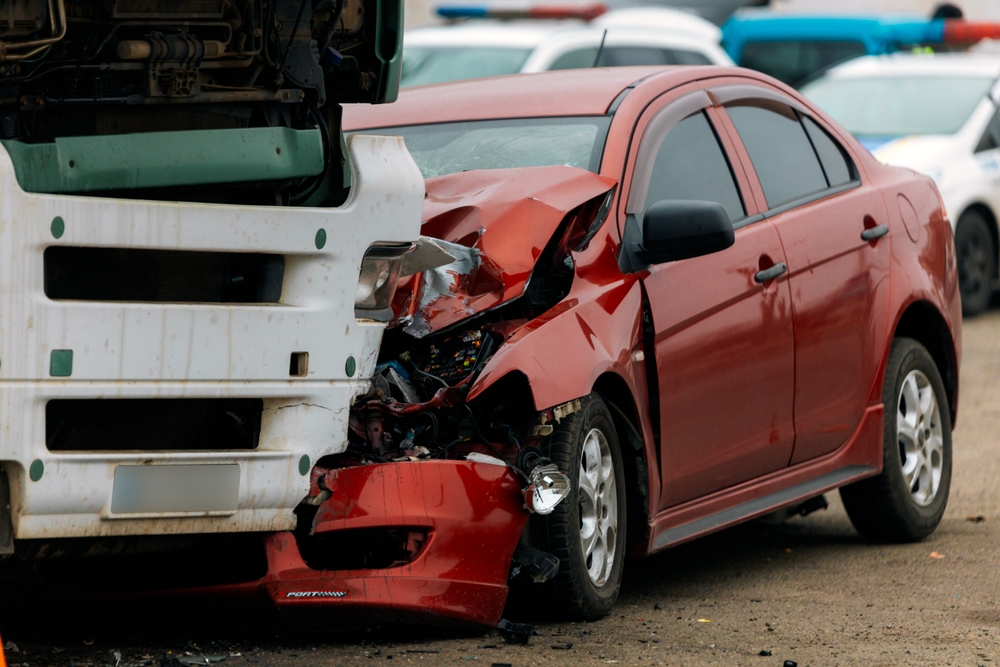
Truck accidents in Las Vegas are often devastating because of the sheer weight and force of commercial vehicles. When brakes fail, the driver can lose all ability to slow down, putting everyone nearby at risk. Knowing why these failures happen, which laws apply, and who can be held responsible helps victims and families protect their rights.
At Gina Corena & Associates, we have seen firsthand how brake malfunctions can turn a routine drive into a life-altering event. This guide explains the causes of brake failures, Nevada and federal safety standards, liability, and the evidence needed to pursue a claim.
Commercial trucks can weigh up to 40 tons, making brakes their most critical safety system. Unlike passenger cars, trucks rely on air brakes, which must function consistently across all wheels.
Brakes can fail due to overheating, neglected linings, air leaks, or malfunctioning anti-lock systems (ABS), often leading to catastrophic outcomes. Improperly loaded trailers, mountainous Nevada highways, and extreme desert heat only increase the stress on braking systems.
According to the Large Truck Crash Causation Study, brake problems were cited in nearly 30% of large truck crashes, highlighting how vital proper brake maintenance is. FMCSA
Unlike passenger vehicles, commercial trucks are subject to much stricter brake design and maintenance rules. When those rules are ignored, lives are at stake.
Federal and state governments impose strict standards to minimize mechanical failures.
Federal Motor Carrier Safety Administration (FMCSA):
Nevada State Law:
Under Nevada law (NRS 484D.250), all trucks must be equipped with adequate brakes. Noncompliance can be used as evidence of negligence in civil cases.
These rules show how liability may extend beyond the driver to carriers, inspectors, and manufacturers.

Brake failures rarely occur in isolation. Multiple parties may share responsibility.
Liability in brake-failure cases is often complex and spread across several parties. Careful investigation is essential to uncover every responsible link and secure fair compensation.
Brake-failure claims hinge on strong technical evidence. Key materials include:
The Commercial Vehicle Safety Alliance (CVSA) enforces a “20% defective brake” rule: if more than 20% of a truck’s brakes are faulty, it must be removed from service. CVSA
Preserving this evidence quickly is critical. Repairing or discarding parts before inspection can erase proof of negligence.
Victims in Nevada generally have two years from the date of the accident to file a personal injury claim under NRS 11.190(4)(e). Claims against manufacturers for defective parts may extend if the defect is discovered later.
The legal process often begins with an investigation, including subpoenas for maintenance logs and EDR data. Once evidence is secured, attorneys file a complaint naming all potentially liable parties. Cases may resolve in settlement, but trucking companies and insurers frequently contest brake-failure claims, requiring litigation.
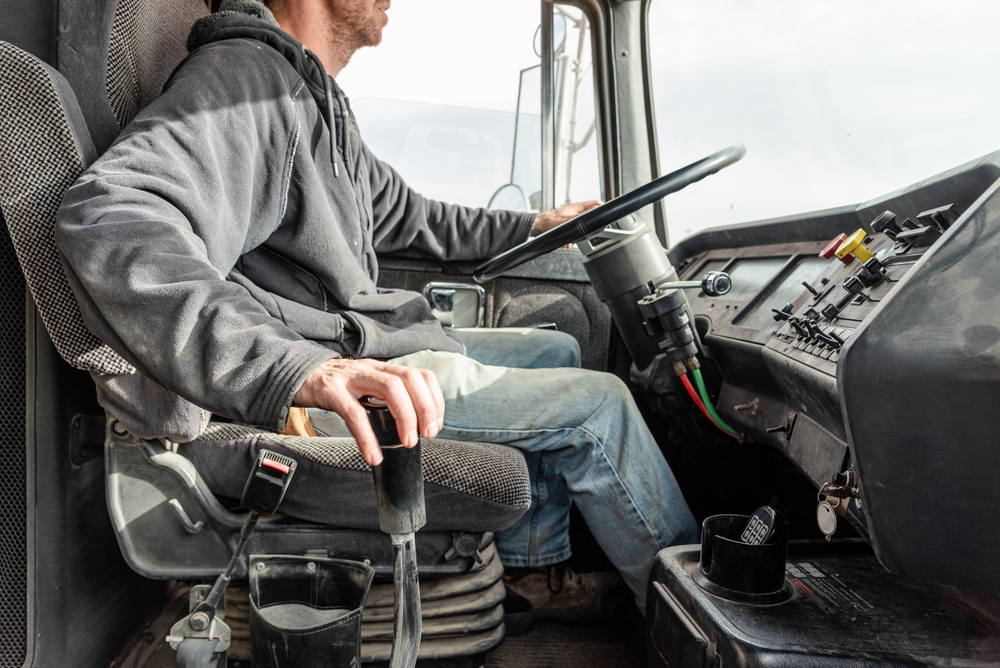
Prevention is the foundation of safe trucking. Federal rules require carriers to maintain inspection systems, while drivers must perform daily checks. Regular training, proper loading, and hiring qualified inspectors reduce risks.
Programs like Brake Safety Week, led by the CVSA, place thousands of trucks out of service each year for brake violations. Public enforcement and private accountability together create safer highways.
When accidents occur, civil claims not only help victims recover but also push carriers and manufacturers to improve standards across the industry.
|
Party Responsible |
Duty / Regulation |
Potential Liability Example |
| Truck Driver | Pre-trip inspections (49 CFR § 396.13) | Ignoring warning indicators |
| Trucking Company | Systematic maintenance (49 CFR § 396.3) | Failing to schedule brake service |
| Brake Inspector | Qualifications (49 CFR § 396.25) | Unqualified inspection performed |
| Manufacturer | Product liability law | Defective ABS component |
| Trailer Owner/Lessor | Ensure roadworthiness | Leasing a trailer with worn brakes |
Frequent causes include overheating, defective parts, lack of maintenance, overloading, and skipped inspections on commercial vehicles.
Yes. Liability may involve the driver, carrier, maintenance shop, parts manufacturer, or trailer owner, depending on who failed legal duties.
Critical records include inspection logs, maintenance reports, EDR data, and safety citations issued before the crash.
Compensation is reduced if the victim shares fault, and recovery is barred if fault reaches 51 percent or higher.
Victims usually have two years from the accident date to file a personal injury lawsuit under Nevada law.
Carriers must comply with FMCSA regulations, maintain inspection systems, and employ certified brake inspectors for compliance.
Brake failures are among the most dangerous mechanical issues in commercial trucking. Federal rules, Nevada state law, and CVSA safety standards all impose strict duties on drivers, carriers, inspectors, and manufacturers. When those duties are ignored, the results can be devastating.
Victims of truck brake failure accidents need to act quickly to preserve evidence and identify all potentially liable parties. Gina Corena & Associates helps accident victims in Las Vegas navigate the complex process of proving liability and pursuing compensation, ensuring accountability while promoting safer roads across Nevada. Contact us today for a free consultation.

As founder of Gina Corena & Associates, she is dedicated to fighting for the rights of the people who suffer life-changing personal injuries in car, truck and motorcycle accidents as well as other types of personal injury. Gina feels fortunate to serve the Nevada community and hold wrongdoers accountable for their harm to her clients.