GET A FREE CONSULTATION
(702) 680-1111

Founding Member & Managing Partner at Gina Corena & Associates
Practice Areas: Personal Injury
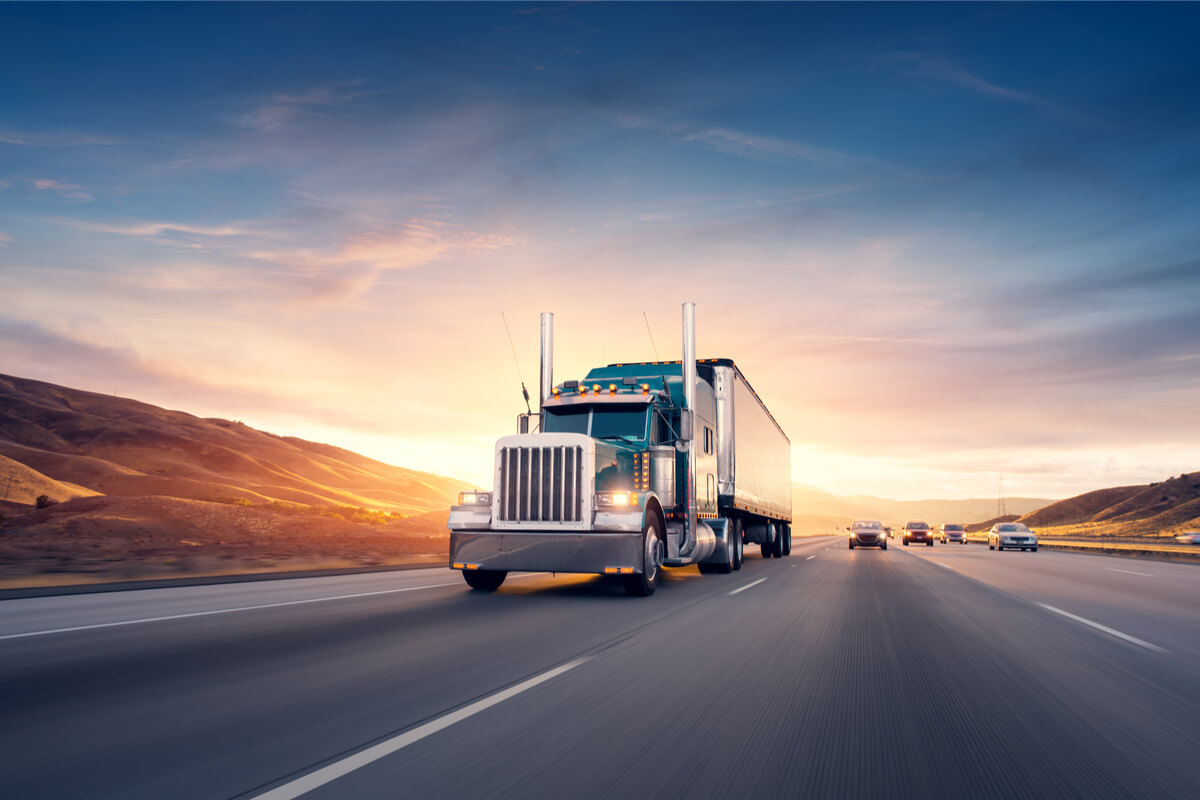
Truck accidents are among the most serious incidents on the road. Due to their immense size and weight, commercial trucks can cause devastating injuries and property damage in seconds. Determining who is responsible is not always simple. Liability often involves more than one party from the truck either driver and trucking company to the cargo loaders and parts manufacturers.
Understanding how different types of truck accidents happen and how liability is established can help anyone make sense of the complex process that follows a crash.
Understanding the various types of truck accidents is the first step in recognizing how they occur and who might be responsible. Each type of crash presents unique challenges when determining fault and liability.
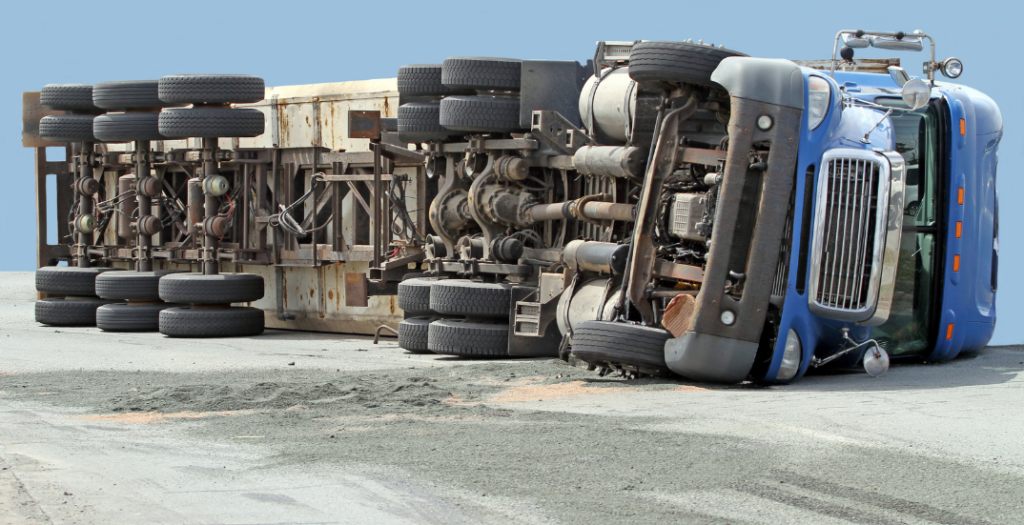
Rollover crashes occur when a truck tips onto its side or roof, often blocking several lanes of traffic. These incidents usually happen when a driver takes a curve too quickly, overcorrects, or faces uneven road surfaces. Poorly balanced cargo or strong crosswinds can also cause a truck to lose balance.
When a rollover happens, fault may lie with the driver for speeding or with the loading team if the cargo was stacked unevenly. Trucking companies might also share responsibility for failing to ensure proper load inspections.
According to the Federal Motor Carrier Safety Administration (FMCSA), rollover accidents account for nearly 10% of all fatal large truck crashes each year.
A jackknife accident occurs when the trailer folds toward the cab at an angle, forming an “L” or “V” shape. This can sweep across multiple lanes, striking nearby vehicles. Such crashes typically result from abrupt braking, wet road conditions, or mechanical failure in braking systems.
If sudden braking or driver error caused the accident, the driver could be liable. However, if the truck’s brakes were poorly maintained or overloaded, liability may extend to the trucking company or cargo loaders.
Brake failure remains one of the leading causes of large truck accidents. A fully loaded commercial truck can weigh up to 80,000 pounds, and even a brief loss of braking power can lead to disaster.
“According to the National Highway Traffic Safety Administration (NHTSA), brake-related issues contribute to 29% of all large truck crashes in the United States.”
Fault may rest with the trucking company for skipping scheduled maintenance, the manufacturer for producing defective parts, or even the driver for ignoring warning signs.
FMCSA Regulation 49 CFR §396.3 requires all motor carriers to systematically inspect, repair, and maintain vehicles to ensure safe operation.
Improperly secured cargo can cause a truck to lose stability or spill its load, creating road hazards for other motorists. Common causes include overloading, poor tie-downs, or failure to follow FMCSA cargo rules.
FMCSA Regulation 49 CFR §393 outlines cargo securement requirements to prevent shifting during transit. If a load was not properly fastened, the cargo crew or the trucking company could be liable. Drivers also share responsibility for checking loads before departure.
A tire blowout can cause a truck to swerve suddenly and collide with other vehicles. Blowouts often stem from poor maintenance, underinflation, or manufacturing defects. If the tire was defective, the manufacturer might be at fault, while neglected maintenance could make the trucking company liable.
If you want to learn more about your rights or how investigations are handled after serious collisions, reading insights from an experienced Las Vegas truck accident lawyer can provide helpful perspective on the laws and safety standards that apply in Nevada.
Establishing who is legally responsible requires a thorough investigation. Multiple entities can share fault based on how the crash occurred.
Under Nevada’s comparative negligence law (NRS 41.141), an injured person can recover damages only if they are less than 50% at fault for the accident.
In many cases, liability is shared among parties, which can influence how compensation is distributed after a crash.
To prove liability, investigators and insurers rely on solid documentation and data. The following are critical in determining responsibility:
“Black box data can reveal crucial details about speed, throttle, and braking seconds before a crash making it one of the most valuable pieces of evidence in truck accident investigations.”

Federal and state laws govern nearly every aspect of trucking safety. Violations of these standards can directly prove negligence.
|
Violation or Factor |
Regulation or Rule |
Potentially Liable Party |
| Brake failure | FMCSA 49 CFR §396.3 | Trucking company or maintenance provider |
| Improperly secured cargo | FMCSA 49 CFR §393 | Cargo loading company or carrier |
| Driver fatigue (HOS violation) | FMCSA 49 CFR §395 | Truck driver and employer |
| Tire defects or poor maintenance | Manufacturer / FMCSA §396 | Tire manufacturer or trucking company |
| Missing inspection records | FMCSA §396.11 | Trucking company |
Regulatory compliance reduces crash risk, but violations of these laws frequently appear in post-crash investigations. Understanding these rules helps clarify how liability is assigned.
Trucking safety depends on following preventive practices like regular inspections, balanced loading, and strict adherence to driving-hour limits. FMCSA regulations are designed to protect both truck drivers and other motorists by minimizing fatigue, brake failure, and equipment malfunctions.
Educational awareness of these standards allows readers to see how investigations unfold after a crash and why multiple entities might share responsibility when rules are ignored.
Fatigue, speeding, poor maintenance, overloading, and mechanical defects are leading causes of truck crashes, according to FMCSA research.
Yes. Drivers, trucking companies, maintenance providers, or manufacturers can all share liability based on the evidence collected.
FMCSA and NHTSA rules establish safety standards. Violating these regulations can make a company or driver legally responsible for negligence.
Black box data, inspection logs, driver records, and police reports help determine which party caused or contributed to the accident.
It allows compensation if the injured person is less than 50% at fault, with recovery reduced according to their percentage of responsibility.
No. Some are caused by manufacturer defects or road hazards, while others result from poor maintenance by the carrier.
Truck accidents often involve a combination of human error, mechanical issues, and regulatory violations. Understanding the different types of truck accidents and how liability is determined helps victims and families make sense of the aftermath.
Evidence such as maintenance logs, black box data, and FMCSA records plays a crucial role in establishing who is at fault and why.
If you or someone you know has been affected by a truck accident in Nevada, Gina Corena & Associates can help you understand your rights and explore your options.
Our team offers free consultations to discuss your situation and guide you through the next steps toward recovery.

As founder of Gina Corena & Associates, she is dedicated to fighting for the rights of the people who suffer life-changing personal injuries in car, truck and motorcycle accidents as well as other types of personal injury. Gina feels fortunate to serve the Nevada community and hold wrongdoers accountable for their harm to her clients.