GET A FREE CONSULTATION
(702) 680-1111
Founding Member & Managing Partner at Gina Corena & Associates
Practice Areas: Personal Injury
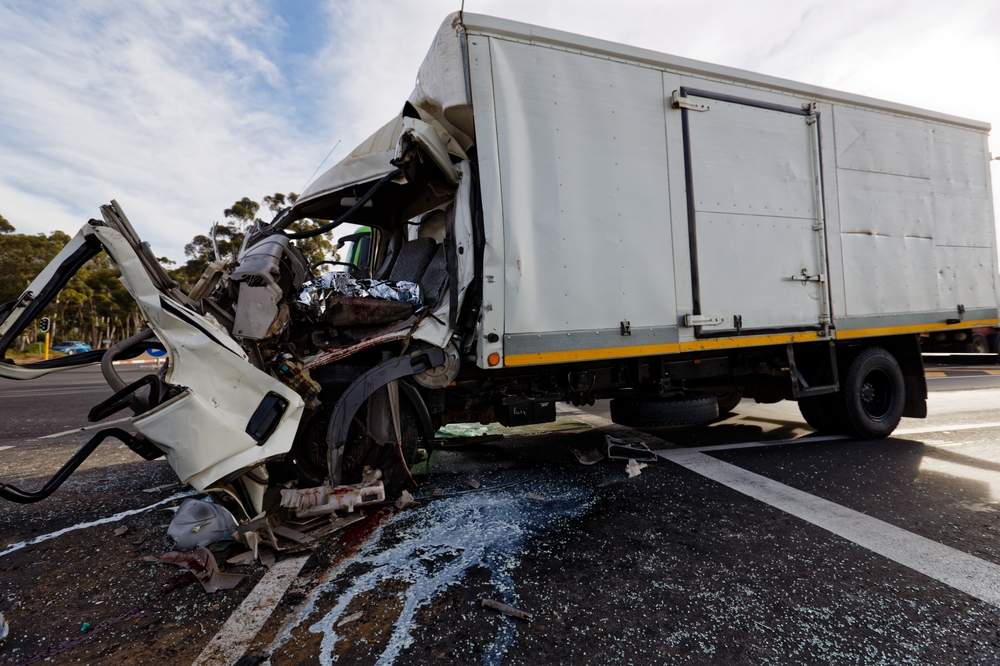
When a large truck crashes, the results can be devastating. Victims often face serious injuries, long recovery periods, and overwhelming expenses. Many people believe the truck driver is the only one responsible for the accident, but in many cases, the trucking company may also share the blame.
Understanding how liability works in trucking accidents helps you see the bigger picture and it can make a major difference in how a claim is handled and what compensation may be available. This article explains how trucking company liability works, what laws apply, and how negligence is proven in such cases.
In most truck accidents, both the driver and the company can play a role in causing the crash. The concept that allows a company to be held responsible for its employee’s actions is called vicarious liability, also known as respondent superior. This means that if a driver causes an accident while performing their job duties, the employer can be held legally accountable.
The key factor is the relationship between the driver and the company.
Another important element is direct negligence. A trucking company can be held directly liable if its own actions or failures contributed to the accident. This includes poor hiring, lack of training, or failure to maintain its fleet properly.
“Vicarious liability allows employers to be held responsible for their employee’s actions if they occur within the scope of employment.”
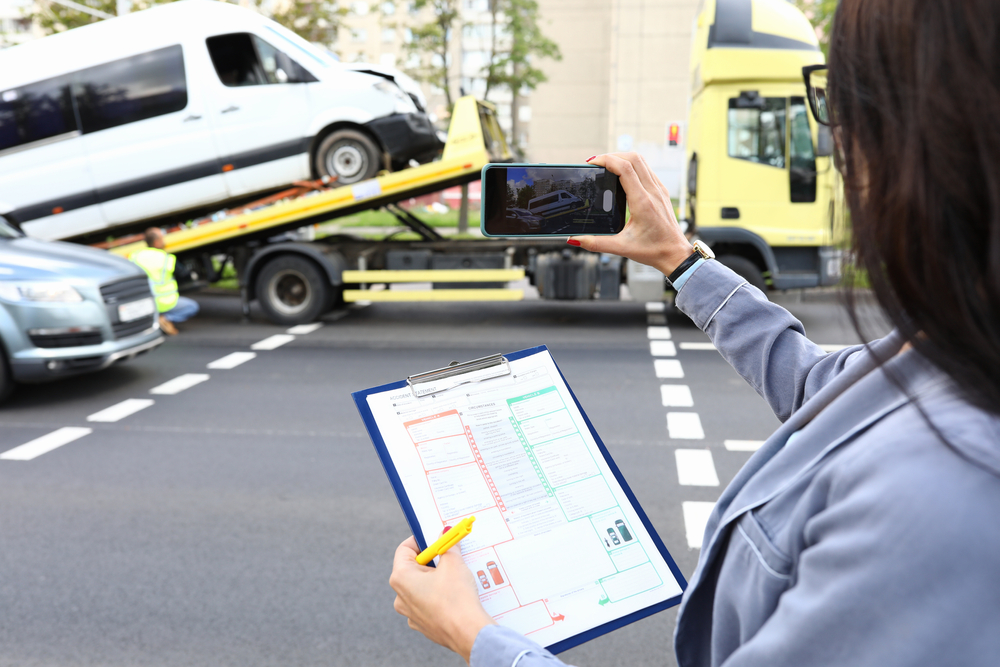
Trucking companies have a legal duty to follow federal and state safety rules, including those established by the Federal Motor Carrier Safety Administration (FMCSA). When these companies cut corners, they risk the safety of everyone on the road. Some of the most common ways they can be found negligent include:
Companies are expected to hire qualified drivers with proper commercial licenses. If they hire someone with a history of traffic violations, poor training, or substance abuse, they can be held liable when that driver causes an accident.
Commercial trucks require regular inspections and maintenance. Ignoring repairs or skipping scheduled maintenance can lead to dangerous mechanical failures such as brake or tire issues.
The FMCSA limits how long drivers can be on the road without rest. Some trucking companies pressure drivers to exceed these limits to meet tight delivery schedules. Fatigue-related crashes are often the result.
Overloading a truck or failing to secure cargo properly can cause rollovers, jackknifes, or spilled loads that endanger other vehicles. When any of these factors are present, both the driver and the trucking company may share liability for the resulting damages.
While companies are often responsible for their drivers, there are certain cases where they may not be held accountable. If the driver acted outside the scope of employment, such as using the truck for personal reasons or driving under the influence, the company may not be legally responsible.
Additionally, if the driver is an independent contractor, the company may argue that it doesn’t have direct control over how the driver operates. However, if the company dictates work schedules, equipment standards, or safety procedures, courts may still find the company partially liable.
Nevada’s comparative negligence law also affects liability. If the injured person is found partially at fault, their recovery amount is reduced accordingly.
In cases where large carriers are involved, consulting an experienced Las Vegas truck accident lawyer can help clarify how the law applies to complex employer-employee arrangements.

Proving that a trucking company was negligent requires solid evidence. Legal teams typically look for the following types of documentation:
Such evidence helps determine whether the trucking company failed to follow required safety standards or directly contributed to the crash.
|
Scenario |
Driver Liability | Company Liability |
| Brake failure due to poor maintenance | Low | High |
| Driver exceeded legal driving hours | Moderate | Major |
| Driver intoxicated while off-duty | Full | None |
These examples show that fault in trucking accidents is often shared, depending on the company’s level of control and compliance with safety laws.
Yes, if the company employed the driver or was negligent through hiring, training, or safety violations that contributed to the crash.
It’s a legal rule that holds employers responsible for employees’ actions performed during work-related duties.
Black box data, driver logs, inspection reports, and hiring records often help show how a company failed to follow safety regulations.
Not usually, unless the company controls the driver’s work schedule, vehicle use, or imposes unsafe delivery demands.
If you are less than 50% at fault, you can recover compensation reduced by your share of responsibility.
FMCSA standards govern driver rest periods, vehicle inspections, and recordkeeping to promote safety in commercial transport.
Determining liability after a truck accident is rarely simple. While the driver may have caused the crash, the trucking company’s role in hiring, supervision, or maintenance often plays a major part. Understanding laws like Nevada’s comparative negligence rule and federal FMCSA regulations can help victims recognize how fault is established and what evidence matters most.
Truck accidents are complex and require careful investigation to uncover all responsible parties. Gina Corena & Associates has extensive experience with Nevada trucking laws and the resources needed to analyze these cases thoroughly.
If you or a loved one has been injured in a truck accident, reach out for a free consultation to learn about your rights and possible legal options.

As founder of Gina Corena & Associates, she is dedicated to fighting for the rights of the people who suffer life-changing personal injuries in car, truck and motorcycle accidents as well as other types of personal injury. Gina feels fortunate to serve the Nevada community and hold wrongdoers accountable for their harm to her clients.