GET A FREE CONSULTATION
(702) 680-1111
Founding Member & Managing Partner at Gina Corena & Associates
Practice Areas: Personal Injury

When children are placed in the care of others, families trust that their child’s safety and well-being are always the top priority. Most parents expect structured care environments to reduce risk, yet many concerns arise from routine oversights that go unnoticed until a child is hurt.
Issues such as inadequate supervision, unsafe facilities, staff misconduct, or improper restraint often follow recognizable patterns in daycare and supervised care settings. Understanding how these failures happen helps families spot risks early and ask the right questions about their child’s care.
For some families, gaining clarity may also involve speaking with a daycare negligence lawyer to understand how safety standards apply in real-world daycare settings. Knowing when and why to seek guidance can be an important step in protecting children from preventable injury or neglect.
Negligence occurs when a facility or caregiver fails to meet reasonable care standards expected in a supervised environment. In daycare and similar settings, this duty of care includes active supervision, safe facilities, appropriate staff conduct, and proper handling methods.
Children depend entirely on adults to anticipate risks and prevent harm. When systems fail, rather than a single isolated mistake, negligence is often involved.
“Facilities responsible for children are expected to meet reasonable supervision and safety standards appropriate to the age and needs of those in their care.”
Inadequate supervision negligence is one of the most common forms of negligence in daycare settings. It occurs when children are left without proper monitoring or when staff attention is spread too thin.
Examples include children wandering away unnoticed, rough play escalating without intervention, or caregivers missing clear signs of distress. Even short lapses in supervision can result in preventable injuries.
Key factors that contribute to supervision failures include:
When children are not consistently monitored, the risk of foreseeable harm increases significantly.
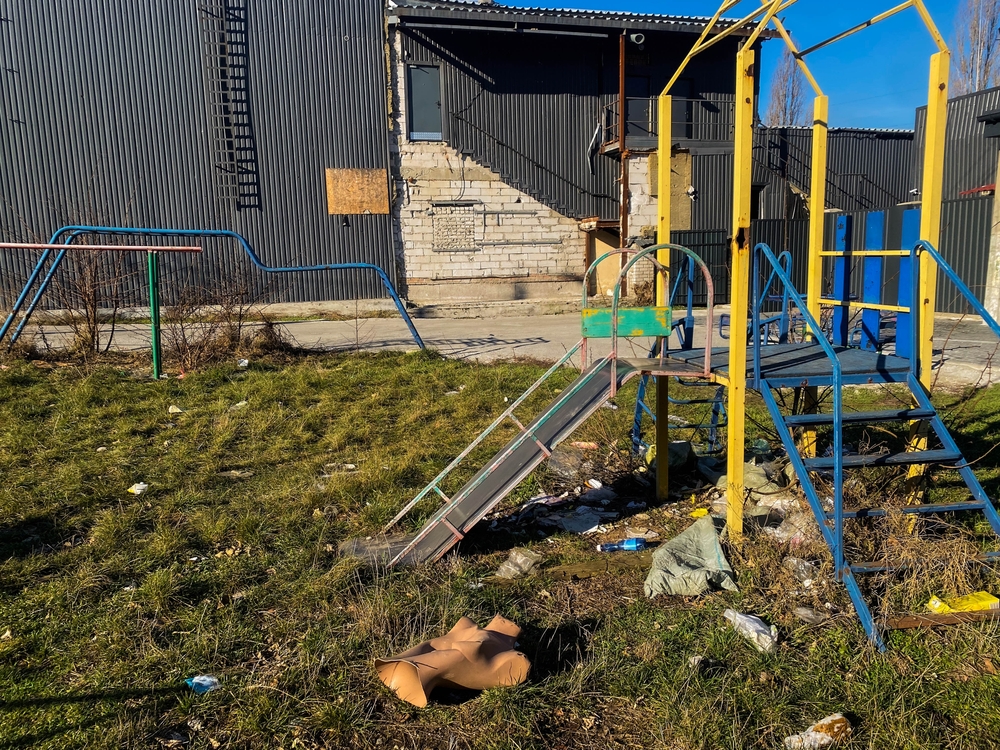
Unsafe facilities negligence happens when a care environment has conditions that unnecessarily put children in danger. These hazards may be visible or hidden and often stem from poor maintenance or overlooked safety checks.
Common unsafe conditions include broken or unstable equipment, unsecured doors, exposed electrical outlets, or poorly maintained playground surfaces. In Las Vegas facilities, heat exposure and outdoor safety also require careful attention.
Negligence in daycare settings often arises when known hazards are not corrected in a timely manner, leaving children in environments that fail to meet basic safety expectations.
Staff misconduct negligence does not always involve intentional harm or abuse. In many cases, it stems from insufficient staff training, weak policies, or a lack of oversight.
Examples include improper disciplinary methods, inappropriate interactions, or ignoring established safety procedures. When caregivers are undertrained or inadequately supervised, mistakes become more likely.
Daycare facilities are responsible for training staff, monitoring behavior, and enforcing clear conduct standards. Strong oversight and consistent expectations reduce the risk of misconduct-related injuries or neglect.
Improper restraint negligence occurs when physical restraints are used excessively, incorrectly, or without proper justification. In supervised environments, restraints should be rare, carefully controlled, and used only when necessary.
If used improperly, restraints can cause physical injury, emotional distress, or long-term harm. Daycare facilities are expected to follow strict safety protocols and document any use of restraints.
Nevada daycare regulations emphasize staff training, behavior management practices, and the limited use of restraints to protect children’s well-being.
Negligence in supervised environments rarely happens without warning signs. Patterns such as repeated safety issues, ignored complaints, or inconsistent policy enforcement often appear before a child is seriously hurt.
Families seeking information may later choose to speak with a child injury daycare attorney to better understand how supervision failures, unsafe facilities, or staff misconduct are evaluated under established safety standards.
Clear information and early action can help families advocate for safer care environments and reduce the risk of serious injury.

|
Type of Negligence |
Common Cause | Example Scenario |
Preventive Measure |
| Inadequate supervision | Poor monitoring | Child left unattended outdoors | Proper staff ratios |
| Unsafe facilities | Maintenance failure | Broken playground equipment | Routine inspections |
| Staff misconduct | Lack of training | Improper discipline methods | Ongoing staff education |
| Improper restraint | Policy violations | Excessive physical restraint | Clear restraint protocols |
Negligence occurs when a facility fails to meet reasonable care standards, creating preventable risk or harm to a child.
Yes. Failure to properly monitor children can be considered negligence if it creates foreseeable danger.
Hazardous conditions increase the risk of falls, burns, or other injuries that proper maintenance could prevent.
Restraints become improper when used excessively, incorrectly, or outside approved safety guidelines.
No. Many misconduct cases stem from poor training or a lack of supervision rather than deliberate actions.
Clear policies help staff respond consistently and reduce the risk of preventable injury or neglect.
Negligence in supervised care settings often follows clear and recognizable patterns. Inadequate supervision, unsafe facilities, staff misconduct, and improper restraint are among the most common failures that place children at risk of injury or harm. Understanding these categories helps families recognize warning signs early and advocate for safer care.
Gina Corena & Associates understands how negligence in daycare and supervised environments is evaluated under Nevada standards. If you have concerns about safety in a care setting, a free consultation can help you better understand your options and possible next steps.

As founder of Gina Corena & Associates, she is dedicated to fighting for the rights of the people who suffer life-changing personal injuries in car, truck and motorcycle accidents as well as other types of personal injury. Gina feels fortunate to serve the Nevada community and hold wrongdoers accountable for their harm to her clients.