GET A FREE CONSULTATION
(702) 680-1111

Founding Member & Managing Partner at Gina Corena & Associates
Practice Areas: Personal Injury
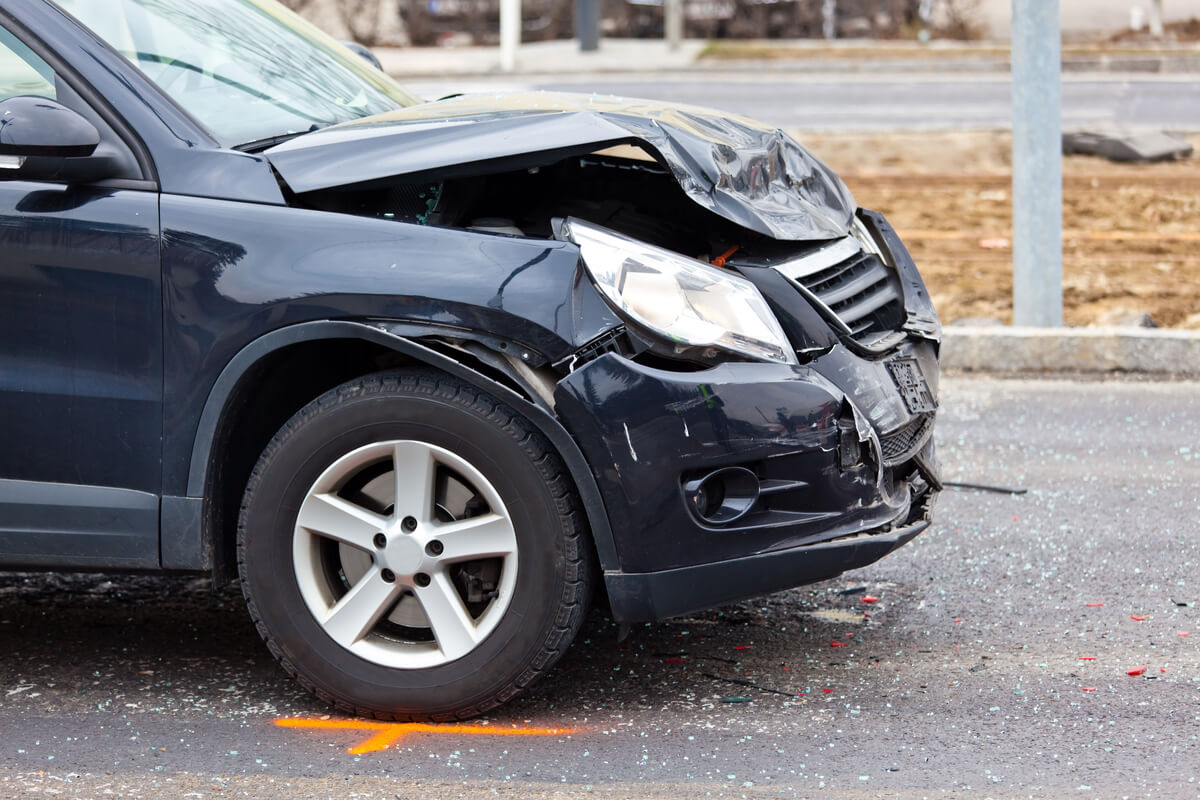
A head-on collision is one of the most violent crashes a person can survive. When two vehicles strike head-on, their combined speed and weight generate a tremendous force that the human body was never made to resist. For drivers and passengers in Las Vegas, the result is often severe and sometimes life-changing harm.
These crashes are rare but among the deadliest on the road. The injuries that follow tend to be serious, the recoveries long, and the medical bills high. On top of physical pain, many victims face lost income while they heal, which is why pursuing fair compensation matters so much. An experienced Las Vegas car accident attorney can help you understand your options and deal with the insurance company while you focus on recovery.
This guide explains the most common injuries from head-on collisions, why some symptoms may take time to appear, and how Nevada law allows injured people to seek compensation for what they have been through.
Head-on crashes tend to produce serious, multi-system injuries because the force travels through the whole body at once. The most common head-on collision injuries include traumatic brain injuries, spinal damage, chest and internal injuries, and broken bones.
The list below covers the injuries doctors and attorneys see most often after these crashes:
Many head-on crash victims suffer more than one of these injuries at the same time. A single collision can mean a brain injury, a spinal injury, and multiple fractures all at once, which makes both the medical care and the legal claim more complex.

Brain and spinal cord injuries are often the most serious and costly injuries from a head-on crash because they can affect a person for the rest of their life.
A traumatic brain injury can change how someone thinks, remembers, and feels long after the visible wounds heal. Some survivors recover fully. Others live with lasting headaches, trouble concentrating, personality changes, or an inability to return to their old job.
Spinal cord injuries carry their own weight. Damage high on the spine can affect movement and sensation throughout the body, while lower injuries may affect the legs and lower body. When paralysis is involved, the cost of medical care, equipment, home modifications, and ongoing help can reach into the millions over a lifetime.
Because the stakes are so high, these claims call for diligent documentation and, often, expert testimony to project future needs.
The harm from a head-on collision is not always physical. Many survivors develop post-traumatic stress disorder (PTSD), anxiety, depression, or a fear of driving after such a sudden and frightening event.
These conditions can interfere with sleep, relationships, and work. Nevada law recognizes emotional and psychological harm as compensable, so the mental cost of a crash can be part of your claim. Treatment with a therapist or counselor not only supports your recovery but also generates a record of how the crash affected your life.
Not every injury is obvious right after a crash. Adrenaline and shock can conceal pain for hours or days, and some serious conditions develop slowly.
Concussions, internal bleeding, soft-tissue damage, and spinal injuries can all surface after the initial shock wears off. That is one reason to see a doctor as soon as possible, even if you feel “okay” at the scene. A prompt medical exam protects your health, catches hidden problems early, and ties your injuries to the crash.
Gaps in treatment give insurers an opening to argue your injuries were minor or unrelated, so understanding how delayed injuries after a car accident work can help you protect both your health and your claim.
Most head-on crashes are caused by drivers who end up on the wrong side of the road.
Common causes include:
Once a car crosses into your lane, there is often no time to react. Defensive driving helps, but it cannot always prevent a crash with an out-of-control vehicle. When a negligent driver causes the wreck, Nevada law gives you the right to hold them accountable.

Nevada is an at-fault state, which means the driver who caused the crash and their insurance company are responsible for the harm. Most claims start with your lawyer negotiating with the insurer for a fair settlement, and many resolve without ever going to court. If negotiations stall, filing a lawsuit may be necessary to pursue full value.
Compensation in a head-on collision case can include both economic and non-economic damages:
Strong documentation drives the value of these claims. Keep every medical record, bill, pay stub, and receipt connected to the crash. The more clearly you can show what the injuries cost you, the harder it is for an insurer to lowball your claim.
Insurance companies use a range of settlement tactics to reduce payouts, so it helps to have someone who knows how those calculations work on your side.
Nevada generally gives injury victims two years from the date of the crash to file a personal injury lawsuit under NRS 11.190. Once that window closes, you usually lose the right to recover, so it is important not to wait.
When a head-on collision takes a life, surviving family members may be able to bring a wrongful death claim. Nevada also imposes a two-year deadline for these cases. Wrongful death damages can include medical and funeral costs, lost financial support, and the loss of fellowship and guidance the loved one provided.
A free consultation can tell you whether your relationship to the victim qualifies you to file.
The most common head-on collision injuries are traumatic brain injuries, spinal cord injuries, chest and internal injuries, and broken bones. Because the force hits the whole body at once, many victims suffer several of these injuries together, along with possible burns and psychological harm like PTSD.
Yes. Adrenaline and shock can hide serious injuries like concussions, internal bleeding, and spinal damage for hours or days. A prompt medical exam protects your health and links any injuries to the crash, which strengthens your claim if symptoms appear later.
There is no single number, because every case depends on the injuries, medical costs, lost income, and how the crash changed your life. Severe injuries like brain or spinal damage tend to have a higher value because of long-term care needs. An attorney can review your situation and give you a realistic estimate.
Because Nevada is an at-fault state, the driver who caused the crash and their insurer are generally responsible for your medical bills and other damages. In the meantime, your own health insurance or medical payments coverage may help, and your lawyer can sort out who pays the medical bills in the end.
Nevada generally allows two years from the date of the crash to file a personal injury lawsuit, and two years for a wrongful death claim. Because exceptions can apply, talk to a lawyer promptly to verify the deadline that fits your case.
A head-on collision can leave you with painful injuries, mounting bills, and an insurer that wants to pay as little as possible. You do not have to face that alone. At Gina Corena & Associates, we handle the investigation and negotiation so you can focus on healing.
Call (702) 680-1111 for a free consultation, available 24/7 in English and Spanish. You pay no fee unless we win.
Reviewed by Gina M. Corena, founding attorney at Gina Corena & Associates.

As founder of Gina Corena & Associates, she is dedicated to fighting for the rights of the people who suffer life-changing personal injuries in car, truck and motorcycle accidents as well as other types of personal injury. Gina feels fortunate to serve the Nevada community and hold wrongdoers accountable for their harm to her clients.