GET A FREE CONSULTATION
(702) 680-1111

Founding Member & Managing Partner at Gina Corena & Associates
Practice Areas: Personal Injury
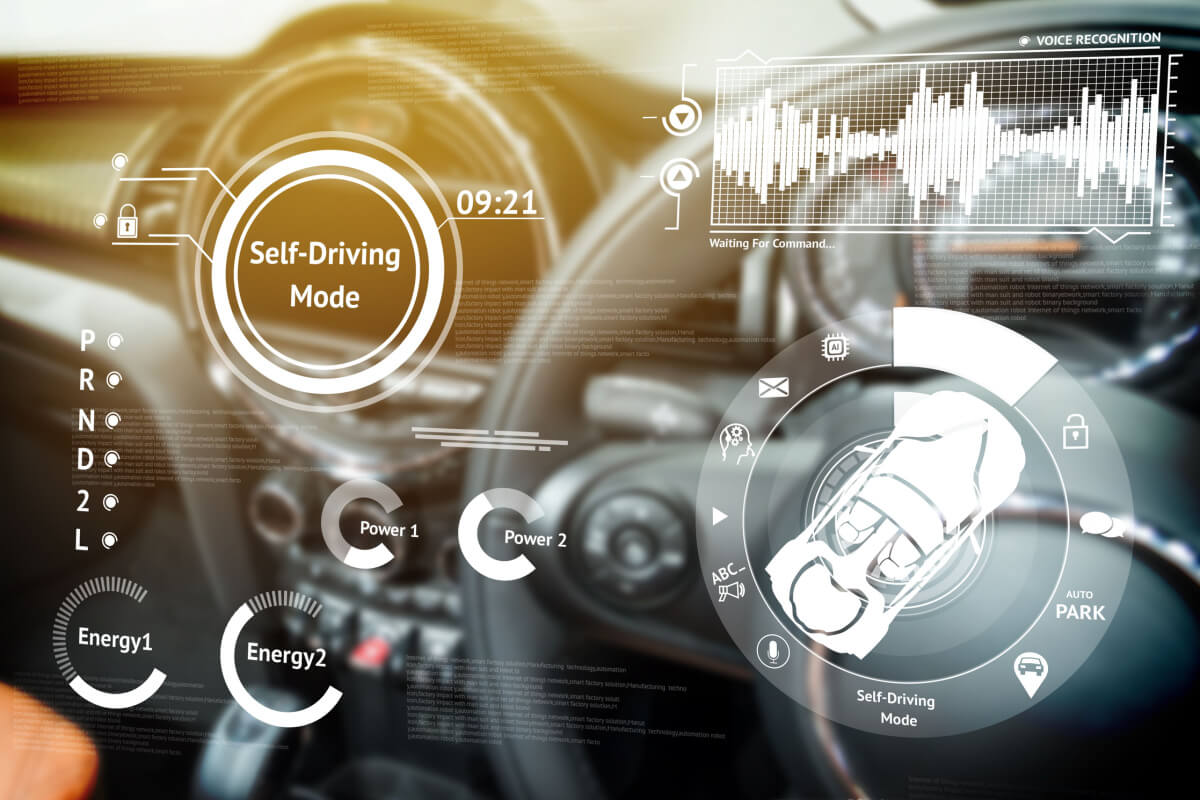
Self-driving cars are already operating on Nevada roads. In fact, Nevada became the first state in the nation to legalize autonomous vehicles in 2011, and Las Vegas has remained a major hub for testing and deployment.
As the technology becomes more common, questions about safety, regulation, and liability continue to grow. This article explains Nevada’s self-driving car laws, who may be responsible when an autonomous vehicle is involved in a crash, and what steps injured victims should take afterward.
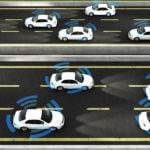
Nevada is still one of the main testing grounds for autonomous vehicles in the United States. In Las Vegas, robotaxi and autonomous delivery services have moved beyond small pilots and into wider real-world testing across selected areas of the city.
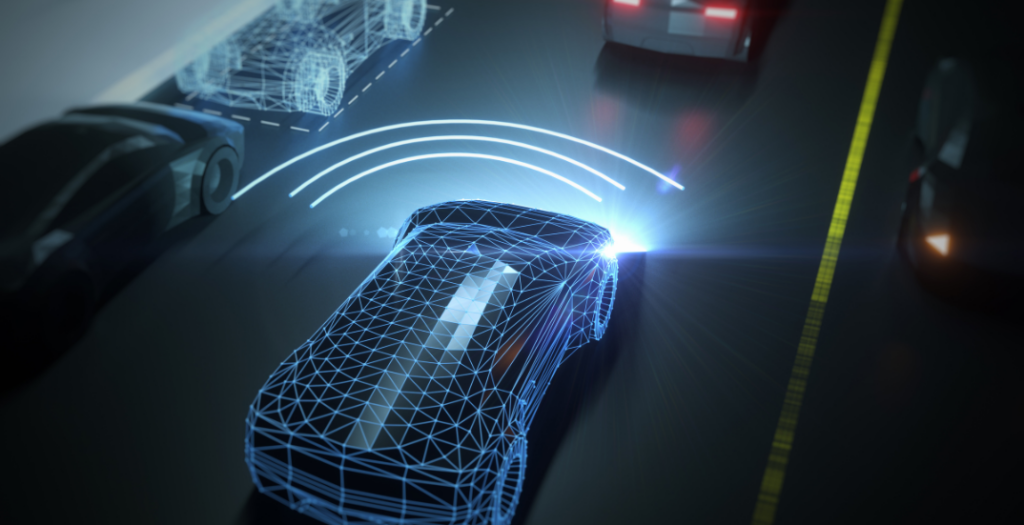
Companies such as Waymo and Zoox have been active in the region, operating and testing driverless vehicles on mapped routes within parts of the Las Vegas Valley. These vehicles use sensors, cameras, and onboard systems to navigate city traffic without a human driver actively controlling the car.
Autonomous delivery services have also started appearing in limited zones, showing how quickly the technology is expanding beyond ride-hailing into everyday logistics.
As more of these vehicles enter public roads, the legal questions are becoming harder to ignore. Nevada law continues to develop around safety standards, insurance requirements, and liability rules, especially in situations where autonomous vehicles share the road with human drivers.
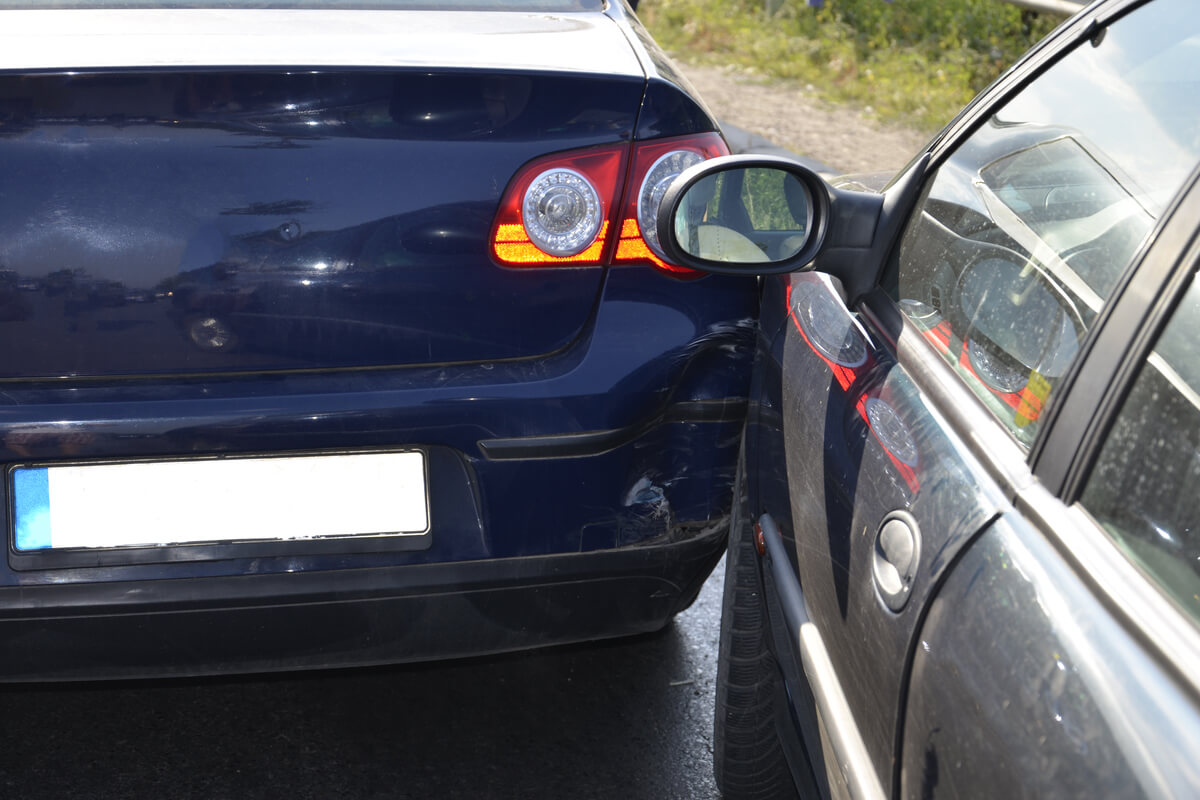
Liability in an autonomous-vehicle crash is more complex than in an ordinary one, because more than one party may be responsible:
For fully driverless vehicles, responsibility generally shifts away from any human ‘driver’ toward the company operating the vehicle and its insurer. (See our related guide on self-driving car accidents.)
Nevada follows a modified comparative negligence rule under NRS 41.141. If you are partly responsible for an accident involving an autonomous vehicle, you can still recover damages as long as you are 50% or less at fault. Your compensation is reduced by your percentage of fault.
For example, if your total damages are $100,000 and you are found 20% at fault, you would recover $80,000.
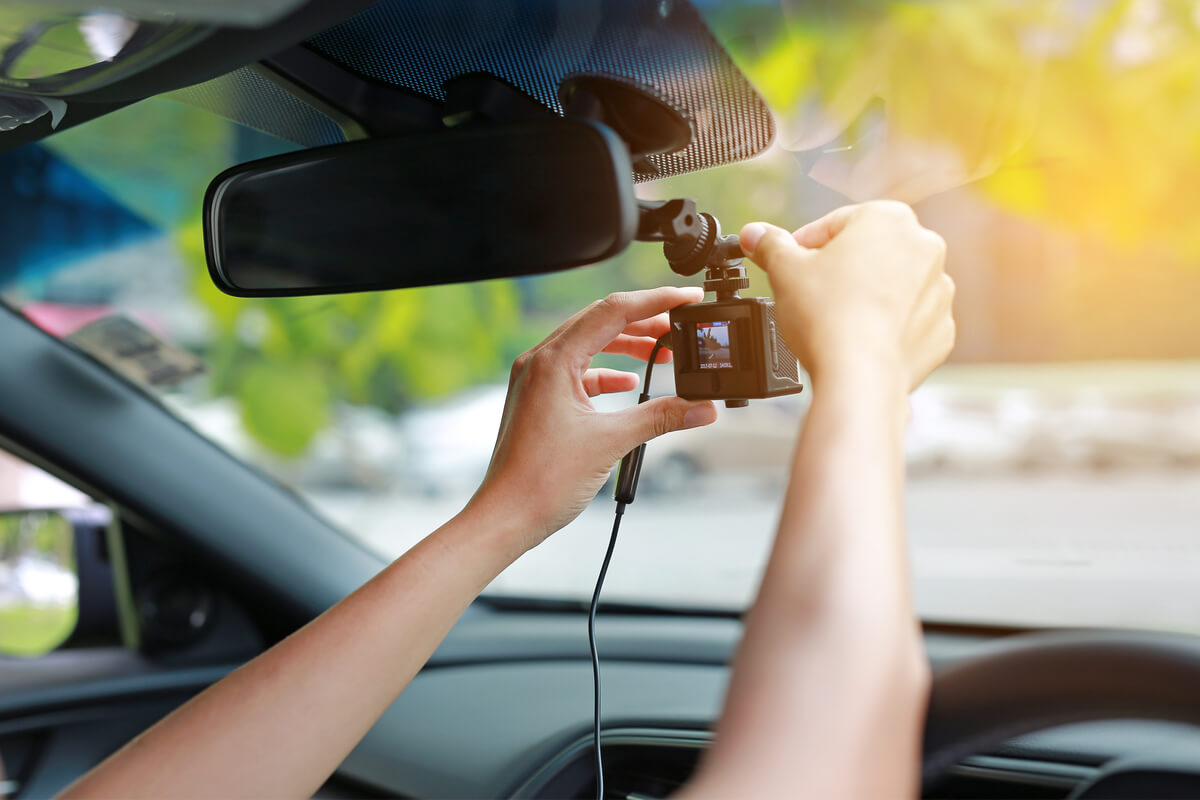
Self-driving vehicles generate detailed data about their operation. This can include speed, braking patterns, steering inputs, sensor readings, camera footage, and event data recorder information.
In many cases, this data becomes the most important evidence in understanding what happened. However, it is usually controlled by the manufacturer or operating company and may not be stored indefinitely.
For that reason, legal teams often act quickly to send preservation requests to prevent key data from being overwritten or deleted. Attorneys may also work with engineering experts to analyze whether the crash was caused by human error, system failure, or a software issue.
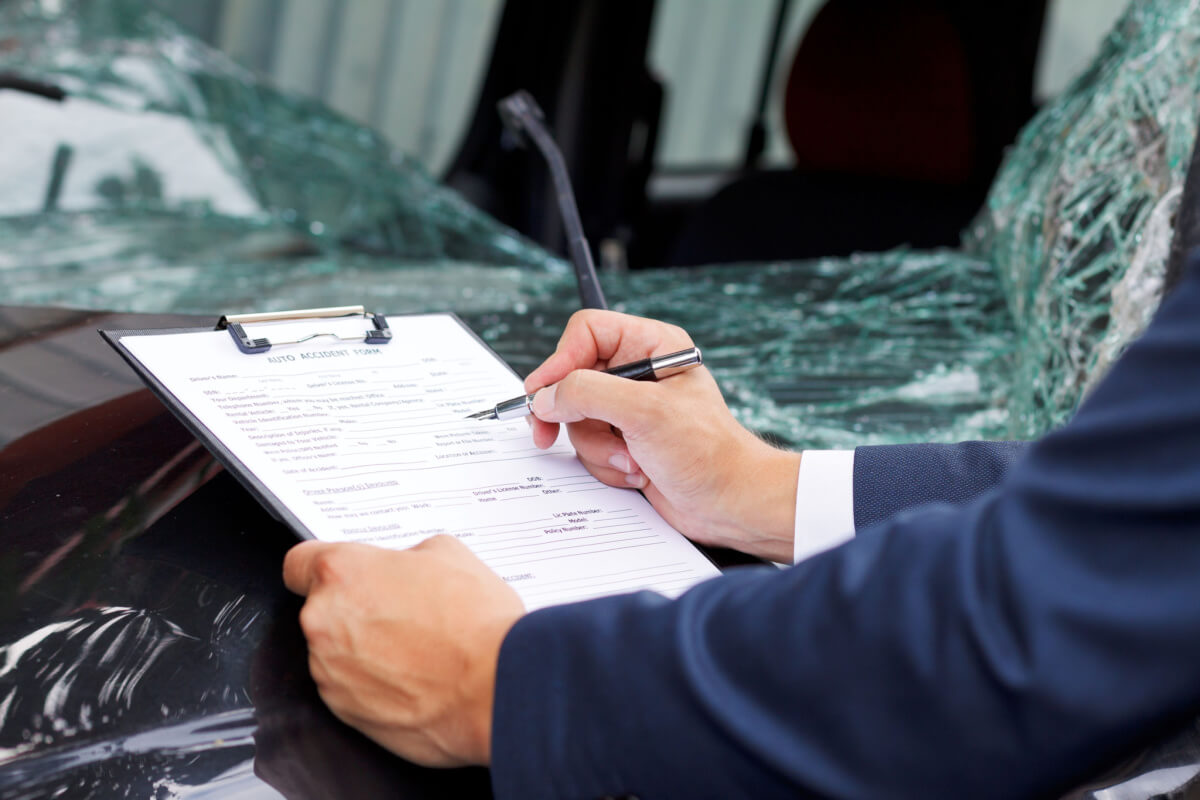
Nevada law requires a crash report when an accident results in injury, death, or significant property damage (generally over $750). In most cases, a police report should also be filed at the scene or shortly after.
Separate from reporting requirements is the legal deadline to bring a claim. In most personal injury cases, you have two years from the date of the crash to file a lawsuit under NRS 11.190.
Because evidence can disappear over time, it is important to act early. Vehicle data, surveillance footage, and witness recollections may become harder to obtain over time.
Take the same core steps as any crash, with one addition for autonomous vehicles:
Yes. Nevada was the first state to legalize autonomous vehicles and allow higher-level self-driving cars on public roads under NRS Chapter 482A, subject to DMV registration and a $5 million insurance requirement.
It depends on the cause. The human operator, the manufacturer (for a defect), the software developer (for a malfunction), or the company operating a driverless vehicle. Often more than one is responsible.
Yes. If you are in control of a vehicle while impaired, you can face a DUI even in a semi-autonomous car. Fully driverless operation is a developing area of law.
Generally two years from the date of the crash under NRS 11.190, with a shorter deadline if a government entity is involved.
Get medical care, call the police, photograph the vehicle and its markings, and contact a lawyer quickly so the vehicle’s data can be preserved. Your claim is generally against the operating company.
Nevada uses modified comparative negligence (NRS 41.141). You can recover as long as you’re 50% or less at fault, with your award reduced by your share of fault.
No license is needed to be a passenger in a fully driverless robotaxi, though rules continue to evolve as these services expand.
Key evidence often comes from the vehicle itself, including event data recorder logs, sensor and camera data, and software records. These materials are typically controlled by the manufacturer or operating company.
Nevada continues to lead in autonomous-vehicle innovation, but liability after a crash remains a complex, evolving area. If you or a loved one was hurt in a crash involving a self-driving car, Gina Corena & Associates can help you understand your rights and move fast to preserve the evidence.
Contact us for a free consultation.

As founder of Gina Corena & Associates, she is dedicated to fighting for the rights of the people who suffer life-changing personal injuries in car, truck and motorcycle accidents as well as other types of personal injury. Gina feels fortunate to serve the Nevada community and hold wrongdoers accountable for their harm to her clients.