GET A FREE CONSULTATION
(702) 680-1111
Founding Member & Managing Partner at Gina Corena & Associates
Practice Areas: Personal Injury
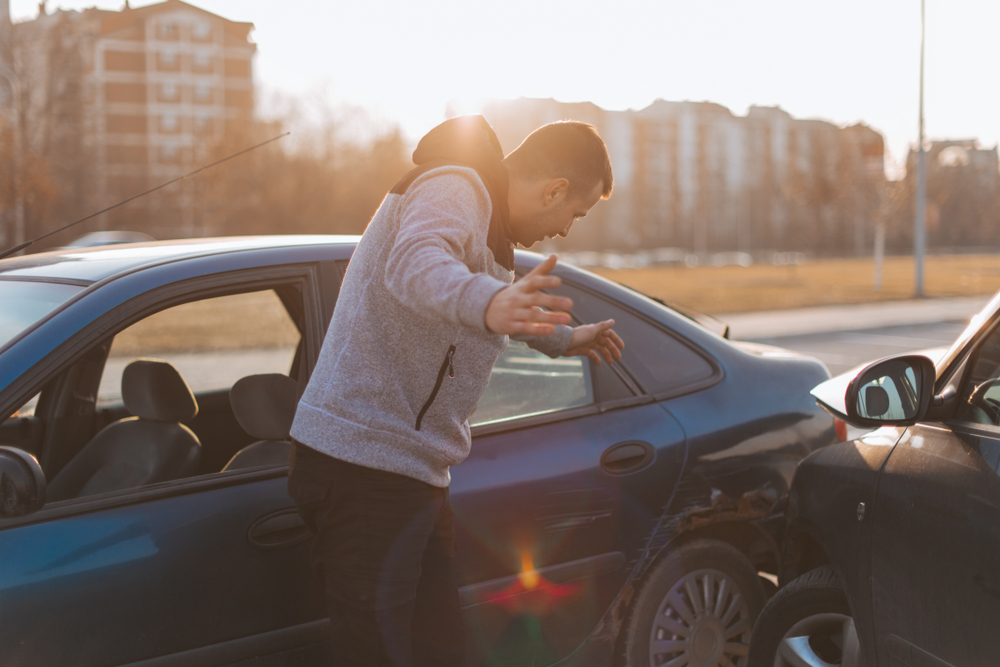
Sun glare is a familiar driving hazard in Las Vegas, especially in spring and late summer. Along east-west routes, the sun can line up directly with traffic during morning and evening commute hours, making it harder to see brake lights, pedestrians, signals, and vehicles ahead.
These crashes are not always random. They tend to happen during predictable time windows and on specific types of roads. If you were injured in a glare-related crash, a Las Vegas personal injury lawyer can help review how visibility, road direction, driver behavior, and Nevada fault rules may affect your claim.
Bright sunlight can temporarily reduce a driver’s ability to see ahead. When light hits the eyes directly, the pupils contract, contrast drops, and objects in the roadway may become difficult to recognize for several seconds.
Las Vegas has conditions that make this worse. Wide east-west roads such as Flamingo Road, Tropicana Avenue, Sahara Avenue, and I-11 can place drivers directly in the sun’s path at sunrise or sunset. The open desert setting also means less shade from trees or tall buildings compared with denser cities.
The result is a recurring visibility problem. At certain times of day and year, many drivers on the same route may encounter the same glare at once.
Sun glare crashes are most likely during the spring and fall equinoxes, as well as during the first and last hours of daylight throughout the year.
The two strongest seasonal windows are:
During those weeks, the sun aligns more directly with east-west roads. Morning commuters heading east toward Henderson and evening commuters heading west toward Summerlin can face especially harsh glare.
Late-summer desert haze can add to the issue. Instead of blocking the sun, haze can spread light, creating a washed-out glare that is harder for the eyes to adjust to.
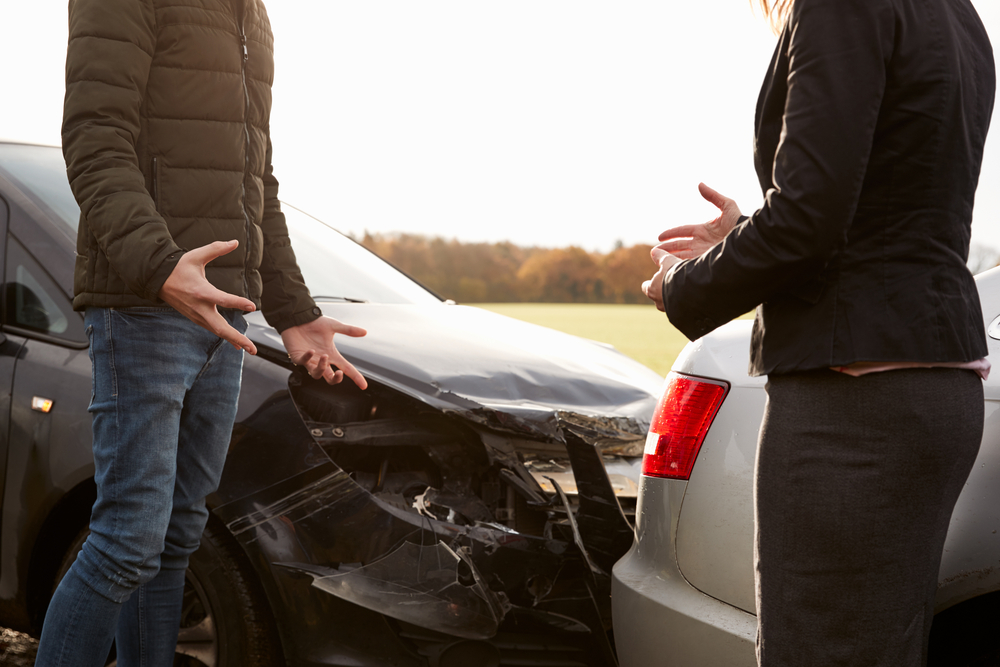
Nevada law treats sun glare as a factor that drivers are expected to anticipate, not a complete defense against liability. The Nevada Supreme Court addressed this issue in Johnson v. Brown (1961). The court recognized that a driver temporarily blinded by glare may still be at fault if they failed to use reasonable care.
“A driver is at fault for a car accident after they did something careless to cause it, and sun glare does not automatically excuse otherwise negligent driving.” — Johnson v. Brown (1961), Nevada Supreme Court framing
In practical terms, a driver cannot avoid responsibility simply by saying the sun was in their eyes. The question is whether they adjusted for the condition by slowing down, increasing following distance, watching the roadway carefully, or taking other reasonable precautions.
Nevada uses a modified comparative negligence rule. Under NRS 41.141, an injured person can recover damages if they are less than 50% at fault. Their recovery is reduced by the percentage of fault attributed to them. If they are 50% or more responsible, they cannot recover.
That rule matters in sun glare cases because both drivers’ actions may be reviewed. The insurer may ask whether the injured person was driving too fast, following too closely, failing to use a visor, or ignoring a known glare window.
Evidence that shows you acted reasonably can help limit a comparative-fault argument. In these cases, small details often affect how the fault is divided.
A glare-related claim often depends on proving what visibility was like at the exact time and place of the crash.
Useful evidence may include:
Time and direction are especially important. For example, a report showing “westbound on Flamingo at 6:47 p.m. in late September” can be compared with public sun-position data to confirm whether glare was likely affecting drivers at that moment. Without this information, it becomes harder to prove how much glare contributed to the crash.
Glare cannot always be avoided, but drivers can take reasonable steps to reduce the danger.
Practical precautions include:
These steps matter for safety. They may also matter later if a claim examines whether a driver acted reasonably in known glare conditions.
|
What’s distinctive |
Why it matters |
| Equinox-aligned sun on east-west arterials | Predictable high-risk windows each spring and fall |
| First and last hour of daylight year-round | Peak glare exposure on commute routes |
| Wide E-W arterials (I-11, Flamingo, Tropicana, Sahara) | Direct sun alignment with roadway |
| Desert terrain, limited tree/building buffer | Unfiltered sun reaches driver’s eye |
| Nevada treats glare as factor, not defense | *Johnson v. Brown* (1961) framing |
| Modified comparative negligence 50% bar | Fault allocation central to recovery |
Sun glare is usually worst around the spring and fall equinox periods, roughly mid-March to early April and mid-September to early October. It is also common during the first and last hour of daylight, especially on east-west roads.
No. Sun glare is not a complete defense. Under Johnson v. Brown (1961), a driver may still be at fault if they failed to use reasonable care. Nevada drivers are expected to adjust to predictable visibility problems.
Yes. Under NRS 41.141, recovery is reduced by the injured person’s share of fault and is barred if the injured person is 50% or more at fault. Speed, following distance, attention, and reasonable precautions may all be reviewed.
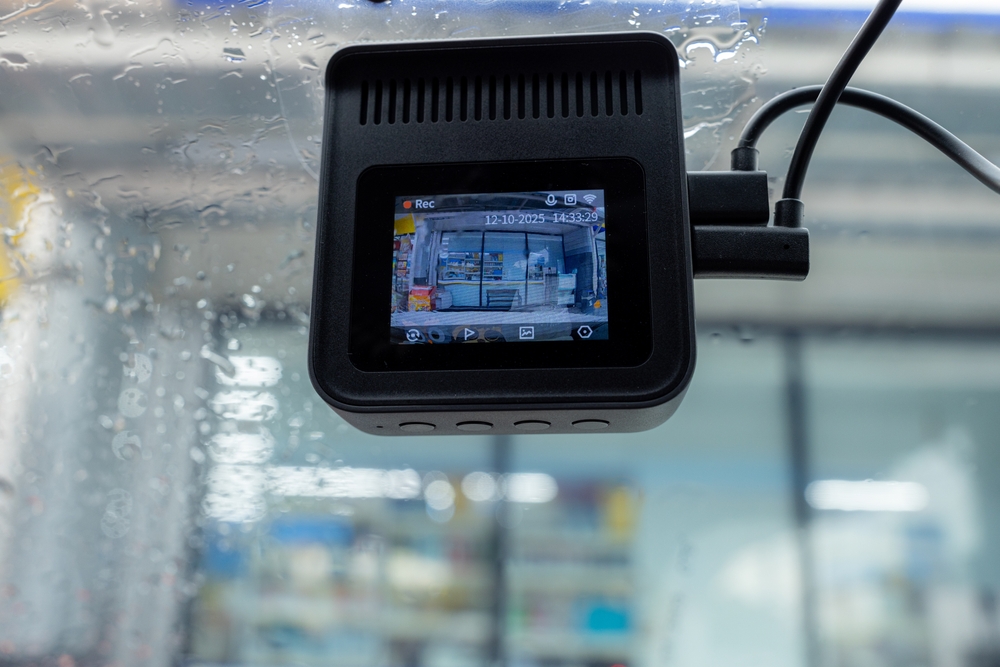
A dashcam is not legally required, but it can help in a glare-related crash. Footage may show the sun’s position, traffic movement, impact sequence, and what each driver could likely see.
NRS 11.190 gives Nevada personal injury victims 2 years from the date of the crash to file a lawsuit. Property damage claims have a three-year limit. Missing these deadlines can prevent legal action.
Sun glare crashes in Las Vegas tend to follow predictable patterns. They often occur on east-west roads during equinoxes or during the first and last hours of daylight. Nevada law does not treat glare as a full defense. Drivers are still expected to adjust for conditions and use reasonable care.
If you were hurt in a glare-related crash on Flamingo, Tropicana, I-11, Sahara, or another Las Vegas route, Gina Corena & Associates can review the crash facts, fault issues, and evidence that may affect your claim.

As founder of Gina Corena & Associates, she is dedicated to fighting for the rights of the people who suffer life-changing personal injuries in car, truck and motorcycle accidents as well as other types of personal injury. Gina feels fortunate to serve the Nevada community and hold wrongdoers accountable for their harm to her clients.