GET A FREE CONSULTATION
(702) 680-1111

Founding Member & Managing Partner at Gina Corena & Associates
Practice Areas: Personal Injury

A car accident on private property can be just as serious as a crash on a public road. Parking lots, apartment complexes, shopping centers, warehouses, and delivery areas often have their own traffic patterns and risks.
Many people assume that if an accident happens on private property, normal accident rules do not apply or no one can be held responsible. That is not true.
Nevada drivers still have a responsibility to operate vehicles safely and avoid harming others. If someone’s careless actions cause injuries or property damage, the injured person may have the right to seek compensation.
A Las Vegas vehicle collision attorney can review the evidence, determine how fault may apply, and help deal with insurance companies when responsibility is disputed.
Private property accidents can be different from crashes on public roads, but drivers are still expected to use reasonable care.
Drivers should watch for other cars and pedestrians when they:
A driver who ignores these basic safety rules and causes a crash may be held responsible. The location of the accident does not prevent you from filing an insurance claim. Fault is based on each driver’s actions, not simply on whether the crash happened on private property.
Private property crashes can happen in many locations, including:
The cause can vary from one crash to another. Some common problems include:
Where the crash happened and what caused it can both affect who may be responsible.
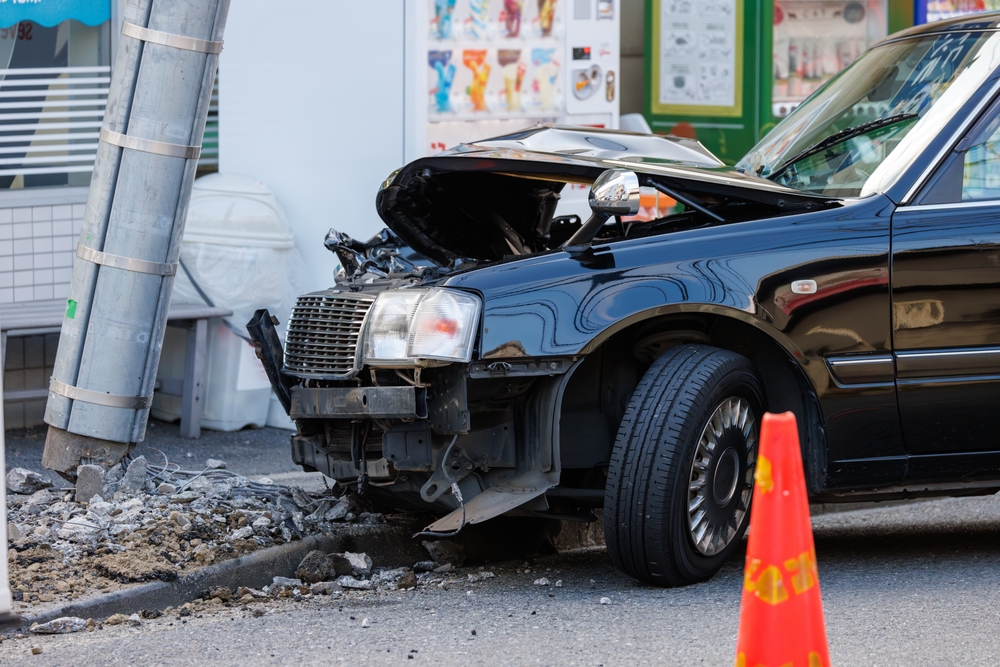
Truck crashes can happen at warehouses, loading docks, delivery areas, and construction sites. Responsibility may extend beyond the truck driver.
Depending on what happened, it could involve the trucking company, delivery company, property owner, or maintenance company. Security footage, driver records, inspection reports, and other records can help show what caused the crash and who may be responsible.
A truck crash may involve several people or companies, not just the driver.
Police may not come to every parking lot crash. Minor crashes without injuries may be handled privately. Call 911 when someone is hurt, or there is an emergency. Nevada drivers may also have to file an SR-1 with the DMV within 10 days when a crash involves an injury, death, or property damage above the reporting limit.
You can still make an insurance claim without a police report. In that situation, your own evidence becomes even more important. Take photos, get witness information, and exchange insurance details with the other driver.
Parking lots can be confusing because they do not all have the same layout. Still, a few basic rules can help determine who may be at fault.
These are not automatic rules for every crash. The accident details still matter. The damage to each vehicle can also help show what happened. Read our guide on determining fault by the location of damage to learn more.
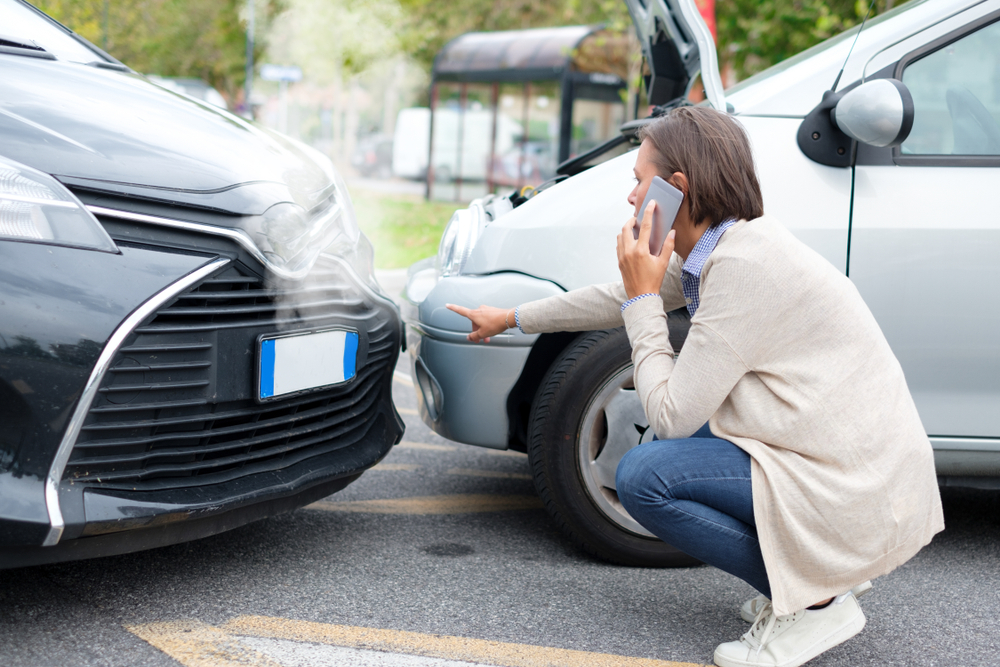
A parking lot crash may not have a police report, so collect your own evidence at the scene.
Take photos of:
Get the other driver’s name, license plate, and insurance information. Also ask witnesses for their contact details.
Check for security cameras and save any dashcam footage. Our guides explain how surveillance footage can help and how dashcam footage can be used.
Good evidence can help show what happened when there is no police report.

A parking lot accident is generally handled the same way as any other car accident. Nevada is an at-fault state, so the driver who caused the crash is typically responsible for the resulting damage and injuries.
Nevada drivers must carry minimum liability insurance of 25/50/20, although more than one policy may apply if the at-fault driver is uninsured or leaves the scene.
Nevada also follows a modified comparative negligence rule. You can still recover compensation as long as you are not more than 50% at fault, but your share of the blame reduces your recovery. Because parking lot accidents often involve conflicting stories, strong evidence can make a significant difference.
Some traffic rules may apply, but drivers still have to use reasonable care. A careless driver can be held responsible for causing a crash on private property.
Police may not respond to a minor crash with no injuries. Call 911 when someone is hurt, and collect photos, witness details, and insurance information.
Fault depends on what each driver was doing. A driver backing out or pulling into a lane may be at fault for failing to yield to moving traffic.
Yes. Auto insurance can cover parking lot crashes. The at-fault driver’s policy may pay for your losses, while your own coverage may help in some situations.
Get the license plate and vehicle description, then look for witnesses or security cameras. Report the crash and check whether uninsured motorist coverage applies.
If you were hurt in a parking lot or other private property crash, do not assume nothing can be done just because the police did not file a report. The team at Gina Corena & Associates can help you track down the footage and witnesses that prove what happened and deal with the insurance company on your behalf.
Call (702) 359-7155 any time, day or night, for a free consultation in English or Spanish. You pay no fee unless we win. You can also reach out through our contact page to get started.
Reviewed by Gina M. Corena, founding attorney at Gina Corena & Associates.

As founder of Gina Corena & Associates, she is dedicated to fighting for the rights of the people who suffer life-changing personal injuries in car, truck and motorcycle accidents as well as other types of personal injury. Gina feels fortunate to serve the Nevada community and hold wrongdoers accountable for their harm to her clients.