GET A FREE CONSULTATION
(702) 680-1111
Founding Member & Managing Partner at Gina Corena & Associates
Practice Areas: Personal Injury
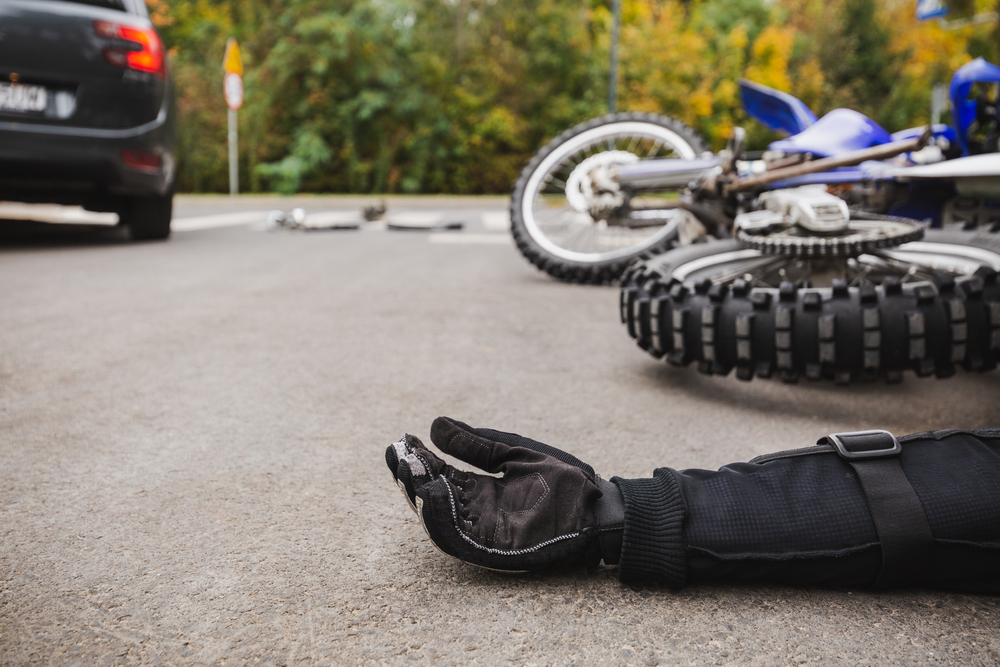
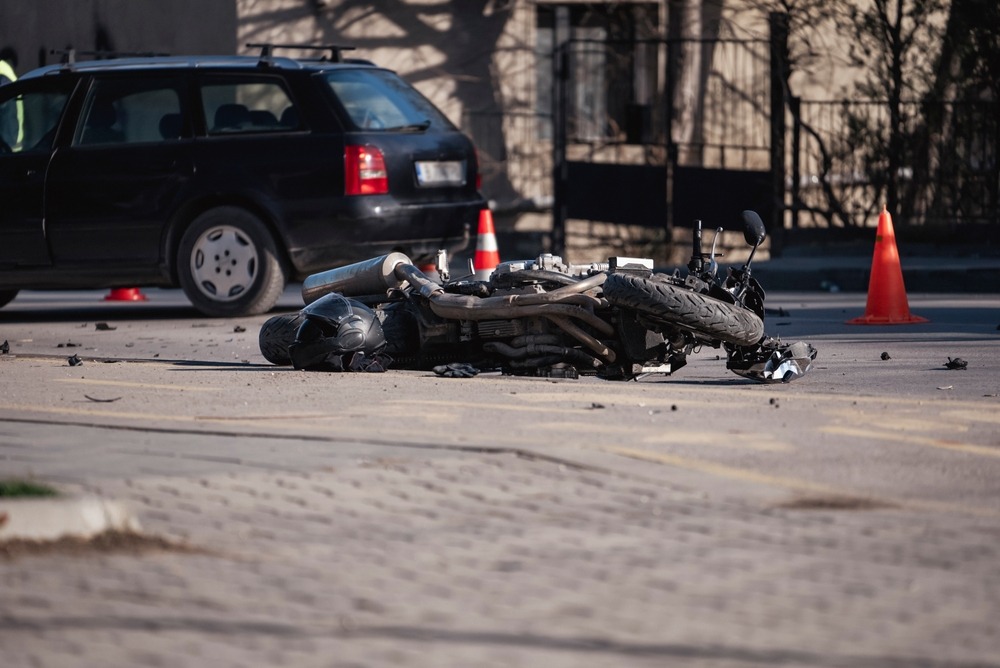
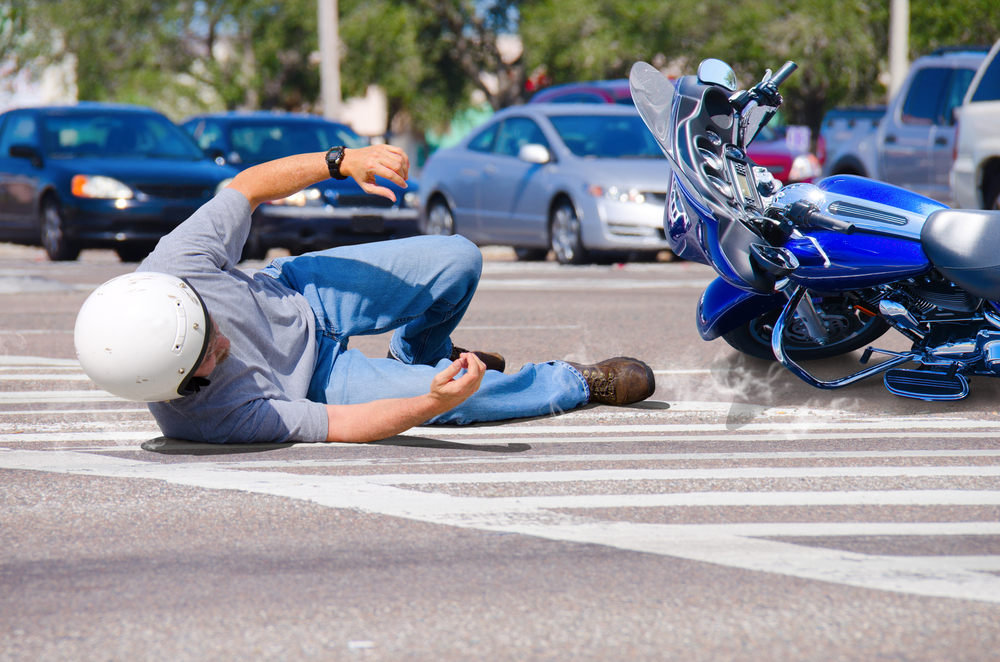
You are riding on the 215 when a car moves into your lane. You swerve, lose control, and hit the road. The car never touches your bike and does not stop.
Many riders assume their uninsured motorist coverage will handle the claim. Nevada law is not that simple. The key question is whether anyone can identify the driver who forced you off the road.
If the driver is found, you can bring a normal negligence claim. The vehicles did not need to touch. If the driver remains unknown, Nevada’s uninsured motorist law usually requires physical contact.
NRS 690B.020 covers vehicles whose owners or drivers cannot be found after reasonable efforts. For that unknown-driver coverage to apply, the injury or death must result from physical contact involving the insured. The crash must also be reported to the authorities in a timely manner.
The Nevada Supreme Court applied this rule in Kern v. Nevada Insurance Guaranty Association, 109 Nev. 752, 856 P.2d 1390 (1993). An unknown driver spilled an oily substance on the road. Another driver slid on it and crashed without touching the unknown vehicle.
The court denied uninsured motorist coverage. It found that Nevada law clearly required physical contact when the responsible driver could not be identified.
This rule is meant to prevent false claims involving invented “phantom vehicles.” It does not apply simply because two vehicles failed to touch.
The real issue is whether the other driver has been identified. Once you know who caused the crash, the physical contact rule drops out.
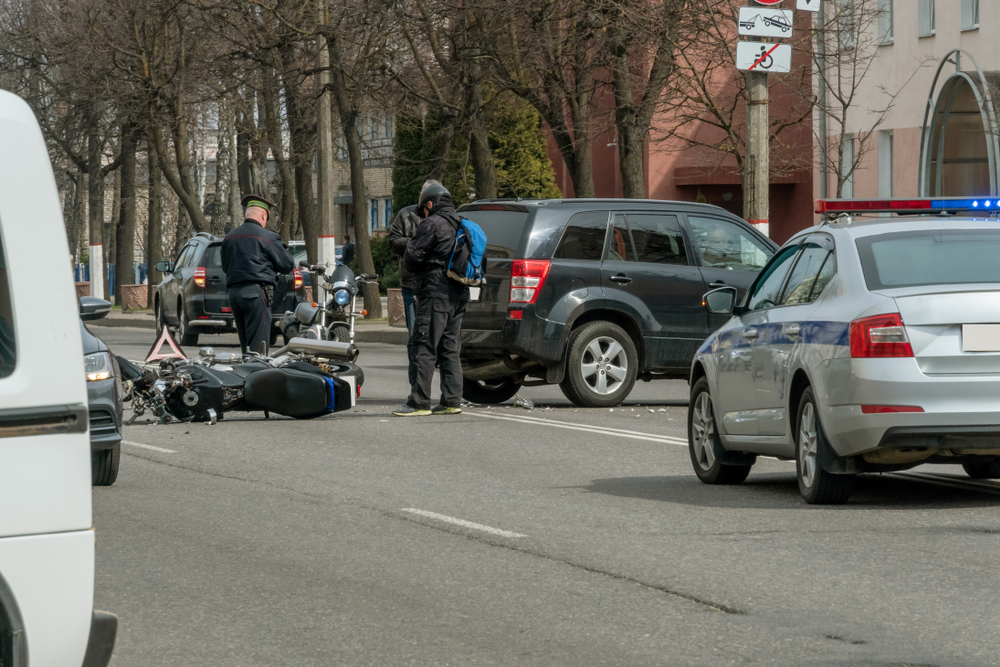
A no-contact crash does not always leave the rider without options.
|
Scenario |
Is Contact Required? |
Possible Claim |
| Driver identified, no contact | No | Claim against the driver and insurer |
| Driver unknown, no contact | Required but missing | Statutory UM claim may be blocked; check the policy |
| Driver unknown, contact occurred | Yes, and satisfied | Possible UM claim if reported on time |
| Unknown vehicle hits a car that hits you | Depends on the facts | UM review and possible claim against the middle driver |
| Road defect or fallen debris | Not applicable | Claim against the party responsible for the hazard |
Do not rule out a claim before reviewing the crash sequence, available video, and the exact policy wording.
If the driver leaves, start looking for evidence right away. Security footage does not stay around forever, and some cameras may record over old footage within days or weeks.
Nevada law can require a timely report for an unknown-driver claim under NRS 690B.020, so waiting could create a problem with the insurer later.
In the first 48 hours:
Even a partial plate or clear photo can make it much easier to track down the driver.

Finding the driver solves the identification problem. It does not end the dispute over fault. The insurer may argue that the rider was speeding, reacted too sharply, braked the wrong way, or had enough room to avoid falling. No-contact crashes often bring these arguments because the other vehicle has little or no visible damage.
Nevada uses modified comparative negligence under NRS 41.141. A rider may recover as long as their fault is not greater than the defendant’s. At 50% fault, the rider can recover half of the damages. At 51%, recovery is barred.
Video and crash reconstruction are useful for both parts of the case. They may help identify the driver and show that the rider’s reaction was reasonable.
NRS 11.190 generally gives an injured person two years from the date of injury to file suit in Nevada. The legal deadline may be two years, but camera footage and witness leads can disappear much sooner.
If you can identify the driver who caused the crash, you may still have a claim even without physical contact. If the driver cannot be identified, uninsured motorist coverage may apply.
That makes identification harder. A general description may not be enough to find the driver, which is why nearby camera footage should be requested as soon as possible.
Under Nevada’s statutory minimum, usually not when there was no physical contact. Your policy may provide broader coverage, so its wording should be reviewed. Our guide to Nevada uninsured motorist coverage explains how this protection works.
The insurer may argue that the rider overreacted or handled the bike poorly. That does not automatically end the claim. Video, witness statements, and reconstruction evidence may show that laying the bike down was a reasonable response to an immediate danger.
A no-contact motorcycle crash is not automatically a lost claim. The first goal is to find the driver. Once that happens, the lack of contact usually stops being an issue.
When the driver remains unknown, NRS 690B.020 may block the standard uninsured motorist route. The policy itself, indirect contact, or another responsible party may still provide a path forward.
If a driver forced you off the road and kept going, Gina Corena & Associates can begin looking for camera footage and reviewing the available coverage before key evidence disappears. The firm handles Las Vegas motorcycle accident claims and offers free case reviews.

As founder of Gina Corena & Associates, she is dedicated to fighting for the rights of the people who suffer life-changing personal injuries in car, truck and motorcycle accidents as well as other types of personal injury. Gina feels fortunate to serve the Nevada community and hold wrongdoers accountable for their harm to her clients.