GET A FREE CONSULTATION
(702) 680-1111
Insurance companies move fast after a crash. If you’re not prepared early, the first version of your claim often becomes the one they stick with. Get legal guidance early and protect the value of your claim.
Free Consultation
After a crash, things move quickly. Reports get written, insurance companies start reaching out, and you’re usually dealing with injuries at the same time you’re trying to understand what actually happened. It’s a lot happening at once, and most people are still in the middle of it when the case starts forming around them.
We represent injured drivers, passengers, and families across Douglas County, including those involved in crashes on US-395, US-50, and the Kingsbury Grade. These are busy routes with a mix of local and through traffic, and serious injuries are common when something goes wrong at speed or on steep grades.
From there, we take over the case. We obtain the crash report, gather medical records, and deal directly with the insurance company so you are not pulled into constant calls and paperwork while you recover.
Gina Corena & Associates works on a contingency basis. The consultation is free, and you do not pay unless we win.
$1,040,000
$1,023,006.92
$1,010,000
$1,010,000
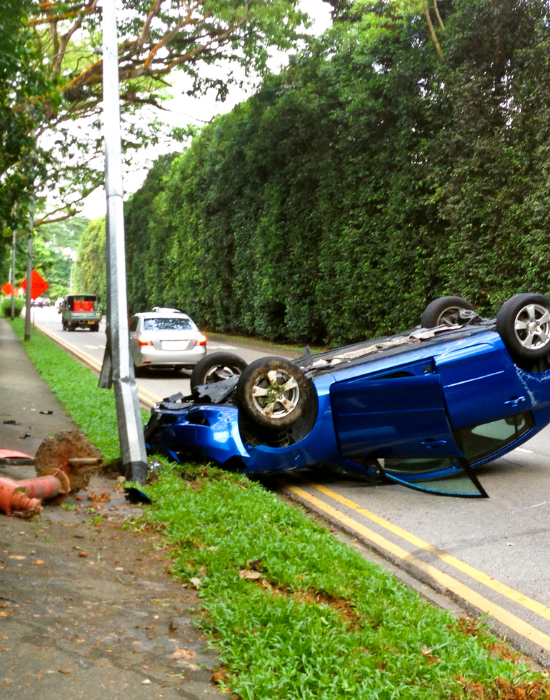
Most of it comes down to people not driving the way the road actually demands in that moment. Too fast, not fully paying attention, or assuming the other driver will do something they don’t.
Impaired driving is a common factor in serious crashes across Nevada. So does speeding, especially on open stretches where it feels easier to push it than it should.
What we see most often:
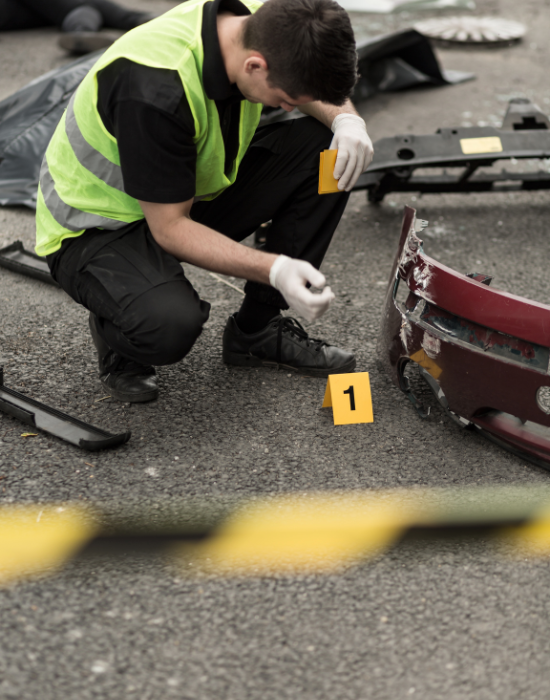
After the crash, what matters most is what can actually be backed up later. Reports, witnesses, and physical evidence from the scene help shape the true version of events.
Call 911 and get medical help first. After a crash, things tend to move fast, and having responders on scene helps with safety and how the incident is officially documented.
Even if you feel fine, still get checked by a doctor. A lot of injuries don’t show up right away, especially once the shock fades and your body settles. Local emergency care in the area is handled through Carson Valley Health in Gardnerville, with more serious cases transferred to Reno if needed.
If you can, take photos, get the other driver’s information, and note anything that might matter later. Insurance companies often reach out early, and it’s usually better not to give recorded statements before you’ve had a chance to understand your options.
Nevada is a fault state that uses modified comparative negligence (NRS 41.141). The math is simple. If a jury awards you $100,000 but finds you 20 percent at fault for speeding, you collect $80,000. You can still recover as long as you are 50 percent or less at fault. Cross to 51 percent, and you collect nothing.
Nevada’s minimum insurance is low. Drivers must carry 25/50/20 coverage (NRS 485.185), and that rarely covers a serious injury. Roughly 1 in 10 Nevada drivers has no insurance. This is why your own uninsured motorist claim can become the policy that actually pays.
The catch? The clock. You generally have two years from the date of the crash to file (NRS 11.190), and waiting too long lets a court throw out an otherwise strong case before anyone hears it.
Three recent laws changed the rules for specific crashes. A 2025 special-session law, Assembly Bill 4, raised the penalties for impaired driving that kills or injures, effective at the start of 2026. If a rental-car driver hit you, Senate Bill 194 now requires rental companies to verify insurance. If a rideshare driver hit you, Assembly Bill 523 sets a $1 million coverage floor during a trip.

We have fought for injured Nevadans since 2013. Gina Corena founded this firm and still chairs its litigation department. Named “Top 40 Under 40” by the American Society of Legal Advocates. Recognized among the “Ten Best Attorneys” in Nevada by the American Institute of Personal Injury Attorneys.
The same Nevada law governs every county in the state. Douglas County injury claims are generally filed in the Ninth Judicial District Court in Minden, and the comparative-fault rules, deadlines, and insurance requirements we apply there are the ones we work with every day. That experience shapes how we build and value a case.
You get a real attorney, not a voicemail. Our Las Vegas office answers the phone around the clock, in English and Spanish, and we work on contingency. The first consultation is free. You pay nothing unless we win.



Douglas County recorded two traffic deaths in 2025, the same as the year before, while Nevada reported 381 statewide (Nevada Office of Traffic Safety, preliminary). The county’s numbers are small compared to larger areas, but they still reflect serious crashes that tend to happen in specific places rather than spread evenly.
Nevada’s fatality rate remains higher than the national average, at 1.49 deaths per 100 million miles driven in 2024, compared to 1.2 nationally (TRIP, 2025).
In Douglas County, serious crashes are more common on US-395 through the valley, the SR-207 Kingsbury Grade, and US-50 toward Spooner Summit, where traffic, elevation, and speed changes come together.
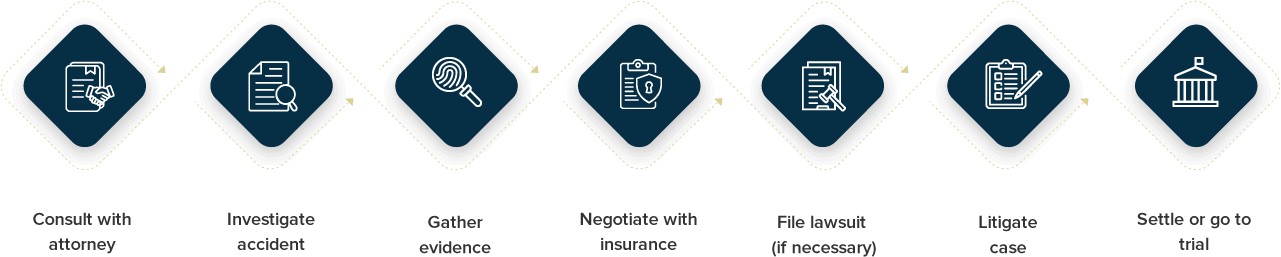
Most cases start with a conversation about what happened and whether there’s a valid claim. It’s usually a mix of reviewing the crash, the injuries, and what’s already been done with medical care and insurance.
From there, the focus shifts to building the case. That includes pulling the crash report, gathering medical records and bills, and putting together a clear record of losses. Once that picture is complete, the insurance company is given a demand based on evidence, not estimates or early assumptions.
A lot of cases resolve at that point. If they don’t, the case moves into litigation. Filing suit changes how seriously the claim is taken, especially when the insurer knows it may end up in front of a jury.

The experience of our attorneys ranges from insurance and commercial law to personal injury and other areas which give our team an unmatched ability to reach a favorable outcome in your case. We handle each matter with accountability and responsiveness, as if we were representing ourselves.
Two years from the date of the crash, in most cases (NRS 11.190). A few situations shorten that window, and claims against a government entity have extra steps. Talk to a lawyer early so a deadline never decides your case for you.
You can still recover, as long as you were 50 percent or less at fault. Nevada reduces your award based on your share of the blame (NRS 41.141). At 51 percent or more, you recover nothing. That is why insurers work so hard to pin fault on you.
Nothing up front. We work on a contingency fee, so you pay only if we recover money for you, and the first consultation is always free.
Often, no. The state minimum is $25,000 per person (NRS 485.185), which a single emergency-room visit can exceed. About 1 in 10 Nevada drivers has no insurance at all, so uninsured and underinsured motorist coverage is your safety net.
It depends on the road. The Douglas County Sheriff’s Office handles local streets in Minden, Gardnerville, and the valley. The Nevada Highway Patrol handles US-395, US-50, and the SR-207 Kingsbury Grade. Request your report from the agency that responded.
No. Nevada places no cap on damages in an ordinary car accident case (NRS 41A caps apply only to medical malpractice). Government and punitive claims have their own limits, a point some websites get wrong.
You may have more coverage than you think. A 2025 law requires rental companies to verify insurance, and another sets a $1 million coverage floor for rideshare drivers during a trip. We identify every policy that applies.

Gina Corena founded Gina Corena & Associates to give injured Nevadans a legal team that fights for them, and she leads the firm's attorneys in a practice focused on personal injury law.
“Top 40 Under 40” attorney by the American Society of Legal Advocates
“Ten Best Attorneys” in Nevada