
GET A FREE CONSULTATION
(702) 680-1111
Neck injuries can lead to lasting pain and limited mobility. At Gina Corena & Associates, we help victims of neck injuries from accidents understand their legal options and fight for fair compensation, all while you focus on recovery.
Start Here
Neck injuries can be frustrating because they don’t always feel serious at first. Pain, stiffness, or limited movement may show up days later, and insurance companies often question how bad the injury really is. That can leave people unsure of what to do next.
At Gina Corena & Associates, our Las Vegas neck injury lawyer helps clients understand how neck injury claims work and what matters most early on. We take time to review medical records, listen to how the injury affects daily life, and explain options in clear, simple terms.
We also handle communication with insurance companies, which can help reduce stress and avoid common mistakes. Our goal is to help clients feel informed and supported while decisions are made and the claim moves forward.
If you’re unsure whether you have a claim, we offer a free consultation to review your situation and explain your options.
$1,040,000
$1,023,006.92
$1,010,000
$1,010,000
Neck injuries can happen in many different situations, not just major accidents. Even a sudden jolt or fall can strain the neck and lead to lasting pain or limited movement.
Some common causes of neck injuries in Las Vegas include:
The cause of a neck injury often affects how a claim is evaluated and what information matters most. A Las Vegas neck injury attorney can review how the injury happened and help explain next steps and available options.

After a neck injury, it’s common to feel unsure about what to do especially if symptoms seem mild at first. Taking a few simple steps early can help protect your health and avoid complications later.
If possible, it’s generally helpful to:
Neck injury claims often depend on timing and documentation. A Las Vegas neck injury attorney can help explain which steps matter most and how early decisions may affect your claim.

Neck injury claims are often questioned by insurance companies, especially when symptoms develop gradually or don’t show up clearly on imaging. In these situations, having guidance that focuses on the real impact of the injury can make a difference.
Clients choose Gina Corena & Associates because we take the time to understand how a neck injury affects daily life, not just what appears in medical records. We focus on clear explanations, realistic expectations, and helping clients make informed decisions at each stage.
Rather than rushing cases forward, we emphasize careful review and steady communication. Clients know when decisions are needed, what those decisions mean, and why certain steps are taken without pressure or unnecessary complexity.



Neck injuries are commonly reported after traffic collisions and falls across Nevada. According to data from the Nevada Department of Transportation and Nevada Department of Health and Human Services, soft-tissue and cervical injuries frequently appear in emergency and follow-up medical visits.
State and federal traffic safety data show that rear-end collisions are a leading cause of reported neck injuries. These crashes often occur at lower speeds, which can make injuries less visible immediately but still disruptive over time.
Public health reporting also notes that neck injuries may involve ongoing pain, limited mobility, and repeated treatment. These trends help explain why careful documentation and follow-up care matter, even when symptoms seem mild at first.
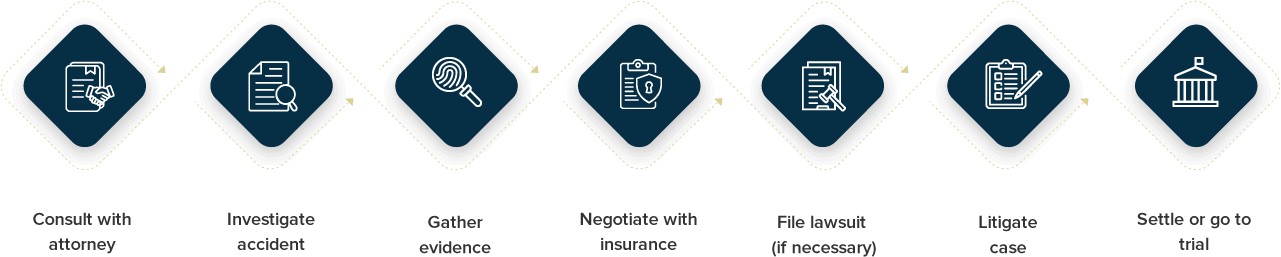
Neck injury claims often focus on how the injury happened, who may be responsible, and how the injury affects daily life. Medical records, treatment timelines, and consistency in reporting symptoms are commonly reviewed when evaluating these claims.
Insurance companies may look closely at neck injuries because they are sometimes labeled as minor or temporary. Documentation showing ongoing pain, treatment needs, and work limitations can help explain the true impact of the injury.
At Gina Corena & Associates, clients are guided through this process with straightforward explanations and realistic expectations. While every case follows its own timeline, understanding the process helps clients focus on recovery while legal matters progress.

The experience of our attorneys ranges from insurance and commercial law to personal injury and other areas which give our team an unmatched ability to reach a favorable outcome in your case. We handle each matter with accountability and responsiveness, as if we were representing ourselves.
Neck injuries can range from mild strains to more serious conditions that affect movement and daily activities. Even injuries that seem minor at first can worsen over time, which is why medical evaluation and proper documentation are important after any accident involving the neck.
Yes. Neck pain, stiffness, headaches, or reduced mobility may not show up right away. Delayed symptoms are common, especially after car accidents. A Las Vegas neck injury lawyer can help explain why timing matters and how delayed symptoms are handled in injury claims.
Depending on the situation, compensation may include medical expenses, lost income, treatment costs, and pain related to the injury. The amount depends on how the injury affects daily life, recovery time, and how the accident occurred under Nevada law.
In most cases, Nevada law allows two years from the date of the injury to file a personal injury claim. Missing this deadline may limit your legal options, which is why understanding timelines early can be helpful.
Neck injury claims are often questioned by insurance companies, especially when symptoms develop gradually. A Las Vegas neck injury attorney can help review medical records, explain how claims are evaluated, and guide you through decisions so you understand your options.

As a former las vegas car accident attorney, Ms. Corena has gained the experience and knowledge that many personal injury attorneys simply do not have access to.
“Top 40 Under 40” attorney by the American Society of Legal Advocates
“Ten Best Attorneys” in Nevada