
GET A FREE CONSULTATION
(702) 680-1111
At Gina Corena & Associates, we represent individuals injured at apartment complexes, hotels, parking garages, and other properties where safety measures may have been lacking.
Get Help Now
Negligent security cases happen when someone is hurt because a property was not kept reasonably safe. This may involve poor lighting, broken locks, lack of security staff, or other safety issues that made a crime more likely to happen.
At Gina Corena & Associates, we help clients understand whether a property owner may be responsible for what happened. Our role is to look at where the incident occurred, what safety measures were in place, and whether the risk could have been addressed before someone was hurt.
These cases can feel confusing because they often involve criminal acts and questions about who is responsible. We take time to explain how negligent security claims work and what factors may matter, using clear language rather than legal jargon.
Clients are guided through the process with straightforward explanations and steady support. Schedule a free consultation with a Las Vegas negligent security lawyer to discuss what happened and understand your legal options.
$1,040,000
$1,023,006.92
$1,010,000
$1,010,000
Negligent security issues often come up in everyday places where people expect to feel safe. When basic safety steps are missing, preventable incidents can happen.
Some common situations include:
Whether a situation involves negligent security depends on the location and the safety measures in place at the time. A Las Vegas negligent security lawyer can review these details and explain whether a property owner may have failed to keep the area reasonably safe.
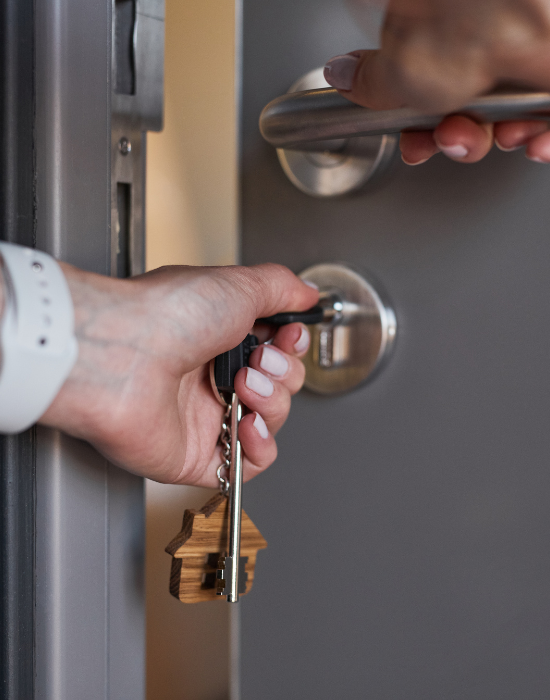
After an incident caused by unsafe conditions, it’s normal to feel shaken and unsure of what to do next. Taking a few basic steps early can help protect your health and avoid issues later.
If possible, consider the following:
Negligent security claims often involve questions about property conditions and responsibility. A Las Vegas negligent security attorney can help explain which details matter and what options may be available based on your situation.

Negligent security cases are not just about what happened, but whether it could have been prevented. These claims often involve property owners, insurance companies, and questions about safety measures that are not always easy to untangle.
Clients work with Gina Corena & Associates because we focus on clarity from the start. We take time to explain how negligent security claims work, what information matters, and what options may be available without rushing decisions or using legal jargon.
Instead of treating cases as one-size-fits-all, we look closely at the property, the conditions at the time of the incident, and how the situation unfolded. Clients are kept informed when decisions need to be made and know what to expect as the claim moves forward.

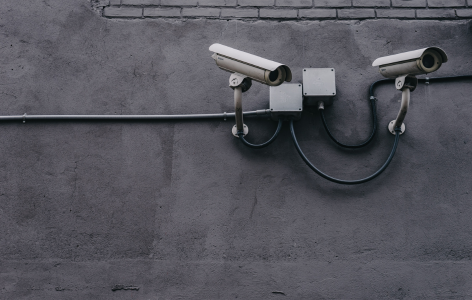

Criminal incidents at commercial and residential properties remain a concern across Nevada, particularly in urban areas like Las Vegas.
According to data from the Nevada Department of Public Safety and local law enforcement agencies, violent crimes and property-related offenses continue to occur at apartment complexes, parking facilities, and commercial locations statewide.
Public safety reports also show that areas with higher foot traffic and limited security measures tend to experience higher rates of reported incidents.
These trends highlight why property owners are expected to take reasonable steps to address known safety risks.
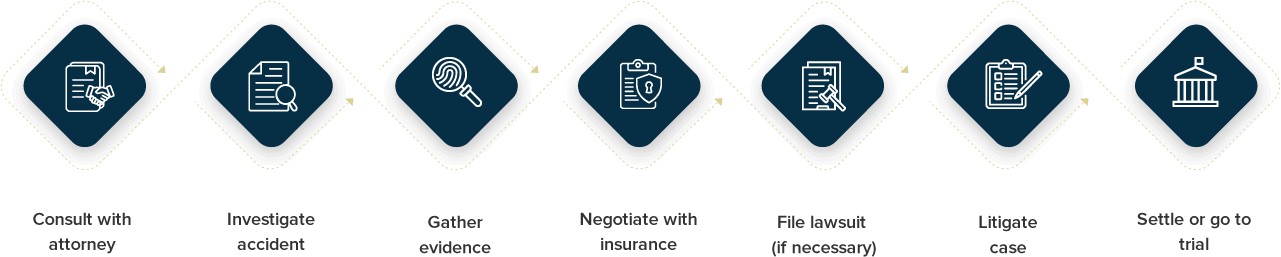
Nevada negligent security claims focus on whether a property owner took reasonable steps to address known safety risks. Factors such as prior incidents, lighting, access control, and security presence are often reviewed to determine whether the incident could have been prevented.
As a claim is evaluated, information like police reports, incident records, surveillance footage, and property maintenance or security logs may be reviewed. This material helps explain what happened, what safety measures were in place, and how responsibility may be assessed.
At Gina Corena & Associates, clients are guided through each stage with clear explanations and realistic expectations. While every case follows its own timeline, understanding the process allows clients to focus on recovery while legal matters progress.

The experience of our attorneys ranges from insurance and commercial law to personal injury and other areas which give our team an unmatched ability to reach a favorable outcome in your case. We handle each matter with accountability and responsiveness, as if we were representing ourselves.
Negligent security may apply when a property owner fails to take reasonable safety steps despite known risks. This can include poor lighting, broken locks, lack of security staff, or ignoring prior criminal activity that made an incident foreseeable under the circumstances.
Yes. In some situations, a property owner may be held responsible if a criminal act was foreseeable and reasonable security measures were not in place. These cases focus on property conditions and safety practices rather than the actions of the person who committed the crime.
Negligent security claims often involve apartment complexes, hotels, parking garages, bars, nightclubs, retail centers, and other locations open to the public. The key issue is whether the property owner took reasonable steps to address known safety risks at that location.
Helpful evidence may include police reports, incident records, photos or videos of the property, surveillance footage, and documentation showing prior safety issues. A Las Vegas negligent security attorney can review this information to determine whether inadequate security may have contributed to the incident.
In most cases, Nevada law allows two years from the date of the incident to file a personal injury claim. Missing this deadline may limit your ability to recover compensation, which is why understanding timelines early can be important.
Negligent security cases often involve property owners, insurers, and questions about safety standards. A Las Vegas negligent security attorney helps review the situation, explain how premises liability laws apply, and guide you through decisions so you understand your options.

As a former las vegas car accident attorney, Ms. Corena has gained the experience and knowledge that many personal injury attorneys simply do not have access to.
“Top 40 Under 40” attorney by the American Society of Legal Advocates
“Ten Best Attorneys” in Nevada