
GET A FREE CONSULTATION
(702) 680-1111
When medical care goes wrong, patients are often left searching for answers. Our Las Vegas medical malpractice lawyer helps patients review their situation, understand their options, and decide what steps may make sense under Nevada law.
Check Your Options
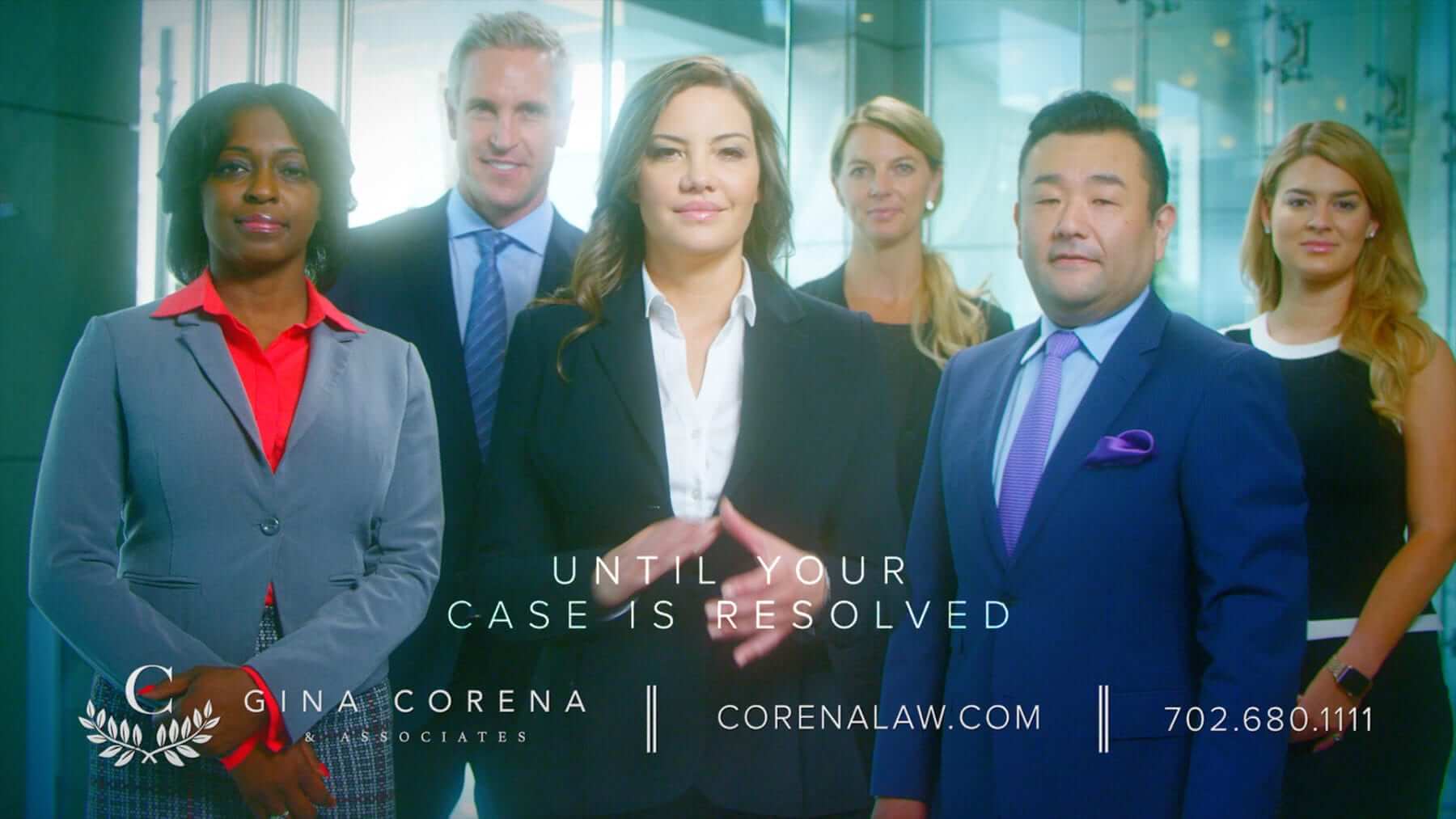
Medical malpractice cases are often emotionally and legally complex. Patients are left with unanswered questions about their care, their injuries, and whether the harm they suffered could have been prevented.
At Gina Corena & Associates, we help patients make sense of difficult situations involving medical errors. Our focus is on listening carefully, reviewing what happened, and helping clients understand whether their experience may involve medical negligence under Nevada law.
We recognize that these cases require sensitivity, discretion, and clear communication. Clients receive straightforward guidance, realistic expectations, and steady support while they consider their legal options.
If you believe a medical mistake caused serious harm, speaking with a Las Vegas medical malpractice lawyer can help bring clarity during an uncertain time. We offer free consultations to discuss your concerns and explain what options may be available.
$1,040,000
$1,023,006.92
$1,010,000
$1,010,000
When you believe a medical mistake may have caused harm, it can be difficult to know what to do next. Taking a few careful steps early can help protect your health and preserve important information.
After suspected medical negligence, it is generally important to:
Medical malpractice situations are often complex, and early guidance can help you understand whether concerns may rise to the level of negligence.
A Las Vegas medical malpractice lawyer can help explain your options and whether further review may be appropriate based on your situation.

Medical malpractice can affect many areas of a person’s life, not just their immediate health. When a medical error causes serious harm, compensation may be available to help address both financial losses and the personal impact of the injury.
A medical malpractice claim in Nevada may involve compensation for:
Every case is different, and available compensation depends on the specific facts, the severity of the injury, and how it has affected the patient’s life.
At Gina Corena & Associates, we help clients understand what types of compensation may apply based on their circumstances and Nevada law.

Medical malpractice cases are often deeply personal. Patients are not just looking for legal answers, they want to be heard, respected, and guided through difficult decisions with care.
Clients turn to Gina Corena & Associates because of our steady, thoughtful approach to complex medical malpractice claims. We focus on clear communication, careful evaluation, and honest guidance so clients can make informed choices without pressure.
Patients work directly with attorneys who take time to explain concerns, address questions, and remain accessible throughout the case. The goal is not quick decisions or promises, but trusted support and realistic expectations.
If you believe a medical error caused serious harm, having the right guidance can make a meaningful difference. Speaking with a Las Vegas medical malpractice attorney can help you understand whether your concerns may warrant further action.


Medical errors remain a concern across Nevada, particularly in large hospital systems and high-volume healthcare settings. State and federal data helps explain why medical malpractice claims exist and how patient safety issues can arise.
According to Nevada state and federal reporting sources:
Reviewing credible data can help patients better understand why medical negligence claims are carefully evaluated under Nevada law.

In Nevada, medical malpractice cases typically involve a careful evaluation of medical care to determine whether treatment met accepted standards.
Claims may require additional documentation and review before moving forward, and timelines can vary depending on the complexity of the situation.
Some cases are resolved without extended litigation, while others may continue if questions remain about responsibility or the extent of harm. Throughout this process, patients are guided on what to expect so they can focus on their health and recovery.
Every case is unique, but understanding the general legal framework can help reduce uncertainty. A Las Vegas medical malpractice attorney can explain how Nevada law applies to your situation and what may come next based on the facts of your case.

The experience of our attorneys ranges from insurance and commercial law to personal injury and other areas which give our team an unmatched ability to reach a favorable outcome in your case. We handle each matter with accountability and responsiveness, as if we were representing ourselves.
Medical malpractice may occur when a doctor, hospital, or healthcare provider causes harm by failing to meet accepted standards of care. A medical malpractice lawyer in Las Vegas can help review what happened and determine whether a medical error may rise to the level of negligence under Nevada law.
Not every poor medical outcome involves malpractice. A medical malpractice attorney in Las Vegas can review medical records, timelines, and outcomes to help determine whether negligence may be involved and whether pursuing a claim could make sense based on your situation.
Nevada law sets specific time limits for filing medical malpractice claims, which can vary depending on when the injury was discovered. Speaking with a medical malpractice lawyer in Las Vegas early can help ensure important deadlines are not missed.
Medical records, treatment notes, test results, and documentation of injuries are often key. A medical malpractice attorney in Las Vegas can help identify what information may be relevant and whether additional review is needed to understand how the injury occurred.
Compensation may include medical expenses, lost income, future care needs, and physical or emotional impact caused by the injury. A medical malpractice lawyer in Las Vegas can explain what types of damages may apply based on the facts of your case.
Medical malpractice cases are complex and often involve detailed medical and legal issues. A medical malpractice attorney in Las Vegas can help explain your options, review concerns carefully, and guide you through decisions without pressure or unrealistic expectations.

As a former las vegas car accident attorney, Ms. Corena has gained the experience and knowledge that many personal injury attorneys simply do not have access to.
“Top 40 Under 40” attorney by the American Society of Legal Advocates
“Ten Best Attorneys” in Nevada