GET A FREE CONSULTATION
(702) 680-1111
Founding Member & Managing Partner at Gina Corena & Associates
Practice Areas: Personal Injury
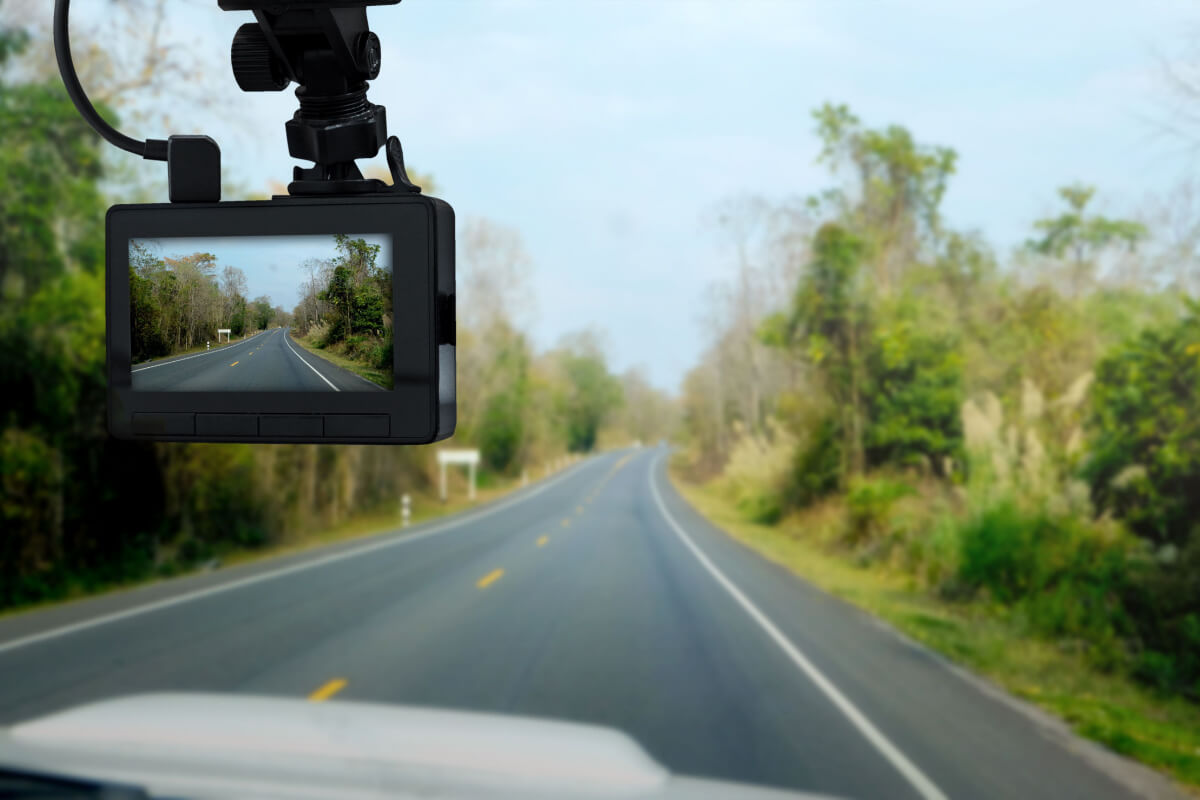
After a crash, drivers often disagree about what happened. Without clear evidence, proving fault can be difficult.
That is where dashcam footage can help. A recording may show how the accident happened and support your side of the story. Before sharing it with the insurance company, it is a good idea to speak with a car wreck lawyer in Las Vegas about how it could affect your claim.
This guide explains how dashcam evidence is used in Nevada accident claims, whether it is legal to record, and how to preserve your footage after an accident.
Yes. In most cases, you can legally use a dashcam in your own vehicle in Nevada, and the footage may be used as evidence in a personal injury claim. Nevada does not prohibit private drivers from using dashboard cameras.
If your dashcam records audio, Nevada generally follows a one-party consent rule. That means you can usually record conversations you are part of. Recording private conversations that you are not involved in may raise legal issues.
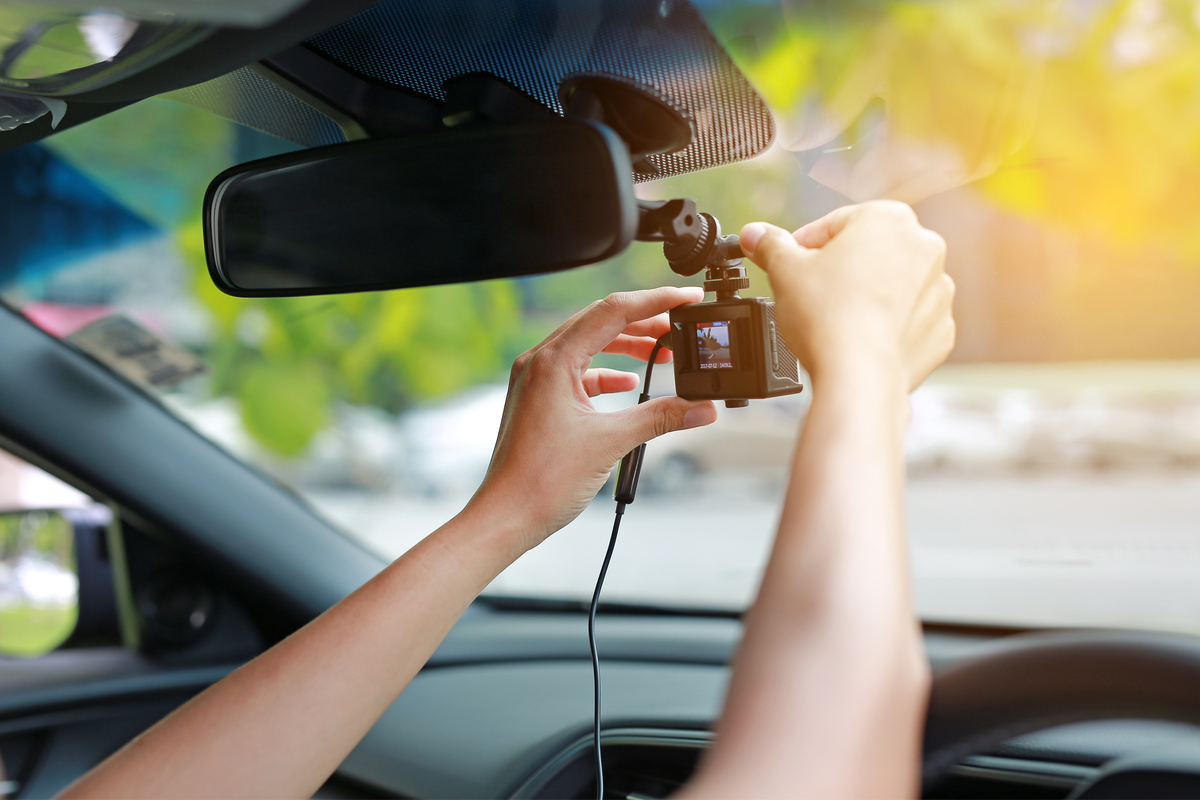
You should also mount your dashcam where it does not block your view of the road. Many drivers place it behind the rearview mirror or in a lower corner of the windshield to keep it out of the way.
Good footage answers who was at fault. Because Nevada is an at-fault car insurance state, the driver who caused the crash (and their insurer) is responsible for the resulting damages. A video that shows the fault clearly can move a claim forward faster and discourage a lowball offer.
Dashcam footage can help establish things like:
Dashcam footage is not the only useful evidence. If a nearby business, traffic camera, or home security camera recorded the collision, that footage may also help establish fault. Learn more about how surveillance footage can help prove fault in an injury claim.
Dashcam footage not only captures the other driver’s actions. It also records your own. If the video shows you speeding, using your phone, or making another driving mistake, it could affect your claim.
Nevada follows a modified comparative negligence rule. That means you may still recover compensation if you were partly at fault, as long as you were not more than 50% responsible for the crash. However, your compensation can be reduced based on your share of the fault.
Even if the footage is not entirely in your favor, do not delete it. Destroying evidence can create serious legal issues. Instead, have a car wreck lawyer review the video first. They can explain how it may affect your case and the best way to handle it.
Dashcam evidence only helps if it survives. Most cameras record over old files once the memory card fills up, sometimes within hours or a day. Acting quickly is the single most important thing you can do.
After a crash, take these steps as soon as it is safe:
Dashcam clips are one of several pieces that build a strong file. Photos, the police report, medical records, and witness contacts all matter too; here is a fuller look at the evidence that strengthens a car accident case.
If the other driver, a rideshare vehicle, or a commercial truck had a camera, that footage may still exist and could help your claim. The challenge is that the other side controls it and may not volunteer it, especially if it makes them look bad.
This is where having a lawyer matters. Your attorney can send a preservation letter (also called a spoliation letter) demanding that the other party preserve the footage and refrain from deleting it. If a lawsuit is filed, your attorney can request the video through the formal discovery process. Commercial vehicles, in particular, often run forward-facing and driver-facing cameras, and a Las Vegas truck accident attorney will know how to demand that data before it disappears.
Moving fast is key because the same overwrite problem that affects your camera affects theirs. The sooner a preservation request goes out, the better the odds are that the footage still exists.
Handing a video to an adjuster without guidance can backfire. A lawyer reviews the clip first, decides whether it helps or hurts, and presents it in the strongest, most accurate way.
Your attorney can also tie the footage to the rest of the record, line it up with the police report and physical damage, and use it to push back on a low settlement offer.
At Gina Corena & Associates, founding attorney Gina M. Corena spent years on the insurance-defense side before representing injured people, so she knows how adjusters try to discount strong evidence. That perspective helps when a clear piece of video would move your claim forward, and the insurer is still dragging its feet.
Yes. Footage from a dashboard camera in your own vehicle can be used as evidence to help prove who was at fault in a Nevada accident claim. Preserve the original file, avoid editing it, and let your lawyer decide how and when to share it.
Generally, yes, for conversations you are part of, because Nevada follows a one-party consent rule. Be cautious about secretly recording private conversations you are not part of, as that can raise legal issues. Recording video of the road and public traffic is allowed.
It can. Nevada uses modified comparative negligence, so if your video shows you were partly at fault, your compensation may be reduced by your share, and you recover nothing if you are more than 50 percent at fault. Even so, do not delete footage; review it with a lawyer first.
Often just hours to a day, since most cameras overwrite old files once the card fills up. Lock or remove the memory card and back up the clip as soon as it is safe after a crash.
Your attorney can send a legal preservation demand and, if a case is filed, request the footage through discovery. Acting quickly improves the chance that the video still exists.
If a crash left you injured and the other driver is blaming you, the right evidence can protect your future. Gina Corena & Associates will review your dashcam footage, gather the rest of your file, and deal with the insurance company so you can focus on healing.
Call (702) 680-1111 anytime, day or night, in English or Spanish, for a free consultation. There is no fee unless we win your case. You can also reach our team through our contact page.
Reviewed by Gina M. Corena, founding attorney at Gina Corena & Associates.

As founder of Gina Corena & Associates, she is dedicated to fighting for the rights of the people who suffer life-changing personal injuries in car, truck and motorcycle accidents as well as other types of personal injury. Gina feels fortunate to serve the Nevada community and hold wrongdoers accountable for their harm to her clients.