GET A FREE CONSULTATION
(702) 680-1111

Founding Member & Managing Partner at Gina Corena & Associates
Practice Areas: Personal Injury
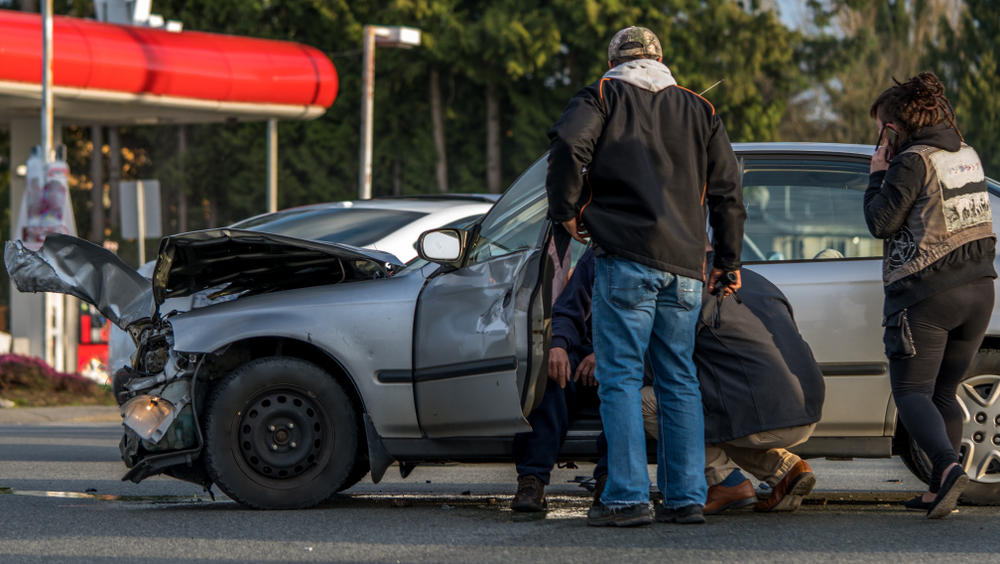
A crash in a Turo rental is different from a crash in your own car. Instead of dealing with one insurance policy, you may have to sort through coverage from the renter, the vehicle owner, Turo, or another driver.
That can make an already stressful situation even more confusing. In 2024, the Las Vegas Metropolitan Police Department reported 18,437 crashes, including 11,559 that resulted in injuries. When one of those crashes involves a peer-to-peer rental, figuring out which insurance applies depends on the facts of the accident and the coverage in place.
This guide explains how insurance works after a Turo accident in Las Vegas and what to know before filing a claim.
Every Turo trip includes third-party liability coverage, and Nevada law generally makes that coverage primary while the vehicle is being used for a Turo rental. At the same time, your own personal auto policy may not cover a crash involving a peer-to-peer rental, depending on your policy terms.
Las Vegas is one of Turo’s busiest markets, and visitors often drive these rentals on unfamiliar roads. Nevada planned for it.
The state has regulated peer-to-peer car sharing since October 1, 2021, and a platform cannot operate in the state without a Nevada DMV license. That statute, not the airport-counter playbook, decides who pays.
Turo provides third-party liability coverage during eligible trips, which can pay for injuries or property damage you cause to others. It does not automatically pay for your own injuries.
Coverage for damage to the Turo vehicle works differently. It depends on the protection plan selected and the agreement between you and Turo, rather than a standard auto insurance policy.
Because coverage depends on the trip, the protection plan, and the circumstances of the crash, it is important to review the terms that applied at the time of the accident.
Often, no. Nevada law expressly allows a personal auto insurer to exclude all coverage (liability, medical payments, uninsured motorist, comprehensive, and collision) for a car while it is shared on Turo. The statute even requires the agreement to disclose that the personal policy may not cover the shared vehicle.
So who holds the bill? Often, the platform’s policy is the same law that keeps the coverage protecting the owner and driver primarily during the trip.
It depends on who you were in the crash. The platform’s Travelers liability generally answers for third-party injuries, and Nevada’s statute makes the program assume the host’s tort liability up to $50,000 per person, $100,000 per crash, and $20,000 in property damage, double Nevada’s ordinary minimum of $25,000 per person and $50,000 per crash.
|
Your role |
Who responds first |
Watch for |
| Guest at fault | Turo’s Travelers liability for others’ injuries; plan tier sets host-car cost | Personal policy may deny under the exclusion |
| Guest, other driver at fault | The at-fault driver’s liability insurance | If that driver is uninsured, UM/UIM is key |
| Host (owner) | Turo’s resolution process and host deductible | Personal auto likely excludes the shared period |
| Third party hit by a Turo car | The driver’s coverage, then Turo’s Travelers policy | Insurers may point at each other |
A Turo guest causes a crash that results in $140,000 in damages. If the guest’s personal auto insurer denies coverage because the vehicle was rented through Turo, the trip’s third-party liability coverage may apply, subject to its terms and limits.
Simply because a crash involves Turo does not automatically make the company liable. Whether Turo, the host, or another party can be held responsible depends on the facts of the accident and the applicable law.

One of the biggest mistakes is assuming the same insurance rules apply as in a regular car accident. With Turo, coverage depends on when the crash happened and whether it occurred during the active rental period.
Another mistake is waiting too long to report the accident or preserve evidence. The sooner the crash is reported and documented, the easier it is to determine which insurance policy applies.
For the people the guest injured, Turo’s third-party liability through Travelers generally responds, up to $750,000 under the standard plans. For damage to the host’s car, the guest’s plan tier sets how much the guest owes.
Nevada generally gives you two years from the date of the crash to file a personal injury lawsuit. Waiting is risky because app records and witness memories fade.
No. Turo describes its physical-damage reimbursement for hosts as a contractual allocation of risk, not an insurance product. The third-party liability portion is insurance through Travelers; the reimbursement side is just a contract.
Get medical care, report the crash through the Turo app, save your booking details and protection plan, and keep records of everything related to the accident. Avoid giving a recorded statement before you understand which insurance policies may apply.
If you were injured in a Turo accident, our Las Vegas car accident lawyers at Gina Corena & Associates offer free consultations. We can review the available insurance coverage, explain your options, and help you understand the next steps.

As founder of Gina Corena & Associates, she is dedicated to fighting for the rights of the people who suffer life-changing personal injuries in car, truck and motorcycle accidents as well as other types of personal injury. Gina feels fortunate to serve the Nevada community and hold wrongdoers accountable for their harm to her clients.