GET A FREE CONSULTATION
(702) 680-1111
Founding Member & Managing Partner at Gina Corena & Associates
Practice Areas: Personal Injury
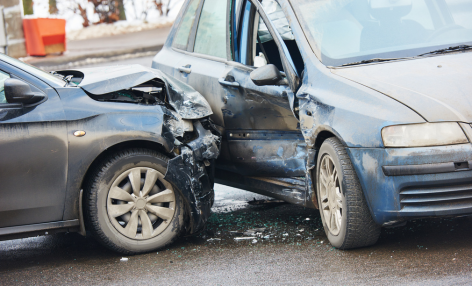
After a car crash, the damage to your vehicle can tell part of the story. Where the vehicle was hit may show what happened just before the crash.
This becomes important when drivers give different versions of what happened or an insurance company questions who caused the accident. This guide explains how vehicle damage can be used when deciding fault after a Nevada car accident.
A Las Vegas car accident lawyer can review the damage and other evidence in your case and help you challenge an incorrect fault decision.
Fault is based on what happened before and during the crash. Investigators may consider several types of evidence, including:
The location of the damage can show how the vehicles collided, but it does not decide fault on its own.
For example, rear-end damage often suggests that the following driver failed to stop in time. However, investigators may also consider whether the front driver suddenly stopped, changed lanes, or created an unsafe situation.
The damaged part of a vehicle can provide clues about how the crash happened. Different types of damage may point to different kinds of collisions.
Damage to the rear bumper, trunk, or back of the vehicle shows where the impact happened. It may also suggest the direction and force of the crash.
Investigators may look at:
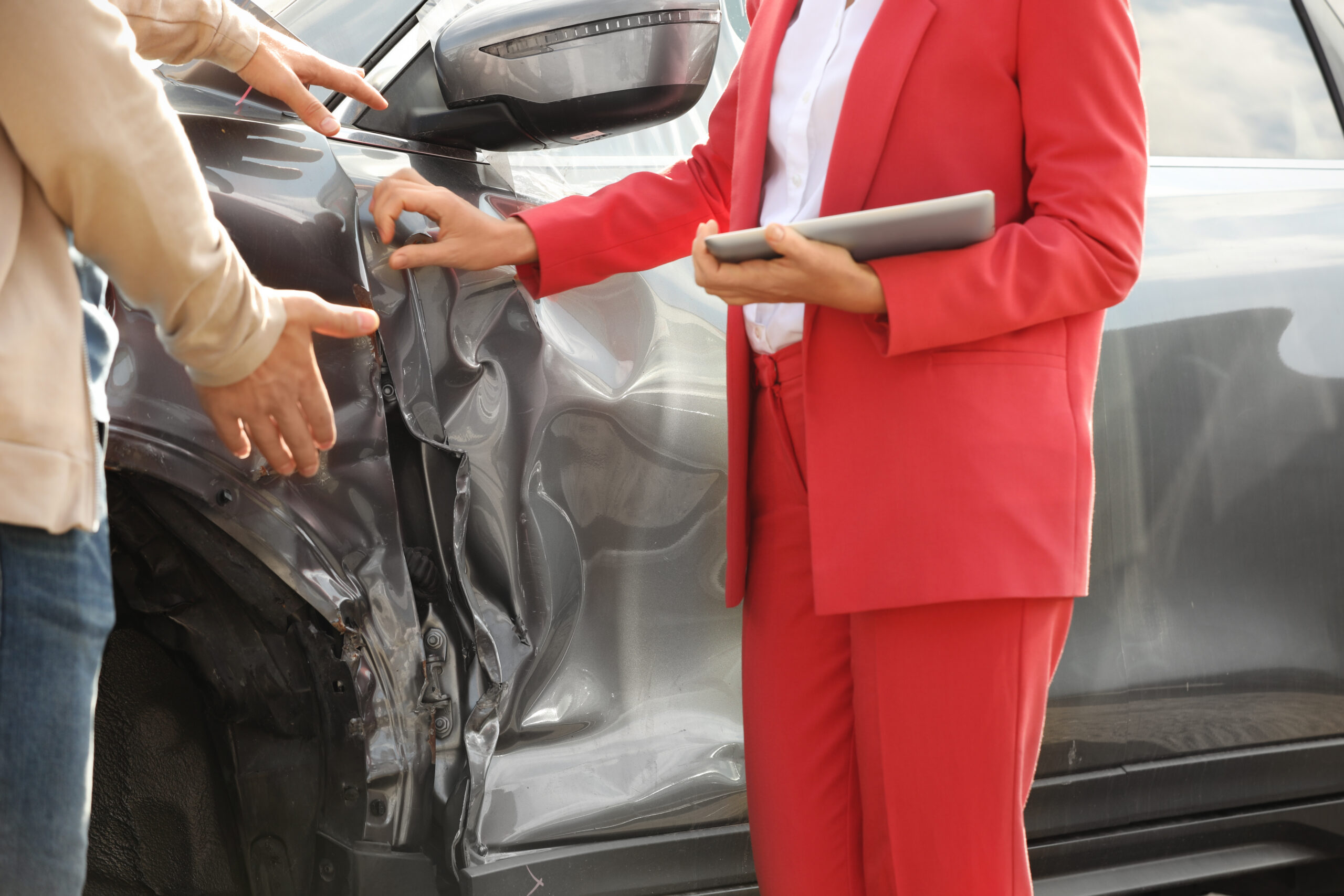
Damage to the side of a vehicle, especially around the doors, is common in T-bone crashes. These crashes often happen at intersections when one vehicle enters another’s path.
The investigation may focus on:
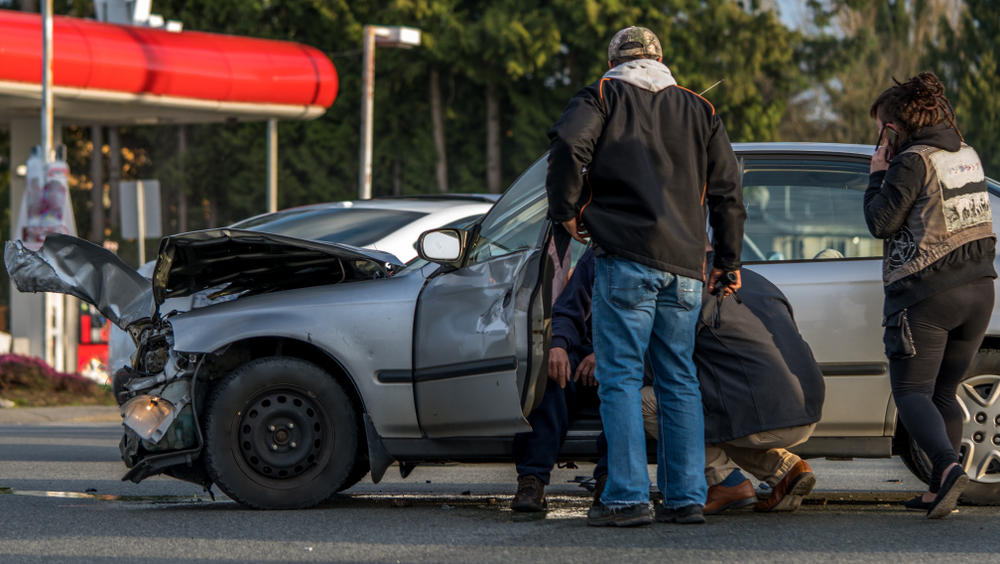
Damage to the front corners of two vehicles may show that they hit at an angle. The location of the damage on each vehicle can give more information about how they came into contact.
Investigators may compare the damage with:
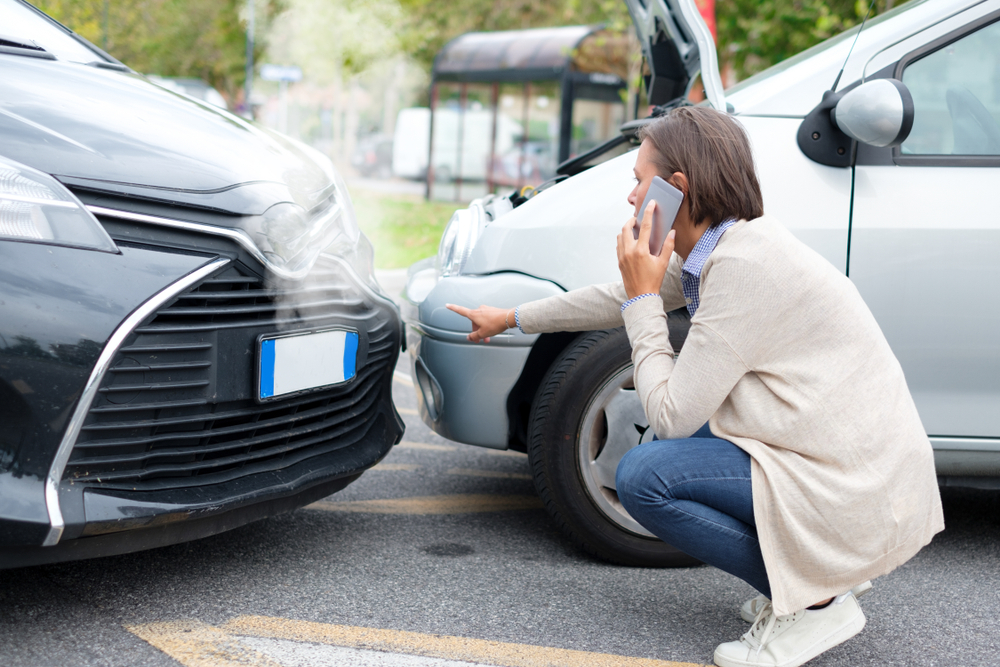
Damage to the front of both vehicles may point to a head-on crash. The damage can also show how the vehicles were positioned when they hit.
Investigators may look at:
These damage patterns can give clues about the crash, but they do not tell the whole story.
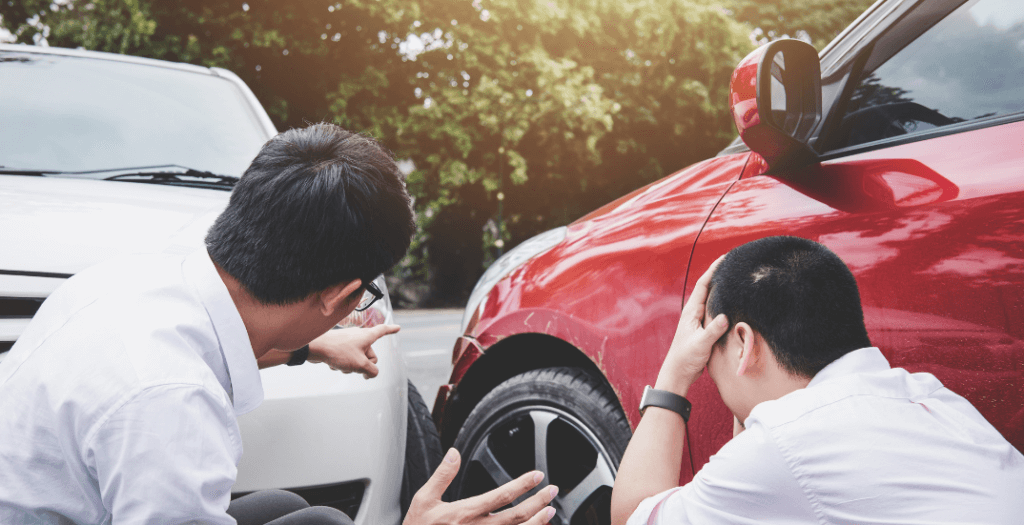
Vehicle damage can show where the vehicles hit, but it does not always show why the crash happened.
For example, a rear-end crash may also involve the front driver if that driver stopped suddenly or changed lanes without warning. In a crash involving several vehicles, you may need more evidence to understand how the collision started.
That is why insurers and courts look at more than the damage to the vehicles. Witness statements, traffic signals, police reports, and other evidence can provide details that the damage alone does not show. Our guide on proving liability in multi-vehicle accidents explains how these different pieces of evidence can affect a liability claim.
Damage location becomes more useful when other evidence supports it.
It is usually combined with:
In disputed cases, accident reconstruction experts may also use all available evidence to piece together how the crash occurred.
Nevada follows a modified comparative negligence rule under NRS 41.141. This means more than one driver can share responsibility for an accident. A person may recover compensation if they are at fault by 50% or less, but their compensation is reduced based on their percentage of responsibility.
For example:
| Total Damages | Fault Assigned | Possible Recovery |
| $50,000 | 20% fault | $40,000 |
| $50,000 | 50% fault | $25,000 |
| $50,000 | 51% fault | No recovery |
Because fault percentage affects compensation, insurance companies may closely examine damage, statements, and other evidence when deciding responsibility.
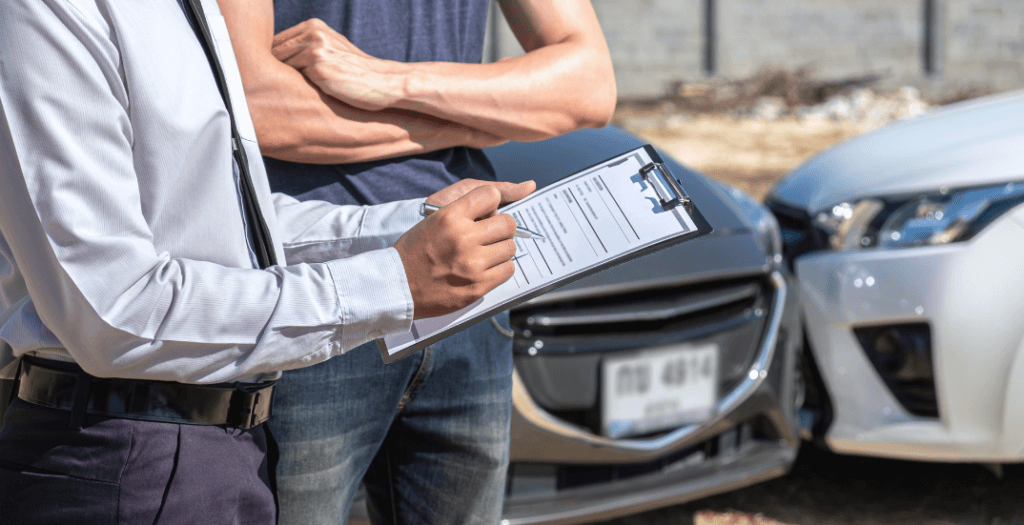
Important details can be lost after a crash. When it is safe to do so:
Proper documentation can help connect the damage to the accident.
No. Damage location can provide important clues, but it does not prove fault on its own. Other evidence is needed to understand who caused the crash.
Yes, but damage is only one part of the investigation. Insurance companies may also consider driver statements, road conditions, witness accounts, and other evidence.
Insurance companies often make the first decision about fault. A dispute may require more evidence, negotiations, or legal action.
Police reports, witness statements, photos, videos, medical records, and expert opinions can all provide more information about how the accident happened.
An attorney can review the evidence and explain your options when an insurance company disputes fault or places too much blame on you.
Questions about fault can become harder when the drivers, insurance company, and other parties have different accounts of what happened. An attorney can review the damage, available evidence, and crash details to assess how fault was determined.
Legal help can also ease the pressure of dealing with the insurance company and help protect your claim. Contact Gina Corena & Associates to speak with a Nevada car accident attorney about your case.

As founder of Gina Corena & Associates, she is dedicated to fighting for the rights of the people who suffer life-changing personal injuries in car, truck and motorcycle accidents as well as other types of personal injury. Gina feels fortunate to serve the Nevada community and hold wrongdoers accountable for their harm to her clients.