GET A FREE CONSULTATION
(702) 680-1111
Founding Member & Managing Partner at Gina Corena & Associates
Practice Areas: Personal Injury
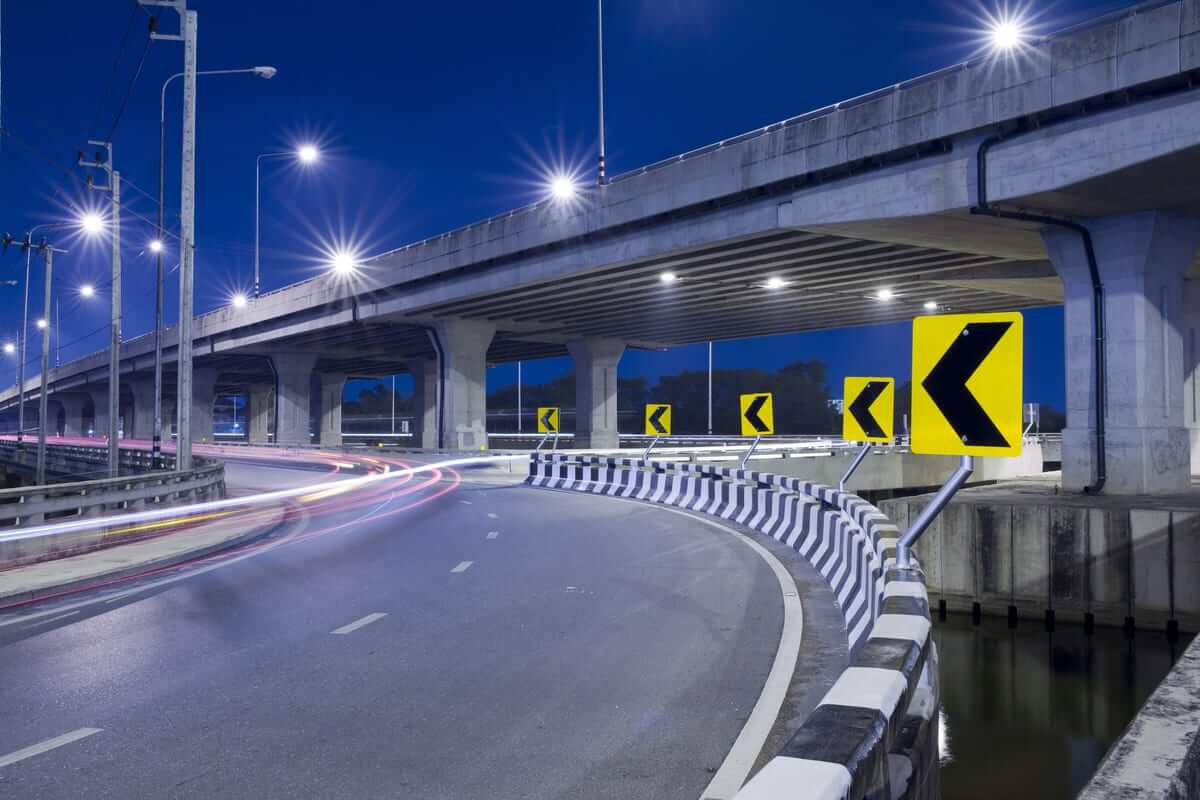
Merging on roads like I-15, the 215 Beltway, or busy city streets in Las Vegas often leads to sideswipe or lane-change crashes. These accidents usually occur when two vehicles try to enter the same space at the same time.
In most cases, the driver merging has the duty to yield and ensure the lane is clear before moving over. If they fail to check blind spots or merge unsafely, they are often found at fault. However, the driver already in the lane may also share some responsibility depending on the situation.
Because fault can be disputed, it often helps to have a Las Vegas car accident lawyer review the details before speaking with the insurance company.
This guide explains how fault is determined in merging accidents and how Nevada’s comparative negligence rule affects your claim.
In most merging crashes, the driver who is changing lanes or entering traffic is presumed at fault. Nevada traffic law puts the responsibility on the moving driver to confirm the lane is open and safe before crossing into it.
When you merge, you create a new risk. The car already traveling in the lane has the right to keep going on its path. That is why investigators, insurers, and juries assume the merging vehicle should have waited.
To merge safely under Nevada law, a driver is generally expected to:
If the merging driver skipped any of these steps and caused the crash, that failure is strong evidence of negligence. Negligence simply means a driver did not use the reasonable care that a careful person would have used in the same situation.
The driver already in the lane is not automatically blameless. Fault can shift or be split when the driver was also being careless and helped cause the crash.
The through-traffic driver may share fault if they were:
For example, if you were merging onto the highway with your signal on and plenty of room, but another driver sped up to keep you out and clipped your car, that driver’s conduct matters. Speeding and aggressive driving can shift a significant portion of the fault onto the person who was already in the lane.
This is where the police report and physical evidence become important. The point of contact on each vehicle, skid marks, dash cam video, and witness statements can show what really happened in the seconds before impact.
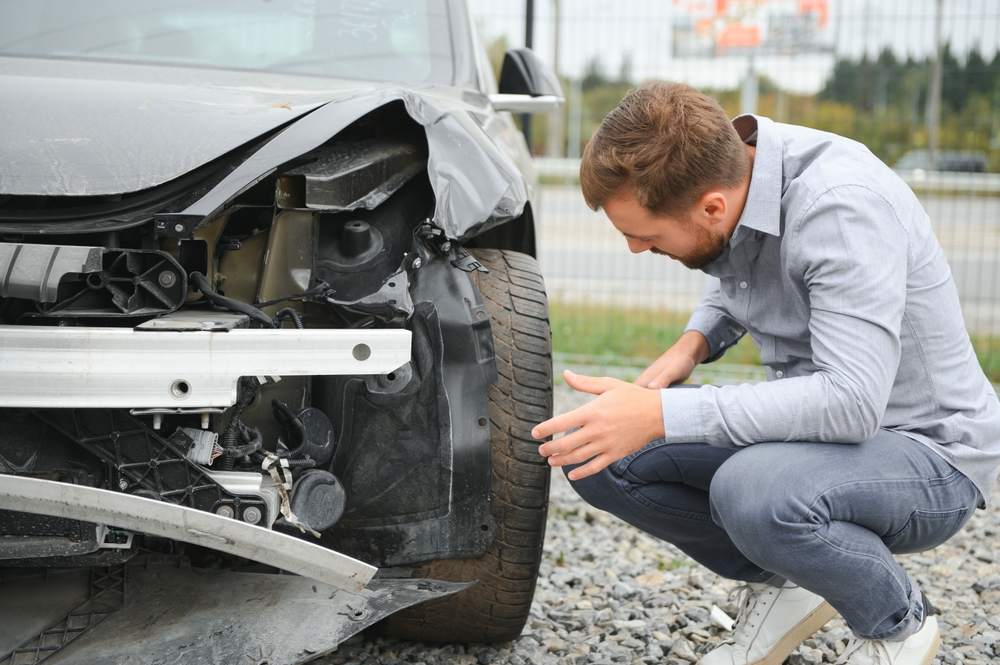
The location of the damage on each car often tells a clear story about who moved into whom, which is why fault determination based on damage location can carry real weight in a dispute.
The straightforward cases involve one car merging into another that was traveling straight. The fault gets more tangled when both drivers are changing lanes at the same time, heading for the same space.
When two vehicles each take an affirmative action, neither is simply minding its own lane. Now the analysis turns to the details: Who signaled first? Who was already further into the lane? Was either driver speeding, distracted, or impaired? Without other evidence of negligence, both drivers may be partly responsible.
These cases are won or lost on evidence. Camera footage from nearby businesses, traffic cameras, or a driver’s own dash cam can settle a dispute that two conflicting stories cannot. If you are dealing with a multi-car crash that triggered several impacts, the questions get even more layered, and proving who started the chain matters for everyone’s claim.
Nevada follows a modified comparative negligence rule, and it directly controls what you can recover after a merging crash. Under NRS 41.141, you can still collect compensation as long as you are not more than 50 percent at fault for the accident. Your recovery is then reduced by your share of the blame.
A simple example shows how it works. Say your damages add up to $100,000, and the insurer or jury decides you were 20 percent at fault for merging a little too soon. You would recover $80,000, which is the full amount minus your 20 percent share. But if you are found 51 percent or more at fault, you recover nothing.
This rule is exactly why insurance companies push so hard to pin extra fault on injured drivers in merging cases. Every percentage point of blame they shift onto you lowers what they have to pay, and crossing the 51 percent line wipes out your claim entirely.
Adjusters know this, and it is one of the most common settlement tactics insurance companies use to shrink a payout. Having someone build the evidence on your side helps keep the fault percentage honest.
The steps you take right after a crash can protect both your health and your claim.
Try to do the following when it is safe:
Keep records of your medical bills, missed work, and out-of-pocket costs. Those documents support the value of your claim, including lost wages from a personal injury if your injuries kept you off the job.
If another driver caused your merging crash, Nevada law lets you pursue compensation for the harm you suffered.
Recoverable damages often include:
In rare cases involving especially reckless conduct, such as a drunk driver, Nevada allows punitive damages under NRS 42.005. Every case is different, and an attorney can give you a realistic picture of what your specific claim may be worth.
Not always, but usually. The driver merging or changing lanes has the duty to yield and ensure the lane is clear, so the fault often lies with them. However, the other driver can share blame if they were speeding, distracted, impaired, or driving aggressively to block the merge.
A police report is important evidence, but it is not the final word on fault. Insurers and courts weigh it alongside photos, dashcam video, witness statements, and the damage to each vehicle. If you believe the report is wrong, a lawyer can gather evidence to challenge it.
Yes, as long as you were not more than 50 percent at fault. Under Nevada’s modified comparative negligence rule, your compensation is reduced by your percentage of fault. At 51 percent or more, you cannot recover from the other driver.
Nevada generally gives you two years from the date of the crash to file a personal injury lawsuit under NRS 11.190. Property-damage-only claims have a longer deadline. Because exceptions exist, confirm your specific deadline with a lawyer as soon as possible.
If your injuries are minor and clearly the other driver’s fault, you may be able to handle it yourself. But if you were seriously hurt, if fault is disputed, or if the insurer is blaming you, talking to a lawyer can protect your claim. Most personal injury consultations are free.
If you were injured in a merging or lane-change crash, you do not have to sort out fault and fight the insurance company alone. At Gina Corena & Associates, we investigate how the crash happened, push back on unfair blame, and work to recover the full compensation you are owed.
Call (702) 680-1111 for a free consultation, available 24/7 in English and Spanish. You pay no fee unless we win your case.
Reviewed by Gina M. Corena, founding attorney at Gina Corena & Associates.

As founder of Gina Corena & Associates, she is dedicated to fighting for the rights of the people who suffer life-changing personal injuries in car, truck and motorcycle accidents as well as other types of personal injury. Gina feels fortunate to serve the Nevada community and hold wrongdoers accountable for their harm to her clients.