GET A FREE CONSULTATION
(702) 680-1111

Founding Member & Managing Partner at Gina Corena & Associates
Practice Areas: Personal Injury
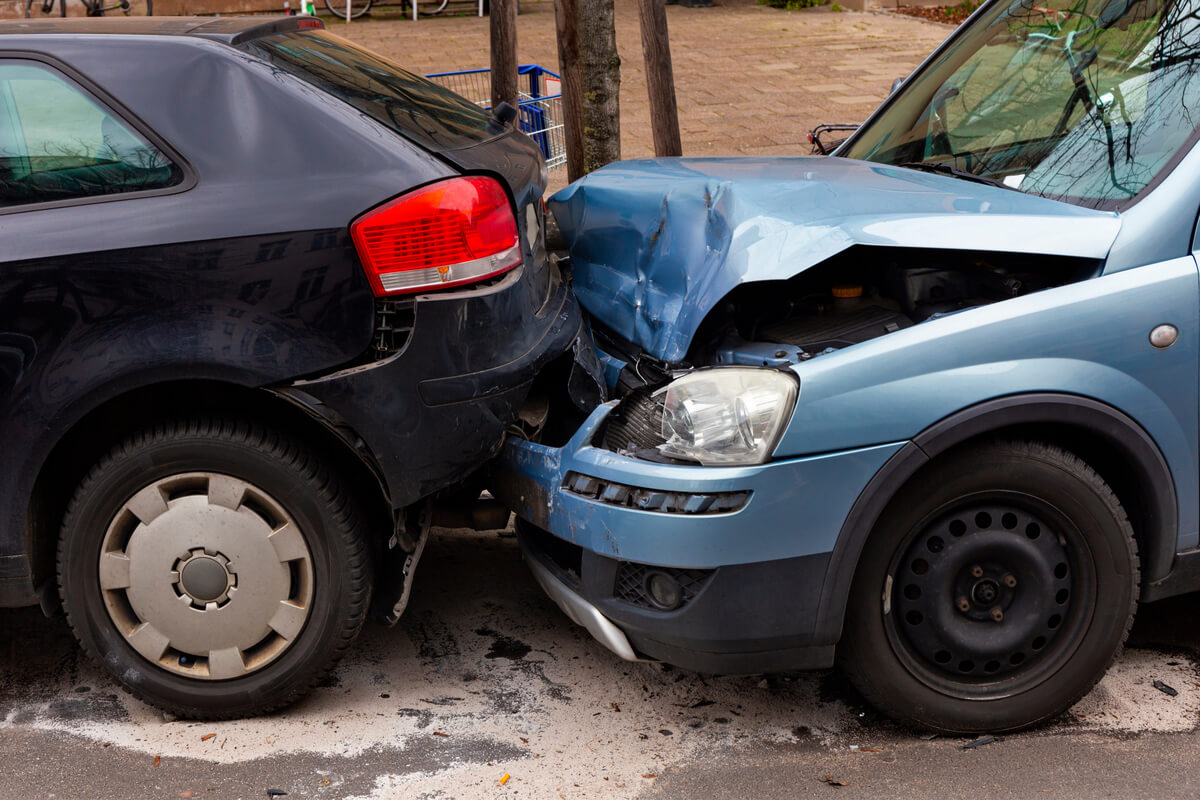
Getting rear-ended seems straightforward. You were stopped or slowed down, and the driver behind you failed to stop in time. In many cases, that driver is at fault. But insurance companies do not always accept that without question, and they may look for reasons to argue you shared the blame.
The key to a successful claim is the evidence. Photos, the police report, witness statements, and other records can show how the crash happened and help keep fault where it belongs. A Las Vegas rear-end collision attorney can help gather that evidence and build a strong claim.
This guide explains why rear drivers are usually responsible, when that rule has exceptions, the evidence that matters most, and how Nevada law applies after a rear-end collision.
No. The rear driver is presumed at fault in most rear-end crashes, but that presumption can be rebutted by evidence that the lead driver caused or contributed to the crash. Nevada is an at-fault state, so the question is always who acted unreasonably behind the wheel, not simply which bumper hit which.
The presumption exists for a practical reason. Drivers are required to keep a safe following distance and to leave enough room to stop. When you run into the car ahead, the most likely explanation is that you were too close, going too fast, or not paying attention.
That is why adjusters start with the back driver. The point of proving fault is to show what actually happened, which sometimes matches the presumption and sometimes does not.
In the typical rear-end crash, the lead car has slowed or stopped, and the trailing driver simply could not stop in time.
A few common reasons sit behind most of these collisions:
Rear-end crashes are also extremely common. The National Highway Traffic Safety Administration has reported that rear-end collisions make up roughly 29% of all crashes nationwide, which is part of why these claims feel routine to insurers.
That familiarity can work against you if you let the adjuster treat your case like a number instead of a real event with real facts.
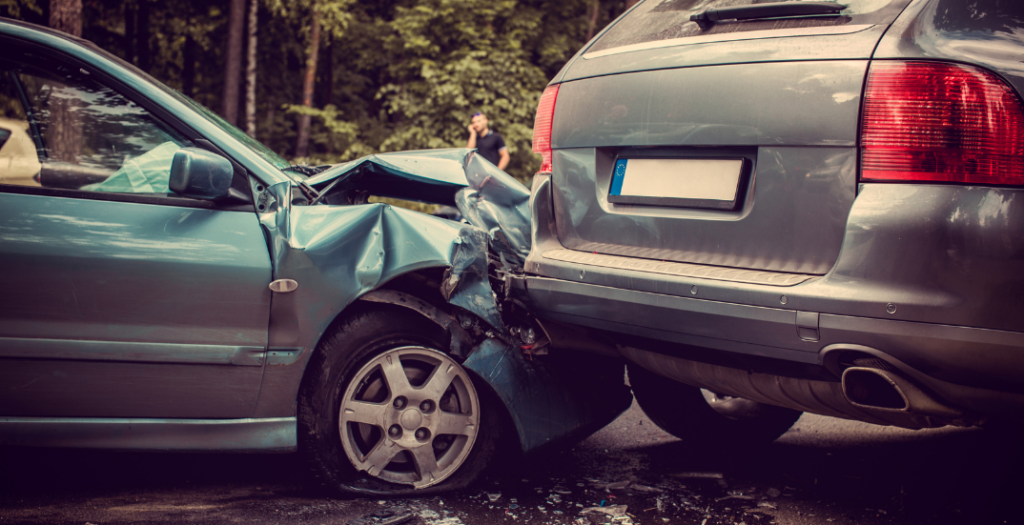
Here is where these cases get interesting, and where good evidence pays off. The lead driver can cause or contribute to a rear-end crash. When that happens, the rear driver may be only partly at fault or not at fault at all.
Common exceptions include:
Multi-car pileups are their own puzzle. If several vehicles are involved, sorting out who hit whom first takes careful work, which we cover in our guide to multi-car accident liability in Las Vegas.
Nevada uses modified comparative negligence under NRS 41.141. Fault is divided by percentage, and you can still recover as long as you are not more than 50% at fault. Your award is then reduced by your share of the blame.
Say a driver changes lanes without signaling and gets rear-ended by someone who was speeding. A jury might assign 60% of the fault to the lead driver and 40% to the rear driver. Because the rear driver is below the 51% bar, they can still recover, but their compensation is cut by 40%.
If a driver is found 51% or more at fault, they recover nothing. That single line is why insurers fight so hard to push a few extra percentage points onto you, and why proving fault precisely matters so much.
Nevada also gives you a limited window. The statute of limitations for most car-accident injury claims is generally two years from the date of the crash under NRS 11.190. Every case is different, so confirm your exact deadline with a lawyer rather than guessing.
The strongest rear-end accident claims are backed by evidence. The sooner it is collected, the better, because video can be erased, skid marks disappear, and witnesses forget details.
Evidence that commonly helps prove fault includes:
Do not ignore pain just because it does not appear right away. Injuries like whiplash, back strain, and concussions often take hours or even days to develop, and delaying treatment can make it harder to connect your injuries to the crash.
Adjusters are skilled at turning a clear rear-end case into a “shared fault” case. They may ask leading questions, push for a recorded statement, or float a quick lowball offer before you know how badly you are hurt. Their job is to pay as little as possible, and a former insurance-defense attorney like Gina Corena knows those tactics from the inside.
You do not have to accept their version of events. The fault lies where the evidence points, and a focused legal team can present that evidence effectively. To see how insurers approach these files, read about common insurance company settlement tactics and how to respond.
For help with crashes like these, our Las Vegas rear-end car accident lawyer page explains how we handle them.
Even as the lead driver, you can share fault if you braked suddenly without reason, drove with broken brake lights, or left a stalled car in the lane. Under Nevada’s comparative negligence rule, your compensation is reduced by your percentage of fault, and you recover nothing if you are more than 50% to blame.
Dashcam or surveillance video, the police report, photos of vehicle damage and skid marks, and neutral witness statements tend to be the strongest. In disputed cases, an accident reconstruction expert can tie together physical evidence to show how the crash occurred.
Most car accident injury claims must be filed within 2 years of the crash under NRS 11.190. Some situations differ, so confirm your specific deadline with a lawyer as soon as you can.
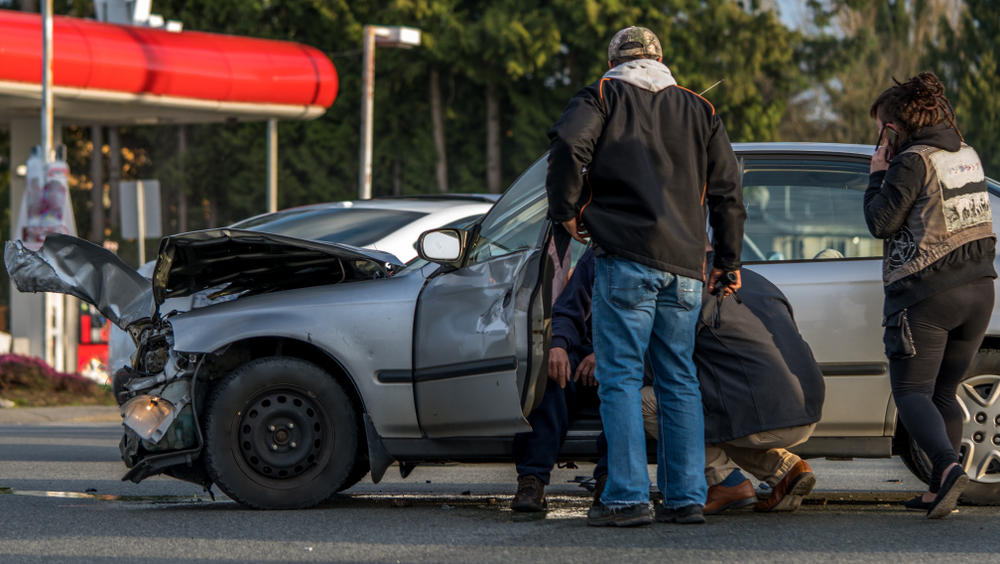
The driver who hit you may not be at fault at all if another vehicle shoved them forward. These chain-reaction crashes require careful investigation to identify the driver who started the sequence, and it is here that evidence and reconstruction matter most.
Talk to a lawyer first. Adjusters often use recorded statements to find words they can use to assign part of the blame to you. You are generally not required to give one to the other driver’s insurer.
A rear-end crash may seem straightforward, but proving fault is not always as simple as it looks. Insurance companies often look for ways to shift blame or reduce what they pay. Getting legal guidance early can help preserve evidence and protect the value of your claim.
Gina Corena & Associates offers free consultations to help you understand your options. Call us 24/7 at (702) 680-1111 in English or Spanish, or reach out through our contact page to discuss your options. Every case is different, and we are happy to look at the facts of yours.
Reviewed by Gina M. Corena, founding attorney at Gina Corena & Associates.

As founder of Gina Corena & Associates, she is dedicated to fighting for the rights of the people who suffer life-changing personal injuries in car, truck and motorcycle accidents as well as other types of personal injury. Gina feels fortunate to serve the Nevada community and hold wrongdoers accountable for their harm to her clients.