GET A FREE CONSULTATION
(702) 680-1111

Founding Member & Managing Partner at Gina Corena & Associates
Practice Areas: Personal Injury
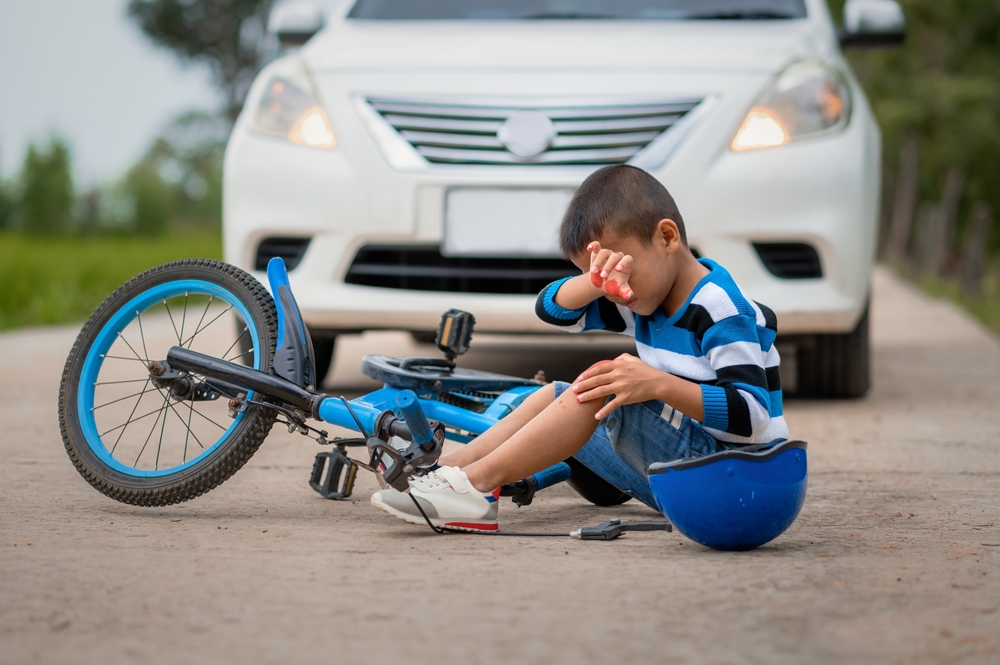
Seeing your child hurt in a car accident is overwhelming. Along with medical concerns, parents often have to deal with insurance questions and a legal process that works differently for minors.
If your child was injured in a Nevada car accident, the rules for filing a claim, handling settlements, and protecting compensation are different from those of a typical adult injury case. If you have questions about your own situation, a Las Vegas car accident injury lawyer can look at the facts and explain your options before you talk to any insurance company.
Every situation is different, but understanding the basics can help you make informed decisions after a serious accident. This guide explains what to do after a crash, who can bring a claim on behalf of a child, why court approval may be required for a minor’s settlement, and what compensation may be available.
Your child’s health comes first. Even if they seem okay after the accident, it is important to get medical care. Some injuries, including concussions or soft-tissue injuries, may not appear right away.
A medical evaluation creates a record of what happened and helps identify problems early. If symptoms appear later, follow-up care can also help connect the injury to the crash.
After getting medical help, report the accident to the police. A crash report can provide important details if you later file a claim. Nevada drivers generally must also file an SR-1 with the DMV within 10 days when a crash causes injury, death, or more than $750 in property damage.
If you are able, collect evidence from the scene, including:
Keep medical records, bills, and receipts together. These documents can help show the impact of your child’s injuries and support the claim.
If your child was in a car seat or booster during the crash, do not reuse it, even if it looks fine. Set it aside and keep it in the same condition after the accident.
The National Highway Traffic Safety Administration (NHTSA) recommends replacing car seats after certain crashes because hidden damage may affect how they protect your child.
The car seat may also become important evidence in your claim. If a defect or failure contributed to your child’s injuries, preserving the seat can help show what happened.

A child under 18 cannot file a lawsuit on their own. In Nevada, a parent, legal guardian, or a court-appointed representative must bring the claim on the child’s behalf.
This is one of the biggest differences between a child’s case and an adult’s. The adult acts on behalf of the minor throughout the process, from dealing with the insurance company to approving any settlement.
In some situations, the court appoints a guardian ad litem, a person whose role is to represent the child’s interests during the case and ensure any outcome truly serves the child.
Because a parent is standing in for the child, it helps to have someone in your corner who handles these claims regularly. An attorney can manage the paperwork, the insurer, and the court steps so you can focus on your child’s recovery.
Our Nevada car accident FAQs answer more of the questions families ask early on.
In Nevada, a settlement for an injured child generally has to be approved by a court before it becomes final. This applies whether or not a lawsuit was ever filed.
The process is often called a minor’s compromise, and it is governed by NRS 41.200. The idea is simple: a judge reviews the proposed settlement to confirm the amount is fair and that the money will be used for the child’s benefit. This protects children from being shortchanged and keeps the funds from being spent improperly.
As part of that review, the court may:
Skipping this step can delay or even jeopardize a settlement, so it is not something to handle casually. The court’s role is to ensure the money is available for your child when they need it.
Injured children and their families may be able to recover several types of compensation, depending on the case.
These can include:
The value of a child injury case depends on how serious the injuries are, how long recovery is expected to take, and how the crash affects the child’s growth and daily life. Long-term injuries that influence a child’s future tend to carry more weight. Because the stakes for a child can stretch for years, courts and attorneys treat these claims with extra care.
If another driver caused the crash, that driver’s liability insurance usually covers your child’s injuries. Nevada’s minimum liability limits are 25/50/20, which means coverage can run out quickly in a serious case. When the at-fault driver has no insurance or too little, your own uninsured and underinsured motorist coverage may step in.
Sometimes a child is hurt while riding with a relative or family friend who caused the crash. You can still file a claim through that person’s auto insurance without personally suing them.
You are not going after the individual; you are using the insurance that exists to cover exactly this kind of harm. That distinction can ease the worry of straining a close relationship.
An insurance claim may also not be your only path. If a defective car seat or restraint contributed to the injury, you may have a separate product liability claim against the manufacturer or distributor.

Nevada follows a rule called modified comparative negligence. Under NRS 41.141, an injured person can still recover as long as they are not more than 50% at fault, and their compensation is reduced by their share of fault. This rule applies differently to children.
Children under seven are generally presumed incapable of the kind of negligence that contributes to a crash or injury. For older children, a court may weigh the child’s age and maturity. In most crashes, it is the drivers, not child passengers, who are found responsible.
The outcome always depends on the specific facts, and past results never guarantee future ones.
Here is a simple picture of how a child’s injury claim usually moves forward in Nevada:
No. Children under 18 cannot file lawsuits on their own. A parent, legal guardian, or court-appointed representative must bring the injury claim on the child’s behalf.
A minor’s compromise is the court-approval process for settling a child’s injury claim under NRS 41.200. A judge reviews the settlement to confirm it is fair and that the money will be used for the child’s benefit before it becomes final.
A child may recover medical expenses, future treatment costs, rehabilitation, pain and suffering, emotional distress, and compensation for disruptions to their education or development. The amount depends on the severity and long-term impact of the injuries.
You can still file a claim through that driver’s auto insurance policy. You are not personally suing the person; you are using the insurance coverage that exists to pay for your child’s injuries.
Usually not. Courts often place settlement funds in a restricted account or structured trust that the child can access when they turn 18, or earlier if the court allows it.
When your child is hurt, you should not have to face the insurance company alone. At Gina Corena & Associates, we help Las Vegas families handle child injury claims with care, from the first call through any court approval a minor’s settlement may require.
The consultation is free, you pay no fee unless we win, and someone answers 24/7 in English and Spanish.
Call (702) 680-1111 or use our contact page.
Reviewed by Gina M. Corena, founding attorney at Gina Corena & Associates.

As founder of Gina Corena & Associates, she is dedicated to fighting for the rights of the people who suffer life-changing personal injuries in car, truck and motorcycle accidents as well as other types of personal injury. Gina feels fortunate to serve the Nevada community and hold wrongdoers accountable for their harm to her clients.