GET A FREE CONSULTATION
(702) 680-1111

Founding Member & Managing Partner at Gina Corena & Associates
Practice Areas: Personal Injury
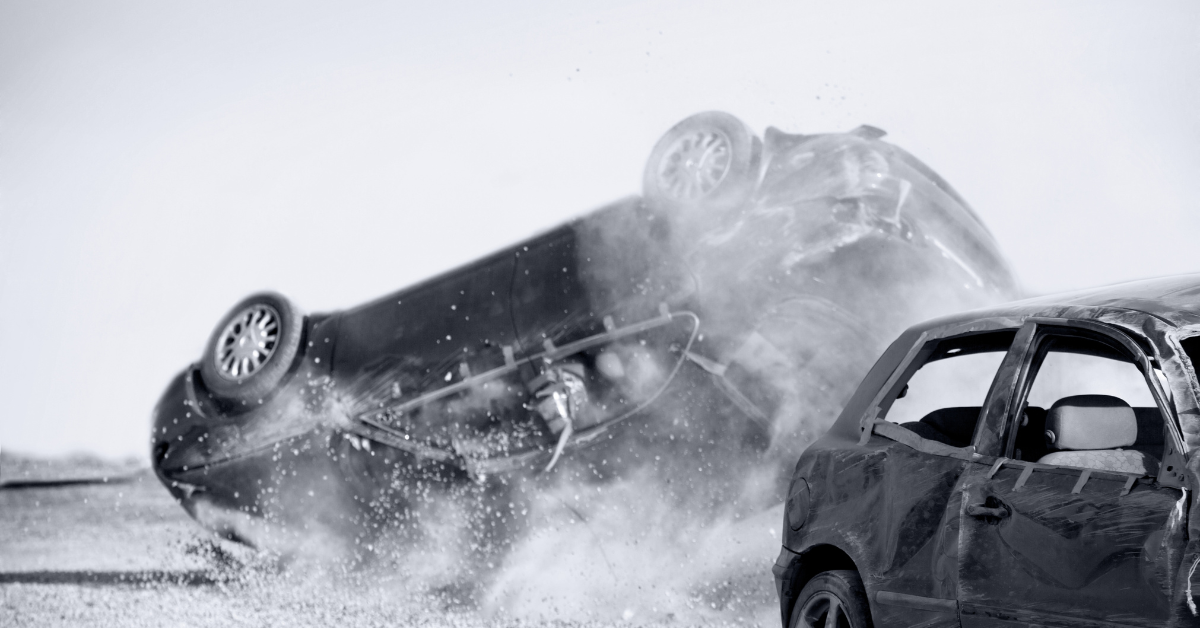
Car crashes happen every day across Nevada, from the packed freeways of Las Vegas to the long, open stretches of rural highway. The state’s mix of heavy tourist traffic, fast roads, and changing conditions creates plenty of chances for things to go wrong. Knowing the common causes of car accidents in Nevada can help you drive more carefully and, just as important, help you understand what happened if you are ever in a crash.
Below, we break down the causes we see most often, including speeding, distracted driving, impaired driving, and failure to yield. We also share practical tips for staying safe. If a careless driver has already hurt you, a Las Vegas auto collision attorney can review what happened and help you understand your rights before you deal with the insurance company.
Nevada is an at-fault state, which means the driver who caused the crash is generally responsible for the damage. Figuring out the cause is often the first step toward a fair claim.
Here are the leading reasons car accidents happen on Nevada roads
Speeding is one of the most common causes of serious car accidents in Nevada. The faster a vehicle is traveling, the less time the driver has to react and the greater the force of a crash.
Even a small increase in speed can make it harder to avoid a collision when traffic suddenly slows, a light changes, or someone steps into the road. Speeding is especially dangerous on Nevada’s rural highways, busy freeways, construction zones, and in poor weather conditions.
Speed doesn’t just increase the chance of a crash. It also increases the risk of severe injuries. According to the NHTSA, speeding is a factor in nearly one-third of fatal crashes nationwide.
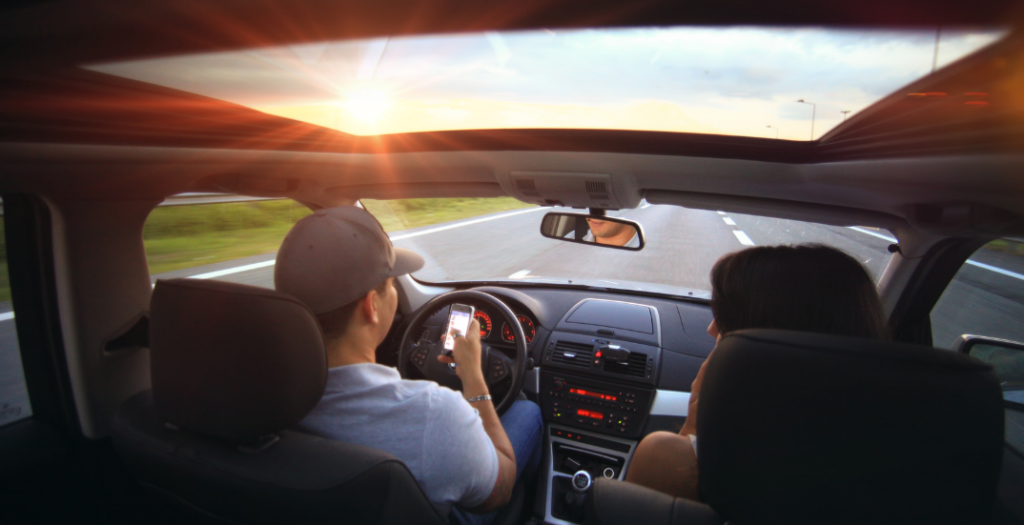
Distracted driving is a growing threat on Nevada roads, and it covers far more than just texting. Anything that pulls your eyes, hands, or attention away from driving counts.
Common distractions include:
Texting is especially dangerous because it takes your eyes, hands, and mind off the task all at once. Nevada law restricts handheld cell phone use while driving, yet many drivers still use them. Even hands-free systems can keep your focus off the road.
To learn what the law actually requires, see our guide to Nevada’s distracted driving laws.
Impaired driving remains one of the deadliest problems in Las Vegas and across Nevada. Alcohol, drugs, or a mix of both slow reaction time and impair judgment behind the wheel.
In a city built around nightlife and tourism, DUI crashes tend to climb on weekends and holidays. Driving under the influence is illegal in Nevada and carries serious penalties, including fines, license suspension, and jail time for repeat offenders. None of that undoes the harm to victims, though.
When a drunk or drugged driver causes a crash, an injured person may have a claim, and in egregious cases, Nevada law even allows punitive damages. If you were hit by an impaired driver, a Las Vegas drunk driving accident lawyer can explain your options.
Failure to yield is a common cause of crashes at intersections, highway entrances, and other places where drivers must give another vehicle the right of way.
These accidents often happen when a driver turns left across traffic, pulls into an intersection too soon, or merges without waiting for a safe opening. The result is often a side-impact or T-bone collision, which can cause serious injuries because the sides of a vehicle provide less protection than the front or rear.
Failure-to-yield crashes are a leading cause of fatal intersection accidents. Understanding and following right-of-way rules can help prevent these collisions. Our overview of how T-bone accidents affect victims delves deeper into these collisions.
Aggressive driving includes behaviors like tailgating, weaving between lanes, speeding, and road rage. These actions increase the risk of losing control or causing a collision, especially in heavy traffic.
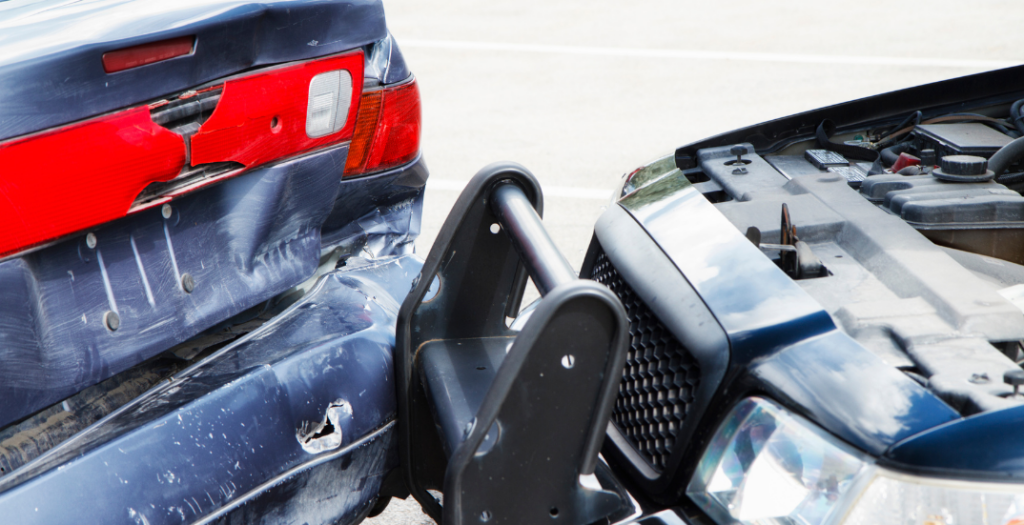
Following too closely is one of the most common causes of rear-end crashes. When the vehicle ahead stops suddenly, a driver who leaves too little space often does not have enough time to avoid a collision.
One of the best ways to reduce the risk is to leave a safe following distance. A good rule is to keep at least a two-second gap between your vehicle and the one ahead, and increase that distance in bad weather, heavy traffic, or when following large trucks. If you are rear-ended, a rear-end car accident lawyer in Las Vegas can help you sort out fault.
Not every crash comes down to one careless driver. Road and weather conditions play a part, too.
Nevada drivers deal with high desert winds, sudden rain on roads that rarely see it, glare from the sun, and construction zones that change traffic patterns overnight. Worn pavement, poor lighting, and missing signage can also contribute.
Slowing down and increasing your following distance when conditions are bad gives you more room to react. When a crash involves several vehicles, sorting out who is responsible gets complicated, and our guide to liability in multi-car accidents in Las Vegas can help you understand how that works.
Most of these causes are preventable. A few habits go a long way:
No driver can control everyone else on the road, but careful habits lower your risk and can keep a bad day from becoming a tragedy.
If you are in a collision, your safety comes first. Once you are able, there are a few steps you can take to protect both your health and any future claim.
After a crash, dealing with insurance companies can feel overwhelming, and insurers often work to limit what they pay. Knowing the tactics insurance companies use to reduce settlements can help you avoid common traps.
The most common causes include speeding, distracted driving, impaired driving, failure to yield, aggressive driving, and poor road or weather conditions. Many of these come down to choices a driver could have avoided.
Yes. Nevada is an at-fault, or tort, state. The driver who caused the crash is generally responsible for the resulting damage, and you can pursue a claim against that driver’s insurance.
For most personal-injury car accident claims, Nevada’s statute of limitations is generally two years from the date of the crash. Deadlines can vary depending on the situation, so it is wise to confirm yours with an attorney as soon as possible.
Under Nevada’s modified comparative negligence rule, you can still recover compensation as long as you are not more than 50% at fault. Your recovery is reduced by your share of the blame, and at 51% or more, you cannot recover.
Yes. Some injuries, like concussions and soft-tissue damage, do not show symptoms right away. A prompt medical check protects your health and creates a record that supports any claim you decide to file.
Understanding what caused a car accident is an important step in determining who may be responsible. If another driver’s negligence led to your injuries, you may have the right to seek compensation under Nevada law.
At Gina Corena & Associates, we help people throughout Las Vegas investigate accidents, deal with insurance companies, and pursue the compensation they deserve. We offer free consultations, and you pay no fee unless we recover compensation for you.
Call (702) 680-1111 or use our contact page to talk about what happened.
Reviewed by Gina M. Corena, founding attorney at Gina Corena & Associates.

As founder of Gina Corena & Associates, she is dedicated to fighting for the rights of the people who suffer life-changing personal injuries in car, truck and motorcycle accidents as well as other types of personal injury. Gina feels fortunate to serve the Nevada community and hold wrongdoers accountable for their harm to her clients.