GET A FREE CONSULTATION
(702) 680-1111

Founding Member & Managing Partner at Gina Corena & Associates
Practice Areas: Personal Injury

After a car accident, having evidence matters. You may know the other driver was speeding, distracted, or caused the crash, but an insurance company will look for proof before accepting responsibility.
The strongest evidence is often collected soon after the accident. Photos, videos, witness details, and other records can become harder to find over time. Skid marks disappear, camera footage may be deleted, and memories can change.
If you were injured in an accident, a Las Vegas automobile accident lawyer can help identify important evidence, preserve it, and build a claim based on the facts.
This guide walks through the evidence for a strong car accident case in Nevada, what to collect at the scene, and how that proof translates into the compensation you deserve.
A strong car accident claim is usually built from several pieces of evidence, not just one. Police reports, photos, videos, medical records, witness statements, and vehicle damage can all help show what happened and how the crash affected you.
The more evidence you preserve, the harder it becomes for an insurance company to question fault or minimize your injuries.
Here is how each type of evidence can support your claim.
A crash report is often one of the first pieces of evidence reviewed after an accident. It may include driver statements, road conditions, weather details, vehicle information, and the officer’s observations from the scene.
Insurance companies often review this report when assessing fault. While it is not the only evidence that matters, errors or missing details can affect how your claim is viewed.
In Nevada, drivers generally must file an SR-1 with the DMV within 10 days when a crash causes injury, death, or more than $750 in property damage. Getting a copy of the report and checking it for mistakes can help protect your claim.
Our guide to reporting a car accident in Nevada explains how that works and why getting the report right matters.

Pictures capture facts that memory can’t. If you are physically able, take wide shots and close-ups of everything. The vehicles, the damage, the position of the cars, traffic signals, skid marks, debris, road conditions, and your own visible injuries all tell part of the story.
Photos are powerful because they freeze the scene before anything is moved or cleaned up. They can show how far a car traveled after impact, whether a light was red, or that the road was slick. Take more than you think you need, and back them up so they aren’t lost.
If you couldn’t take photos at the scene, that’s okay. There are often other sources of footage, which we cover next.
Video from a dashcam can be some of the clearest evidence in a case. A camera doesn’t forget, exaggerate, or take sides. It can show speed, following distance, a sudden lane change, or a driver running a light, often settling a fault dispute on its own.
If you have a dashcam, save the relevant clip right away so the device doesn’t record over it. If you don’t, the other driver, a nearby vehicle, or a rideshare car might. Our overview of dashcam footage as evidence in Nevada accident claims explains how this video is used and why preserving it promptly is so important.
Beyond dashcams, many crashes are caught on cameras you might not think about. Businesses, gas stations, ATMs, parking lots, homes with doorbell cameras, and intersection traffic cameras often capture the moments before and during a collision.
The challenge is timing. Much of this footage is automatically erased within days or weeks. A lawyer can quickly send a preservation letter to a business or agency, asking them to hold the video before it’s gone.
Learn more about the role of surveillance footage in accident claims and how it can support your version of events.
Your medical records do two jobs. They prove that you were injured, and they connect those injuries to the crash. Without that link, an insurer may argue your pain came from something else.
This is why prompt medical care is so important. See a doctor even if you feel okay, because some injuries, like concussions, whiplash, and back problems, are delayed and show up days after the crash. A gap between the accident and your first visit gives the insurance company room to question your claim.
Keep everything: emergency room records, imaging, treatment notes, therapy records, prescriptions, and bills. These documents support both the existence of your injuries and the value of your economic damages.
Independent witnesses can be important when drivers disagree about what happened. A person who witnessed the crash may help confirm details such as who had the right of way, whether a driver was speeding, or what happened before the impact.
Get contact information from witnesses at the scene if possible. Details are easier to verify when statements are collected soon after the accident.

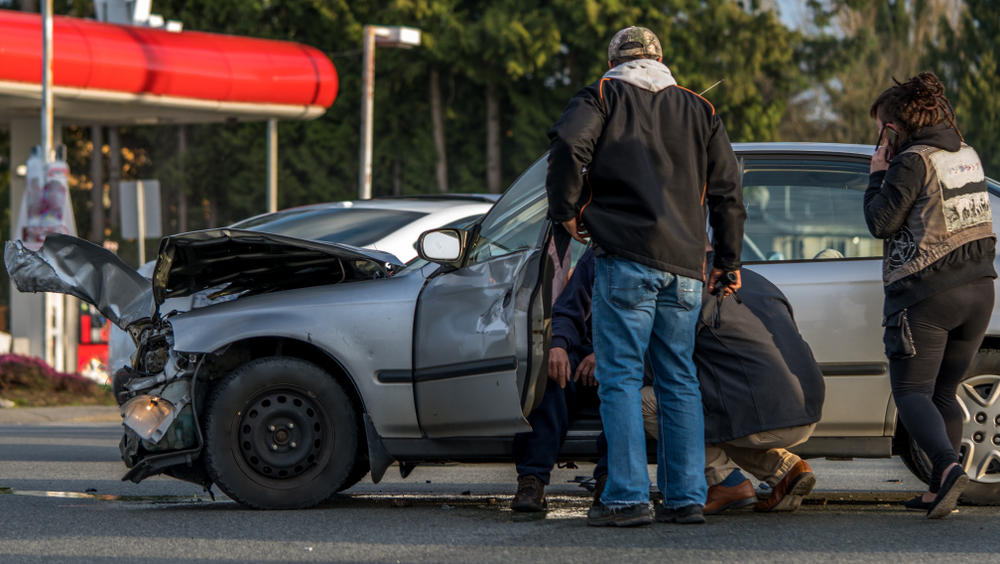
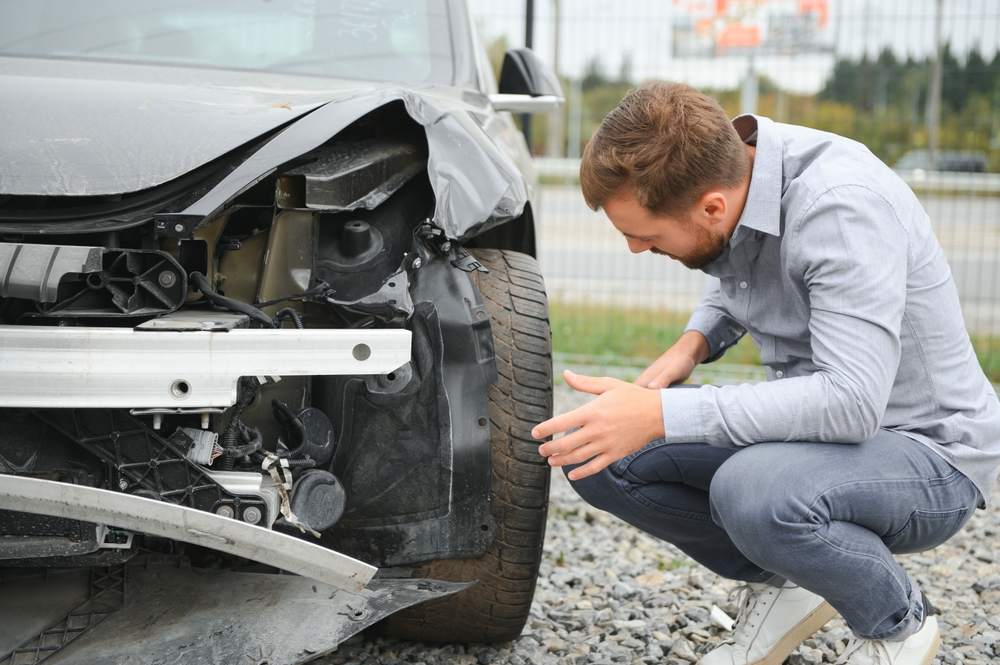
The cars themselves are evidence. The location, depth, and angle of the damage can confirm how a crash happened and who was where. In a side-impact crash, for example, the point of contact can show which driver entered the intersection unsafely.
The location of the damage often indicates how a crash occurred, which is why it helps to photograph both vehicles before repairs. In more complex cases, accident reconstruction experts use this physical evidence, along with skid marks and vehicle data, to recreate the collision and explain it clearly.
Strong evidence does two things. It establishes that the other driver was at fault, and it proves the full extent of your losses. Both matter under Nevada law.
Nevada is an at-fault state that uses modified comparative negligence (NRS 41.141). You can still recover even if you were partly to blame, as long as you were not more than 50% at fault, but your award is reduced by your share of fault.
Solid evidence helps you push back when an insurer tries to assign you a higher percentage of blame than you deserve. It also supports the value of your economic damages, such as medical bills and lost wages, and your non-economic damages, such as pain and suffering.
Insurance companies are skilled at finding gaps. Knowing the settlement tactics insurers use to pay you less is part of why having organized, well-preserved evidence puts you in a stronger position from the start.
Remember that Nevada generally gives you two years from the date of the crash to file a personal-injury lawsuit (NRS 11.190). Gathering evidence early protects both your case and your deadline.
The key evidence depends on the crash, but police reports, photos, videos, and medical records are often the most important. Dashcam footage, surveillance video, and witness statements can be critical when fault is disputed.
As soon as it’s safe, ideally at the scene. Photos, witness contact information, and details are easiest to capture right away. Some evidence, like surveillance video, can be erased within days, so acting quickly or having a lawyer send a preservation letter is important.
You may still have a strong case. There are often other sources, including the police report, dashcam footage from other vehicles, surveillance and traffic cameras, witness accounts, and the vehicle damage itself. A lawyer can help track down evidence you couldn’t gather yourself.
Yes. Cameras from nearby businesses, homes, and intersections can capture a crash and help show what happened. The problem is that many systems automatically overwrite footage, so requesting it quickly can make the difference.
Not for the basics like scene photos, but a lawyer can preserve evidence that’s about to disappear, obtain records, and work with experts when needed. Most personal-injury firms, including ours, offer a free consultation, so there’s no cost to learn what evidence your case needs.
Important evidence can disappear quickly after a crash. Photos, reports, video footage, and other records can make a major difference when proving what happened and who was responsible.
At Gina Corena & Associates, we help injured clients gather the evidence needed to support their claims, communicate with insurance companies, and understand their legal options. Every case is different, and we can review the details of your crash to explain what may apply.
Call us anytime at (702) 680-1111 for a free consultation, answered 24/7 in English and Spanish. There’s no fee unless we win your case. You can also reach out through our contact page to get started.
Reviewed by Gina M. Corena, founding attorney at Gina Corena & Associates.

As founder of Gina Corena & Associates, she is dedicated to fighting for the rights of the people who suffer life-changing personal injuries in car, truck and motorcycle accidents as well as other types of personal injury. Gina feels fortunate to serve the Nevada community and hold wrongdoers accountable for their harm to her clients.